Explore World Metal
Featured Album
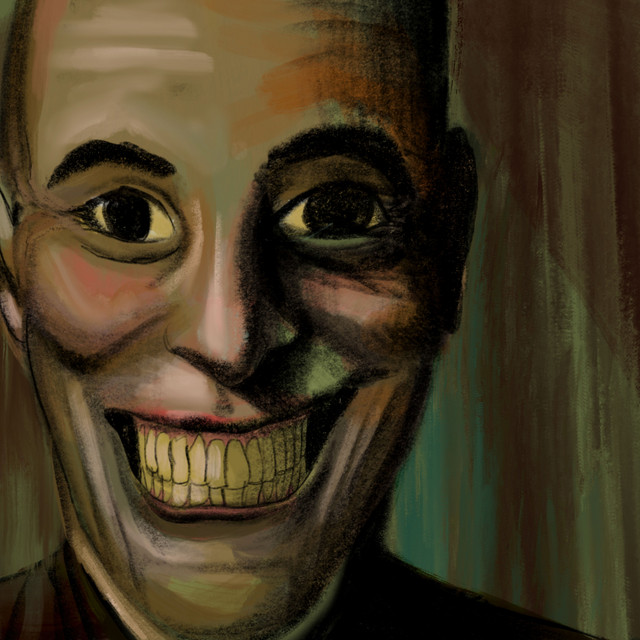
People Watching (2024)
Featured Groove Metal Album
Evidence (2023)
Featured Artist with an Upcoming Show
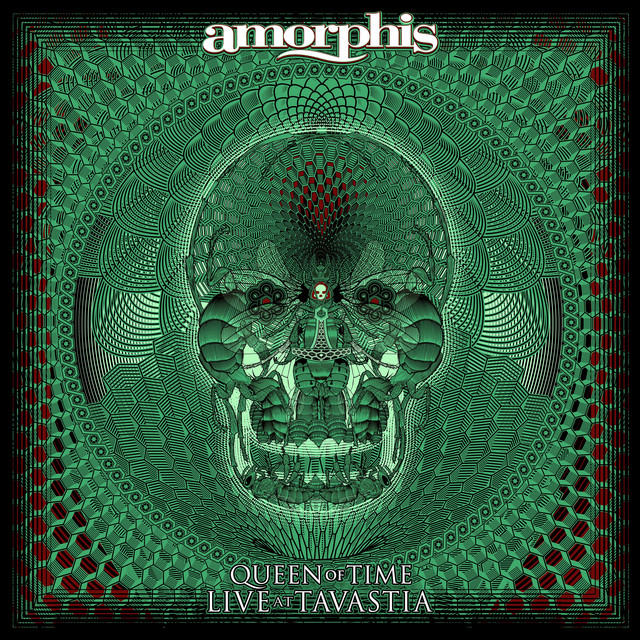
Featured Heavy Metal Album
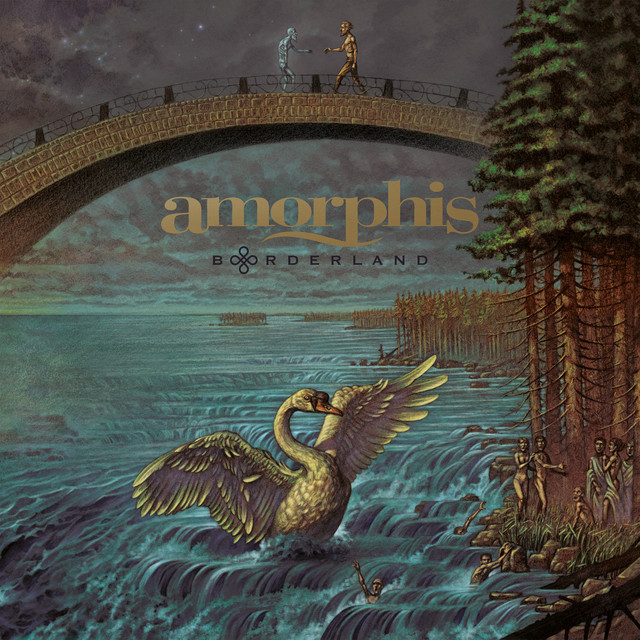
Borderland (2025)
Featured Artist with an Upcoming Show
Browse World Metal Bands
25 bands found
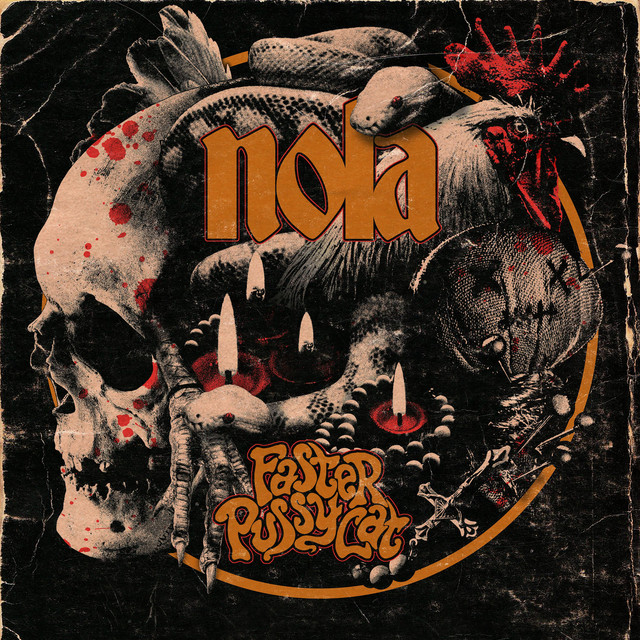
Faster Pussycat formed in Los Angeles in 1985 and became one of the defining sleaze-rock bands of the Sunset Strip era. Led by Taime Downe, the band mixed glam metal flash with punky looseness, Aerosmith-style swagger, and a grimier street-level personality than many of their hair-metal peers. Their 1987 self-titled debut introduced staples such as "Bathroom Wall," "Don't Change That Song," "Cathouse," and "Babylon," songs that turned Hollywood decadence into short, rowdy hard-rock hooks. Wake Me When It's Over brought wider attention in 1989, especially through "House of Pain," while still keeping the band's rougher rock-and-roll instincts intact. Whipped! arrived as the commercial climate around glam metal was collapsing, but it showed a band willing to get stranger, heavier, and less polished. Later lineups continued under Downe's direction, bringing industrial and electro-rock touches into the sound while keeping the Faster Pussycat name tied to excess, grit, and nightclub chaos. Their catalog remains a document of Los Angeles rock at its most reckless and unvarnished.
Great White are a Los Angeles hard rock band whose best-known work brought bluesy swagger into the glam metal era without losing a bar-band sense of grit. Formed in 1977 around guitarist Mark Kendall and vocalist Jack Russell, the group moved through local club years before breaking nationally with Once Bitten and ...Twice Shy. Songs such as "Rock Me," "Save Your Love," "The Angel Song," and the Ian Hunter cover "Once Bitten, Twice Shy" made the band a major presence on late-1980s rock radio and MTV. Great White's music is less theatrical than some Sunset Strip peers, leaning instead on slide-touched guitar phrasing, hard-swinging rhythms, and Russell's raspy, blues-informed vocal style. The band fits hard rock and metal-adjacent scope through a catalog rooted in heavy guitars, arena choruses, and glam-era production, but their personality often comes from older blues rock instincts. Their history also carries tragedy and complicated lineup splits, yet the core musical identity remains clear. At their strongest, Great White sounded like a club-tested rock band scaled up for arenas, built around riffs, smoke, and a singer who could make polished songs feel weathered.
Guns N' Roses detonated onto the Sunset Strip in the late 1980s and became the most dangerous band in the world, with 'Appetite for Destruction' selling over 30 million copies and producing immortal tracks like 'Welcome to the Jungle,' 'Sweet Child O' Mine,' and 'Paradise City.' Axl Rose's volatile charisma, Slash's iconic guitar tone, and Duff McKagan's punk-rooted bass formed a volatile chemistry that redefined hard rock and continues to fill stadiums worldwide.
Heavy Pettin' are a Glasgow heavy metal and hard rock band that emerged during the early 1980s with a glossy, hook-driven take on British melodic metal. Formed in 1981, the group arrived after the first explosion of the New Wave of British Heavy Metal but shared that era's appetite for sharp guitars, powerful vocals, and road-tested energy. Their debut album Lettin Loose put them in conversation with bands such as Def Leppard, UFO, and early Bon Jovi, using big choruses and twin-guitar flash without abandoning a rougher club-band foundation. Heavy Pettin' fit metal and hard rock scope through riff-based songwriting, high-register vocals, and a sound designed for loud stages rather than pop polish alone. Later releases pushed further toward commercial hard rock, but the band's best work keeps the spark of early British metal in its guitar attack and urgent tempos. They never became as globally dominant as some peers, yet their name remains familiar to fans of melodic hard rock, NWOBHM-adjacent records, and Scottish heavy music history. Heavy Pettin' are a reminder that the era's underground was wider and more regionally varied than the handful of arena names that usually define it.
Helix are a Canadian hard rock and heavy metal band whose history reaches back to 1974, when they began as the Helix Field Band before tightening into the louder, more direct act associated with Brian Vollmer. The group's 1980s run made them a durable name in Canadian heavy rock, especially through No Rest for the Wicked, Walkin' the Razor's Edge, and Long Way to Heaven. Songs such as "Heavy Metal Love," "Rock You," and "Deep Cuts the Knife" show the band's strengths clearly: big gang choruses, punchy guitar riffs, a party-ready sense of movement, and Vollmer's high, gritty voice. Helix were never as dark as some metal peers, but they carried enough riff weight and road-dog volume to belong in the heavy metal and glam-metal continuum. Their long career also matters because the band kept recording and touring through lineup changes, regional shifts, and changing tastes. At their best, Helix sound like working-class arena rock with denim, sweat, and a simple belief that a chorus should hit like a shouted order.
John Corabi is an American hard rock singer and guitarist from Philadelphia whose career has made him one of the more respected journeymen in heavy rock. After fronting The Scream, he became the lead vocalist for Motley Crue during Vince Neil's absence, singing on the band's 1994 self-titled album, a heavier and more brooding record than many expected from that catalog. Corabi later worked with Union, Ratt, Brides of Destruction, The Dead Daisies, ESP, and solo material, building a long resume rooted in hard rock, glam metal, and bluesy heavy music. He fits hard rock and metal scope through both his voice and his writing history: his delivery is raspy but controlled, capable of gritty arena choruses, acoustic storytelling, and heavier guitar-led material. Corabi's career has often been shaped by difficult timing, lineup changes, and bands with complicated histories, but that has also made him a durable figure among fans who value craft over celebrity. His best work shows a singer who can bring soul and weight to riff-based rock without sounding theatrical for its own sake. John Corabi remains compelling because he treats hard rock as a working musician's language, not just a period style.
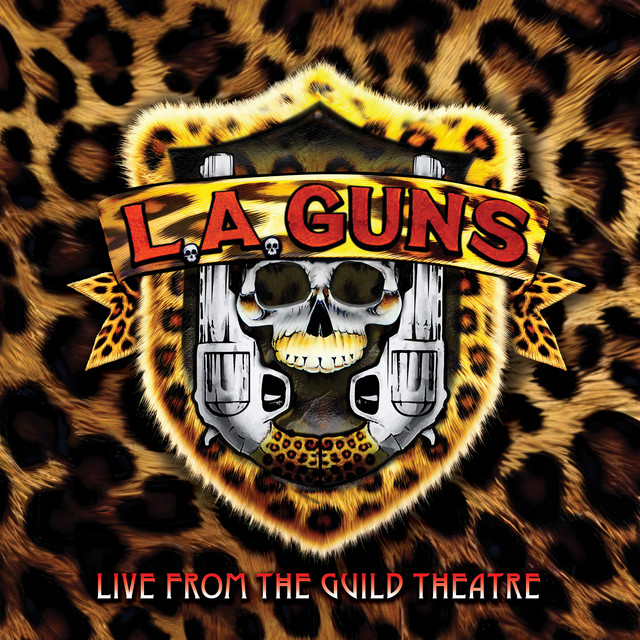
L.A. Guns formed in Los Angeles in 1983 around guitarist Tracii Guns and became one of the key bands connected to the city's glam metal and sleaze rock boom. The group's early history is famously tangled with Hollywood Rose and the formation of Guns N' Roses, but L.A. Guns soon developed its own identity through gritty riffs, club-scene swagger, and a streetwise version of Sunset Strip hard rock. After singer Phil Lewis joined, the band released its self-titled debut in 1988, followed by Cocked & Loaded in 1989, which produced enduring songs such as "The Ballad of Jayne," "Never Enough," and "Rip and Tear." The band's sound sat between polished glam metal and rougher blues-based hard rock, giving its best material a tougher edge than many of its peers. Lineup changes and competing versions of the name complicated later decades, but the Tracii Guns and Phil Lewis partnership remained the most recognized creative center. Recent albums have kept the band active with new material that leans into its classic guitar-heavy identity.
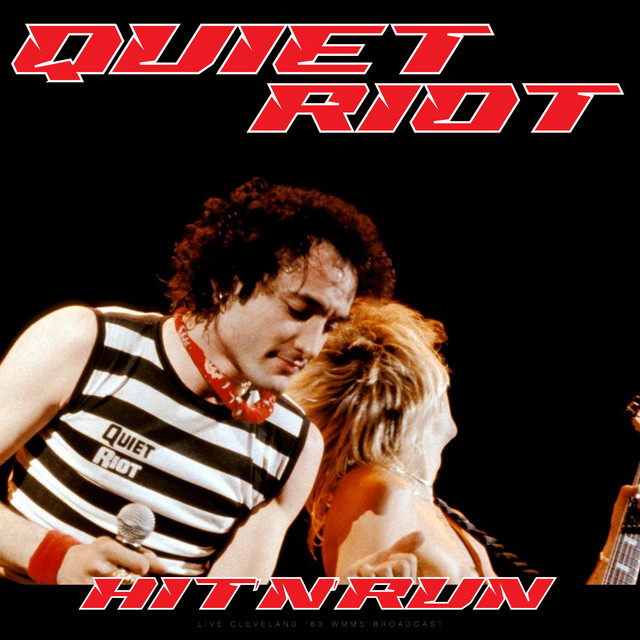
Quiet Riot formed in Los Angeles in the 1970s and became one of the first American heavy metal bands to break through the pop album chart in a massive way. The early Randy Rhoads era matters historically, but the band's defining commercial moment came with Metal Health in 1983, where Kevin DuBrow's brash vocals, Carlos Cavazo's guitar, Rudy Sarzo's bass presence, and Frankie Banali's drums turned hard rock into arena metal spectacle. "Cum On Feel the Noize" and "Metal Health" made the band synonymous with the MTV-era explosion of glam and pop metal, but the catalog also includes heavier, rougher material that shows the group's debt to 1970s hard rock. Later years brought major lineup changes and the loss of core members, yet the name continued touring as a legacy act tied to a specific moment when heavy metal became mainstream entertainment in the United States. Quiet Riot's best-known music is simple, loud, and built around crowd response, but its historical weight is substantial: it helped open commercial doors for an entire wave of 1980s metal.
South of Salem are a Bournemouth hard rock band whose music blends heavy metal riffs, sleaze-rock swagger, horror imagery, and large, hook-driven choruses. Formed in 2018 by musicians who had already spent years in the UK rock circuit, the band made its recorded debut with The Sinner Takes It All in 2020 and followed with Death of the Party in 2024. Their sound is built for immediacy: thick guitars, driving drums, theatrical vocals, and a taste for dark glamour that nods toward 1980s hard rock without feeling trapped there. Songs such as Cold Day in Hell, Left for Dead, Jet Black Eyes, Vultures, and Static show a band comfortable with both club-sized grit and festival-sized choruses. South of Salem's horror flavor is part of the appeal, but the music works because the hooks are sturdy and the playing is direct. The band sits in a modern British hard rock lane where metal, glam, and alternative radio energy overlap. Their importance comes from craft and momentum. South of Salem know that a good hard rock song needs drama, but they also know it needs a riff that gets to the point.
Enter the Inferno
View all threads →Frequently asked questions
World Metal Index indexes hundreds of global heavy metal bands across every subgenre — death metal, black metal, thrash metal, doom metal, metalcore, hardcore punk, grindcore, sludge, stoner metal, and more. Browse heavy metal bands by genre, city, or state.
Yes — browse global death metal bands in our index. Filter by genre to find death metal, technical death metal, and melodic death metal bands. We also index black metal, thrash metal, doom metal, and all heavy metal bands.
Use the genre filter to browse global black metal bands. We index black metal, atmospheric black metal, and related subgenres alongside death metal, thrash metal, doom metal, and all heavy metal bands.
Browse our index for global thrash metal bands. Filter by genre to discover thrash metal, crossover thrash, and speed metal bands. Our index covers all heavy metal bands including death metal, black metal, doom, and metalcore.
Yes — we index metalcore bands, doom metal bands, and every heavy metal subgenre. Browse global metalcore, doom metal, sludge metal, stoner metal, progressive metal, power metal, and more.
Yes — browse global hardcore punk bands alongside heavy metal bands. We cover hardcore punk, crust punk, D-beat, grindcore, metalcore, and all heavy music subgenres.
Filter by city and state to find heavy metal bands near you. Each band page includes streaming links, genre tags, and upcoming metal concerts. Discover death metal, black metal, thrash, doom, and all heavy metal bands in your area.
Visit our shows page for global metal concerts — death metal shows, black metal concerts, thrash metal shows, doom concerts, and all heavy metal events. Updated daily with ticket links from Ticketmaster and SeatGeek.
World Metal Index is an index of global heavy metal bands — death metal, black metal, thrash metal, doom metal, metalcore, hardcore punk, and all heavy music. Browse bands by genre, find metal concerts near you, and discover the global metal scene.