Explore World Metal
Featured Album
Don't Hold Your Breath (2021)
Featured Heavy Metal Album
Borderland (2025)
Featured Artist with an Upcoming Show
Featured Power Metal Album
Cold Dreams (2024)
Featured Artist with an Upcoming Show
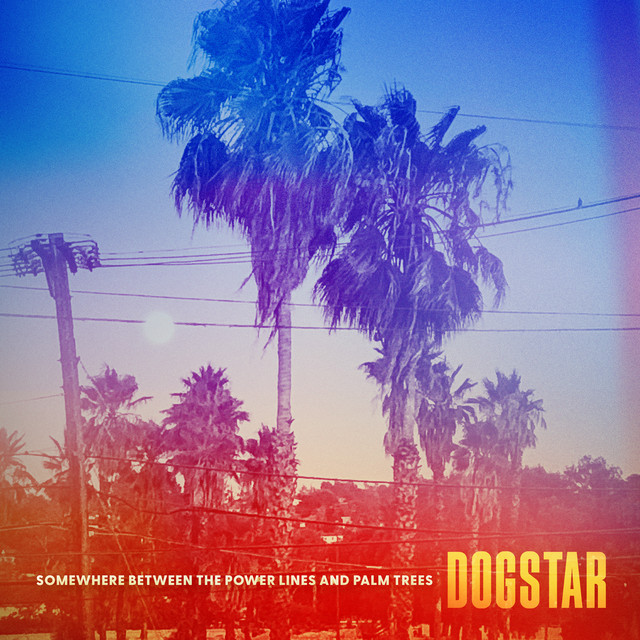
Somewhere Between the Power Lines and Palm Trees (2023)
08/27 @ The Factory STL, Chesterfield
Browse World Metal Bands
197 bands found
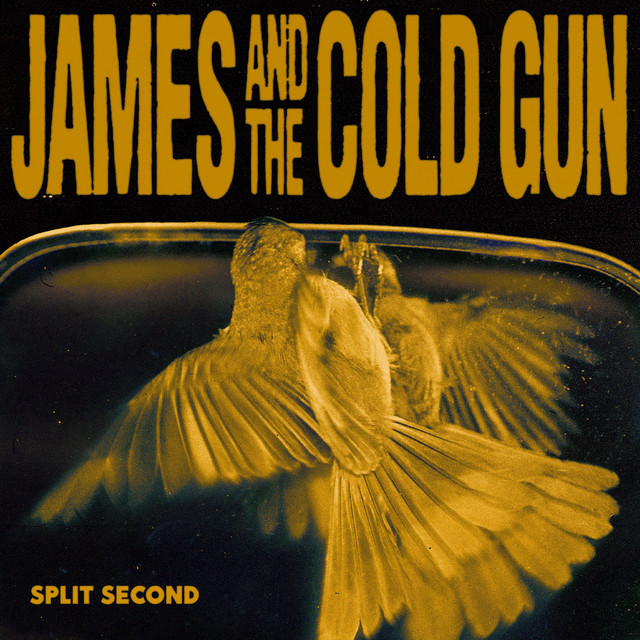
James and the Cold Gun play guitar rock with the immediacy of a garage band and the muscle of post-grunge. Built around James Joseph and James Biss, the project grew from loud, self-recorded ideas into a full live band known for direct riffs, rough-edged hooks, and songs that waste little time getting to impact. "Long Way Home" helped open a wider path for the band, and the False Start EP and self-titled debut preserved the sense of a band making noise in the room rather than polishing away every scar. Their sound nods to early-2000s guitar rock, punk 'n' roll, Queens of the Stone Age grit, and the heavier side of alternative radio without becoming a nostalgia exercise. The vocals are melodic but shouted hard enough to keep the choruses raw, while the guitars favor fuzz, attack, and forward motion. James and the Cold Gun are at their best when the songs feel like compact collisions: loud, catchy, sweaty, and built for a low ceiling.
Jimmy H Doolittle brings a raw, unfiltered approach to heavy rock that draws from the intersection of hard rock and punk energy. The project delivers riff-driven, no-nonsense heavy music with a DIY ethos that prioritizes visceral impact over polish.
Jiva was a Los Angeles rock group active during the mid-1970s, built around Michael Lanning, Thomas Hilton, James Strauss, and Michael Reed. The band grew out of earlier school-age and club-band activity before settling into the Jiva identity in Los Angeles, where its members developed a warm, guitar-based sound that sat between hard rock, funk rock, soul, and West Coast soft rock. Their self-titled album appeared in 1975 and featured "Something's Goin' On Inside L.A.," "The Closer I Get," "Love Is a Treasure," "Hey Brother," and "All Is Well." The record was produced with a polished, studio-minded approach, adding keyboards and layered vocals to a traditional bass, drums, and two-guitar lineup. Jiva's history is also tied to the spiritual and musical circles around George Harrison, whose interest helped bring the band to a larger label platform. Although their recorded output remained limited and did not become a commercial breakthrough, Jiva's album has remained a period document of 1970s Los Angeles rock shaped by melodic guitar writing, group vocals, and a reflective, spiritually inflected tone.
JJ Wilde is a Canadian rock singer-songwriter from Kitchener, Ontario whose music brings hard rock grit, bluesy vocal force, and modern alternative production into a direct, hook-driven form. After years of writing, working jobs, and trying to build a career, she broke through with the 2019 EP Wilde Eyes, Steady Hands and the album Ruthless, a record powered by songs such as "The Rush" and "Best Boy." Wilde fits hard rock scope through distorted guitars, muscular choruses, and a vocal style that carries rasp, attitude, and emotional control. Her music often frames independence, exhaustion, desire, anger, and survival through sharp melodic writing rather than extended instrumental display. That makes the songs accessible without making them soft. The guitars are punchy, the drums are built for live impact, and the production leaves room for her voice to remain the central force. Later material, including Vices, expanded the personal range while keeping the rock foundation intact. JJ Wilde stands out because she sounds like a performer shaped by both classic rock singers and contemporary alternative radio, using familiar tools with enough bite and personality to make them feel lived in.
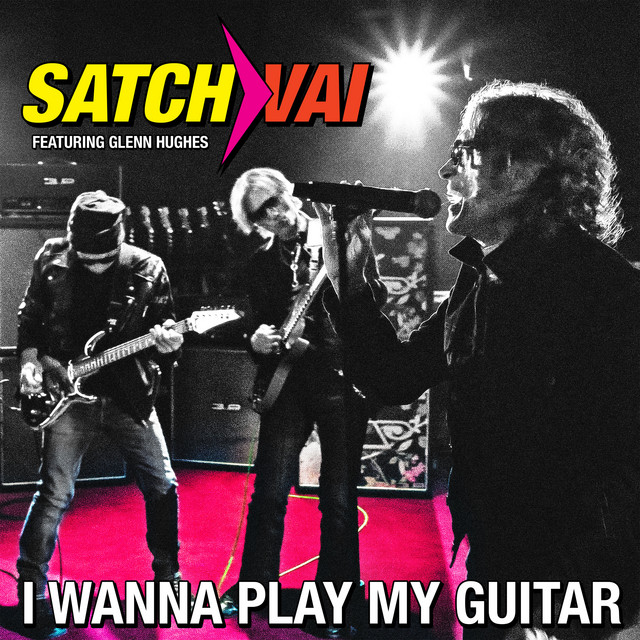
Joe Satriani turned instrumental guitar music into approachable rock songwriting without sanding away the virtuosity. His breakthrough with Surfing with the Alien made the electric guitar function like a lead singer, carrying memorable melodies through legato runs, whammy-bar color, tapped figures, and high-speed phrases that still resolve into clear hooks. Pieces such as "Satch Boogie" and "Always with Me, Always with You" show the range of his approach: one side bluesy, rhythmic, and playful, the other lyrical and almost vocal in its phrasing. Satriani's influence also runs through his teaching, with future players from major metal, thrash, and rock bands absorbing his emphasis on control, melody, and tone. G3, Chickenfoot, and later collaborations with Steve Vai placed him in band and showcase settings, but his defining achievement remains the solo catalog's balance of flash and accessibility. The playing is technical enough to challenge guitarists, yet the songs usually move with the clarity and momentum of hard rock.
John Corabi is an American hard rock singer and guitarist from Philadelphia whose career has made him one of the more respected journeymen in heavy rock. After fronting The Scream, he became the lead vocalist for Motley Crue during Vince Neil's absence, singing on the band's 1994 self-titled album, a heavier and more brooding record than many expected from that catalog. Corabi later worked with Union, Ratt, Brides of Destruction, The Dead Daisies, ESP, and solo material, building a long resume rooted in hard rock, glam metal, and bluesy heavy music. He fits hard rock and metal scope through both his voice and his writing history: his delivery is raspy but controlled, capable of gritty arena choruses, acoustic storytelling, and heavier guitar-led material. Corabi's career has often been shaped by difficult timing, lineup changes, and bands with complicated histories, but that has also made him a durable figure among fans who value craft over celebrity. His best work shows a singer who can bring soul and weight to riff-based rock without sounding theatrical for its own sake. John Corabi remains compelling because he treats hard rock as a working musician's language, not just a period style.
Josey Scott is best known as the original vocalist of Saliva, whose raw, southern-fried vocals drove the band's biggest hits including 'Click Click Boom' and the Grammy-nominated Spider-Man soundtrack collaboration 'Hero' with Chad Kroeger. After departing Saliva in 2011 following 15 years with the band, Scott embarked on a solo career that reconnects with his hard rock roots while exploring new creative territory. His current solo project performs both Saliva classics and new material that showcases his powerful, versatile voice.
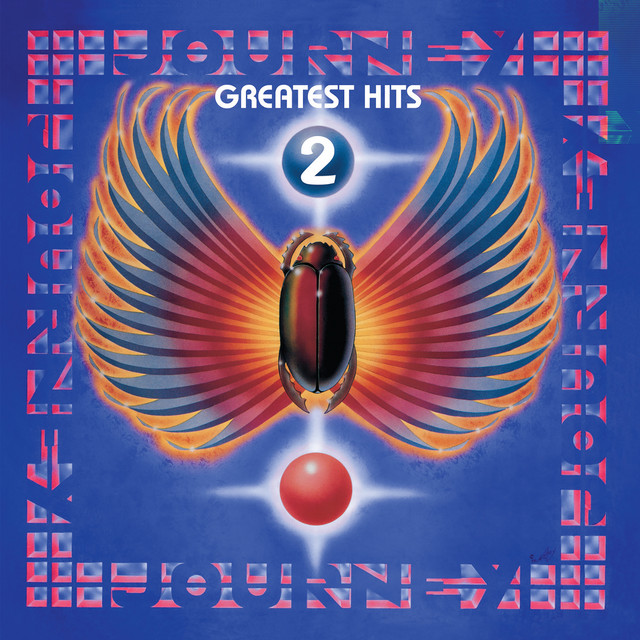
Journey formed in San Francisco in 1973 around Neal Schon and Gregg Rolie after their work in Santana, first moving through jazz-leaning progressive rock before becoming one of the defining arena rock bands of the late 1970s and 1980s. The group's early albums built a reputation for instrumental power and melodic ambition, but the arrival of Steve Perry shifted the band toward a more vocal-driven sound. Albums such as Infinity, Evolution, Departure, Escape, and Frontiers turned Journey into a stadium-level act, pairing Schon's guitar work with Perry's high, dramatic voice and Jonathan Cain's polished keyboard writing. Songs including "Lights," "Wheel in the Sky," "Any Way You Want It," "Separate Ways," "Open Arms," and "Don't Stop Believin'" became central to the band's identity. After periods of inactivity and lineup changes, Journey returned with new singers and continued touring heavily, keeping its catalog active for new generations while remaining rooted in big hooks, soaring choruses, and cleanly produced hard rock.

Kami Kehoe is a modern alternative rock artist whose music moves between hard-rock impact, emo-pop immediacy, and heavier alternative-metal textures. Her first broad streaming attention came through songs such as "SLEEP WHEN IM DEAD," "DOPAMINE," "DIE 4 U," and "FADE OUT," which frame big choruses with distorted guitars, electronic polish, and vocal melodies built for direct emotional contact. REVIVED and later singles show a project shaped by current rock playlists rather than a single old scene: the songs can lean toward pop punk's brightness, nu-metal-adjacent low-end, or dark pop drama, but they keep a guitar-forward core. Kehoe's appeal comes from the way she presents vulnerability as volume, turning self-doubt, obsession, exhaustion, and defiance into concise hooks. The music is not traditional metal, yet it qualifies as metal-adjacent hard rock because the production uses heavy guitars and impact-driven arrangements as more than background color. Her young catalog is still forming, but its identity is already clear: polished, emotionally blunt alternative rock with enough edge to sit beside modern heavy acts for heavy playlists.
Enter the Inferno
View all threads →Frequently asked questions
World Metal Index indexes hundreds of global heavy metal bands across every subgenre — death metal, black metal, thrash metal, doom metal, metalcore, hardcore punk, grindcore, sludge, stoner metal, and more. Browse heavy metal bands by genre, city, or state.
Yes — browse global death metal bands in our index. Filter by genre to find death metal, technical death metal, and melodic death metal bands. We also index black metal, thrash metal, doom metal, and all heavy metal bands.
Use the genre filter to browse global black metal bands. We index black metal, atmospheric black metal, and related subgenres alongside death metal, thrash metal, doom metal, and all heavy metal bands.
Browse our index for global thrash metal bands. Filter by genre to discover thrash metal, crossover thrash, and speed metal bands. Our index covers all heavy metal bands including death metal, black metal, doom, and metalcore.
Yes — we index metalcore bands, doom metal bands, and every heavy metal subgenre. Browse global metalcore, doom metal, sludge metal, stoner metal, progressive metal, power metal, and more.
Yes — browse global hardcore punk bands alongside heavy metal bands. We cover hardcore punk, crust punk, D-beat, grindcore, metalcore, and all heavy music subgenres.
Filter by city and state to find heavy metal bands near you. Each band page includes streaming links, genre tags, and upcoming metal concerts. Discover death metal, black metal, thrash, doom, and all heavy metal bands in your area.
Visit our shows page for global metal concerts — death metal shows, black metal concerts, thrash metal shows, doom concerts, and all heavy metal events. Updated daily with ticket links from Ticketmaster and SeatGeek.
World Metal Index is an index of global heavy metal bands — death metal, black metal, thrash metal, doom metal, metalcore, hardcore punk, and all heavy music. Browse bands by genre, find metal concerts near you, and discover the global metal scene.