Explore World Metal
Featured Album
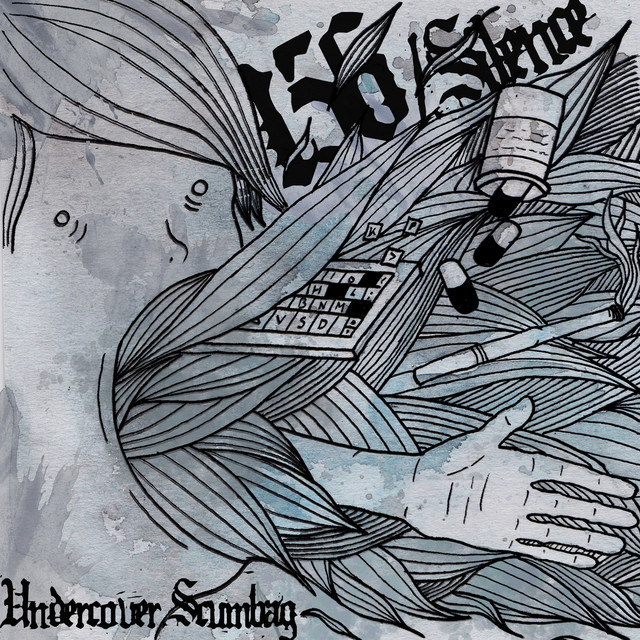
Undercover Scumbag (2018)
Featured Melodic Death Metal Album
rosemary (2023)
Featured Artist with an Upcoming Show
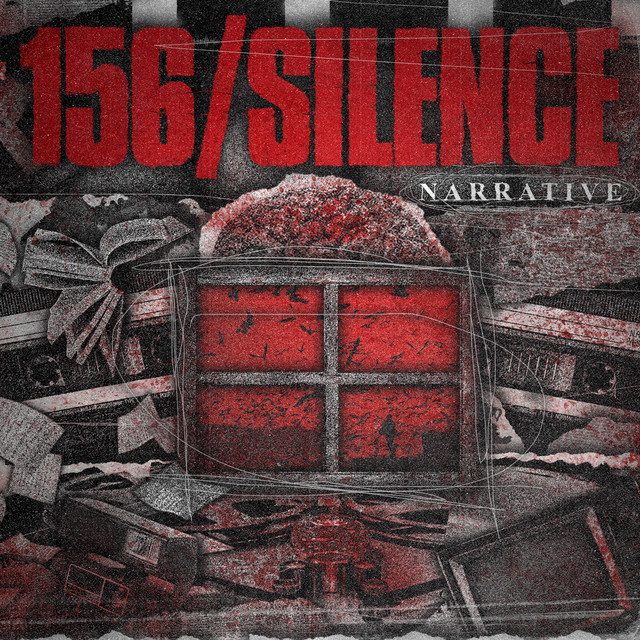
Featured Black Metal Album

Give Me Back My World (2025)
Featured Artist with an Upcoming Show
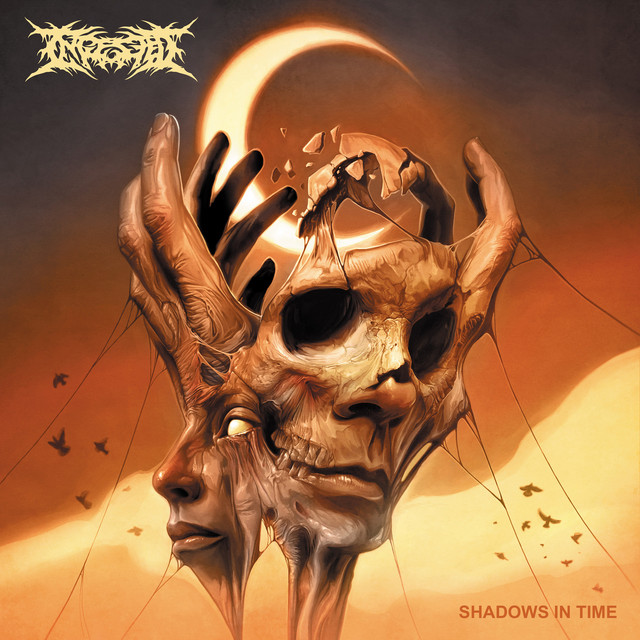
Browse World Metal Bands
24 bands found
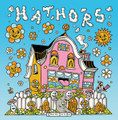
Hathors are a Swiss noise-rock trio from Winterthur who deliver a raw, visceral blend of grunge, punk, and hardcore that feels like it was recorded in a collapsing building. The band's stripped-down approach channels the confrontational energy of Melvins and early Mudhoney through a distinctly European sensibility. Their albums showcase a relentless commitment to volume and distortion as artistic statements rather than mere sonic choices.
IDLES formed in Bristol in 2009 and became one of the most prominent modern post-punk bands by turning repetition, abrasion, and communal shouting into a public language of grief, anger, and solidarity. Brutalism introduced the band's blunt force, but Joy as an Act of Resistance made them a wider cultural presence, with Joe Talbot's vocals confronting masculinity, class, immigration, loss, and empathy over Adam Devonshire's bass and the twin-guitar scrape of Mark Bowen and Lee Kiernan. Ultra Mono sharpened the attack into something almost percussive, while Crawler and Tangk showed more space, groove, vulnerability, and studio experimentation. IDLES are not metal, but they fit the accepted post-punk, punk, and noise-rock scope through volume, aggression, and the physical intensity of their live shows. Their best songs work because the slogans are not separate from the sound; the repetition becomes part of the argument. IDLES can be messy, tender, funny, and confrontational in the same set, making heaviness feel social rather than purely musical. The result is punk as pressure, conversation, and release.
Kim Gordon is an American musician, vocalist, bassist, guitarist, writer, and artist whose work with Sonic Youth helped define noise rock and American underground alternative music. Born in Rochester and raised partly in California, she entered New York's early-1980s art and no wave world before co-founding Sonic Youth in 1981 with Thurston Moore and Lee Ranaldo. Gordon's presence in that band was central: her bass lines, guitar textures, deadpan vocals, and conceptual instincts gave the music a cool but unstable charge. Sonic Youth turned dissonance, alternate tunings, feedback, and punk method into a language that influenced grunge, riot grrrl, indie rock, and experimental guitar music. Gordon's solo work and projects such as Free Kitten and Body/Head continued that interest in abrasion, space, and performance, later adding trap-influenced production, spoken delivery, and harsh electronic edges. She fits accepted scope through noise rock, post-punk-adjacent art rock, and experimental heavy guitar music. Gordon's importance is not only historical. Her music keeps asking how rock can sound strange, physical, and critical without becoming academic. At her strongest, she turns minimal gestures, damaged textures, and a skeptical voice into something confrontational and magnetic.
L7 are a Los Angeles rock band whose heavy, catchy collision of punk, metal, noise, and pop helped shape the sound and attitude around grunge before the term hardened into a marketing category. Founded in 1985 by Donita Sparks and Suzi Gardner, and later solidified with Jennifer Finch and Dee Plakas, the band came out of the Los Angeles art-punk and underground rock world with a sound that was both blunt and memorable. Albums such as Smell the Magic, Bricks Are Heavy, Hungry for Stink, The Beauty Process, and Scatter the Rats show how L7 could make distortion feel fun, nasty, political, and hooky all at once. They fit accepted scope through punk rock, noise rock, grunge, and metal-adjacent heaviness. Songs such as "Pretend We're Dead," "Shove," "Wargasm," and "Shitlist" carry big riffs and biting lyrics without losing the sense that the band is enjoying the damage. Their Rock for Choice activism also made them an important cultural force beyond records. L7 endure because they sound tougher, funnier, and more direct than many of the scenes they are associated with, turning sarcasm and volume into a durable rock identity.
Lambrini Girls are a Brighton punk band whose music uses volume, sarcasm, and direct confrontation as tools rather than decoration. Built around Phoebe Lunny and Lilly Macieira, the group makes short, abrasive songs that take aim at misogyny, queerphobia, class contempt, corporate culture, and the exhausting performance of respectability. Early singles and the You're Welcome EP introduced their mix of blown-out bass, jagged guitar, shouted vocals, and comedy sharpened into anger. Who Let the Dogs Out pushed the band to a wider audience while keeping the same sense of attack, with songs that feel written for small rooms where the distance between stage and crowd collapses. Lambrini Girls are not metal, but they fit the accepted punk, post-punk, and noise-rock scope clearly. Their heaviness comes from friction: distorted low end, sneered phrasing, confrontational pacing, and the refusal to let discomfort stay polite. At their best, Lambrini Girls sound like a band turning social exhaustion into a weapon, where every joke has teeth and every chorus is built to kick back.
Mannequin Pussy formed in Philadelphia in 2010 and built a catalog around speed, vulnerability, distortion, and sharp melodic turns. Early records leaned into brief, blown-out punk songs, but the band quickly developed a wider emotional range, moving from hardcore bursts and noise-rock abrasion into dreamy indie passages and hook-driven alternative rock. Romantic and Patience showed how forcefully the group could pivot between fury and tenderness, often within a single track, with Marisa Dabice's voice moving from intimate melodic phrasing to full-throated screams. Perfect and I Got Heaven continued that expansion, pairing bigger production with more direct songwriting while keeping the volatility that made the band stand out in the first place. Their history is one of refinement without softening: the songs became more spacious and melodic, but the core remains rooted in punk compression, cathartic release, jagged guitar texture, and lyrics that treat desire, anger, grief, self-possession, and bodily urgency as inseparable forces. The heaviness comes from emotional velocity as much as volume, especially when a hook collapses into a scream.
Otoboke Beaver are a Kyoto punk rock band known for turning speed, precision, humor, and confrontation into a blast of tightly controlled chaos. Formed in 2009 by musicians who met through a university music club, the quartet built its identity around short songs that lurch through abrupt tempo shifts, shouted group vocals, jagged guitar lines, and rhythms that can feel both frantic and meticulously drilled. Their music draws from garage punk, hardcore, noise rock, Japanese underground pop culture, and the theatrical possibilities of voices colliding at high velocity. Albums and collections such as Itekoma Hits and Super Champon show how much craft sits beneath the apparent wildness. The band can be funny, furious, surreal, and socially sharp in the same burst, often using relationship language and everyday irritation as material for larger explosions of refusal. Otoboke Beaver's live reputation is central to the appeal: songs arrive like coordinated pileups, with sudden stops and pivots that make the chaos feel athletic rather than random. They are important because they make punk feel fast, strange, feminine, technically fearless, and globally legible without smoothing out their Kyoto identity.
Scaler are a Bristol band whose music fuses noise rock, electronic pressure, post-rock dynamics, and club-informed rhythm into a dark, physical sound. Formerly known as Scalping, the group built its reputation on live sets that blur the boundary between a guitar band and a heavy electronic act, using drums, bass, guitar, synths, and sequencing to create music that feels engineered for both strobes and mosh pits. Their material, including releases around Void and later Scaler-era work, often avoids conventional rock frontperson structures in favor of momentum, texture, and repetition. They fit accepted scope through noise rock and metal-adjacent heavy electronics, especially when the guitars and bass lock into abrasive, industrial-sized patterns. Scaler's songs can feel like machinery gaining emotion: cold pulses, distorted riffs, sudden drops, and crescendos that grow from minimal motifs into overwhelming force. Bristol's history with bass music and experimental rock sits in the background, but the band does not sound like a simple scene exercise. Their strength is pressure control. Scaler understand that heaviness can come from sound design, rhythm, and patience as much as from riffs, making their music both body-driven and severe.
Show Me the Body formed in New York City and built a hostile, unmistakable sound from hardcore punk, noise rock, sludge weight, hip-hop production logic, and Julian Cashwan Pratt's distorted banjo. Body War introduced a band more interested in pressure and texture than genre etiquette, with Harlan Steed's bass tone and the drums turning songs into concrete slabs of rhythm. Dog Whistle and Trouble the Water sharpened the politics and the production, framing urban displacement, community defense, grief, and survival through abrasive repetition and shouted confrontation. The broader CORPUS network also matters because Show Me the Body treat their music as part of a scene infrastructure, not just a recording project. Their heaviness is unusual: the banjo can sound like a broken guitar, the bass carries sludge-level mass, and the vocals deliver punk urgency without romanticizing chaos. The band fit metal-adjacent and hardcore scope because the songs hit with physical force, but their deeper identity is New York noise, community anger, and rhythmic stubbornness turned into a live-wire system of resistance.
Enter the Inferno
View all threads →Frequently asked questions
World Metal Index indexes hundreds of global heavy metal bands across every subgenre — death metal, black metal, thrash metal, doom metal, metalcore, hardcore punk, grindcore, sludge, stoner metal, and more. Browse heavy metal bands by genre, city, or state.
Yes — browse global death metal bands in our index. Filter by genre to find death metal, technical death metal, and melodic death metal bands. We also index black metal, thrash metal, doom metal, and all heavy metal bands.
Use the genre filter to browse global black metal bands. We index black metal, atmospheric black metal, and related subgenres alongside death metal, thrash metal, doom metal, and all heavy metal bands.
Browse our index for global thrash metal bands. Filter by genre to discover thrash metal, crossover thrash, and speed metal bands. Our index covers all heavy metal bands including death metal, black metal, doom, and metalcore.
Yes — we index metalcore bands, doom metal bands, and every heavy metal subgenre. Browse global metalcore, doom metal, sludge metal, stoner metal, progressive metal, power metal, and more.
Yes — browse global hardcore punk bands alongside heavy metal bands. We cover hardcore punk, crust punk, D-beat, grindcore, metalcore, and all heavy music subgenres.
Filter by city and state to find heavy metal bands near you. Each band page includes streaming links, genre tags, and upcoming metal concerts. Discover death metal, black metal, thrash, doom, and all heavy metal bands in your area.
Visit our shows page for global metal concerts — death metal shows, black metal concerts, thrash metal shows, doom concerts, and all heavy metal events. Updated daily with ticket links from Ticketmaster and SeatGeek.
World Metal Index is an index of global heavy metal bands — death metal, black metal, thrash metal, doom metal, metalcore, hardcore punk, and all heavy music. Browse bands by genre, find metal concerts near you, and discover the global metal scene.