Metal's Therapeutic Revolution: Global Scene Embraces Healing Through Heavy Music as Clinical Research Validates Decades of Fan Intuition
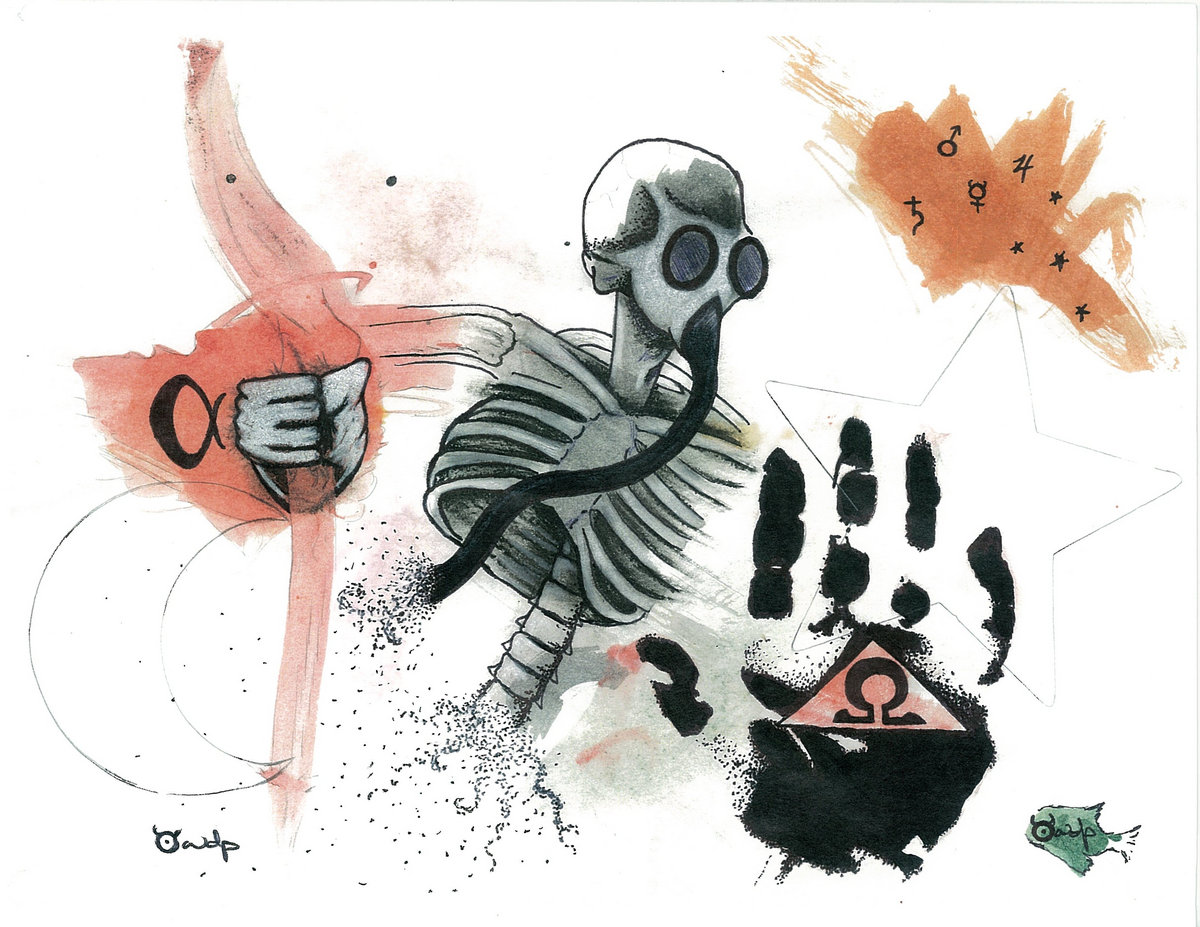
From Stigma to Science: Heavy Music's Medical Validation
The global metal community is experiencing a paradigm shift that would have been unthinkable just a decade ago. What was once dismissed as aggressive noise pollution is now being clinically validated as a legitimate therapeutic tool, with new documentary projects and research initiatives highlighting heavy music's profound healing capabilities. This transformation represents more than just academic curiosity—it signals a fundamental recalibration of how society perceives extreme music and its impact on mental health.
Recent developments in music therapy research have provided scientific backing for what metalheads have intuitively understood for generations: heavy music can serve as emotional catharsis, stress relief, and psychological processing tool. Clinical studies are now documenting measurable benefits including reduced anxiety, improved emotional regulation, and enhanced coping mechanisms among listeners who gravitate toward extreme musical genres.
The therapeutic metal movement has gained particular momentum through collaborative documentary projects featuring prominent musicians from across the heavy music spectrum. These initiatives bring together voices from established acts to explore how aggressive soundscapes can facilitate healing rather than harm. The participation of veteran artists lends credibility to therapeutic applications while challenging long-standing misconceptions about heavy music's psychological effects.
Global Scene Dynamics: Recognition and Creative Resurgence
Meanwhile, the international metal landscape continues evolving through unexpected recognition patterns and creative developments. Canada's recent national music award ceremonies have spotlighted the country's robust extreme music scene, with deathcore and technical death metal acts receiving mainstream acknowledgment alongside more commercial hard rock entries. This represents a significant shift in how cultural institutions evaluate and celebrate heavy music contributions.
The Canadian recognition wave extends beyond simple award ceremonies, reflecting deeper changes in how metal scenes develop sustainable ecosystems. Regional acts are increasingly finding pathways to national prominence through genre-specific categories rather than being relegated to catch-all alternative classifications. This targeted recognition helps validate local scenes while providing artists with tangible career milestones.
European metal's creative resurgence is manifesting through ambitious album projects from legendary acts, with Norwegian symphonic black metal pioneers and Portuguese gothic metal veterans leading renewed artistic exploration. These veteran acts are embracing experimental approaches while maintaining core genre identities, suggesting that established artists feel empowered to take creative risks in the current musical climate.
The timing of these releases indicates coordinated industry confidence in heavy music's commercial viability. When multiple high-profile acts schedule albums for similar release windows, it typically reflects broader market optimism and distributor commitment to promoting extreme music.
Veteran Acts and Creative Acceleration
A fascinating trend has emerged around veteran metal acts embracing accelerated creative timelines. British heavy metal legends are reportedly moving quickly from recent releases into new recording phases, suggesting a renewed sense of urgency and inspiration. This creative acceleration contrasts sharply with the traditional album cycle approach that dominated metal for decades.
The rapid-fire creative approach may reflect lessons learned during recent global disruptions, when touring limitations forced many artists to focus intensively on songwriting and recording. Veterans who maintained creative momentum during challenging periods now appear reluctant to return to lengthy gaps between releases.
Progressive rock-influenced metal acts are also embracing ambitious conceptual projects that blur traditional genre boundaries. These developments suggest that established artists are less concerned with commercial expectations and more focused on artistic fulfillment, creating opportunities for experimental approaches that might influence younger acts.
Local Scene Integration and Therapeutic Applications
Regional scenes worldwide are beginning to integrate therapeutic concepts into community building efforts. Local venues and promoters are increasingly aware of heavy music's positive psychological impacts, leading to programming decisions that emphasize emotional catharsis and community support rather than pure aggression.
Emerging acts like ...And You Will Know Us by the Trail of Dead and experimental projects such as (Ohlm) represent new approaches to heavy music that prioritize emotional processing and communal healing. These artists often incorporate therapeutic concepts directly into their creative processes, viewing music creation as both artistic expression and psychological exploration.
The therapeutic metal movement has particular relevance for regional scenes that serve as support networks for isolated fans. In areas where heavy music communities provide crucial social connections, the validation of metal's healing properties strengthens arguments for venue support, funding assistance, and cultural recognition.
Industry Infrastructure and Therapeutic Integration
Music therapy programs are beginning to incorporate heavy music specialists who understand genre nuances and can work effectively with clients drawn to extreme sounds. This specialization requires practitioners who can distinguish between different subgenres' therapeutic applications—recognizing that doom metal serves different psychological functions than death metal or black metal.
The integration of therapeutic concepts into metal scenes also creates new revenue streams and career opportunities. Musicians trained in therapeutic applications can offer specialized services, while venues can host healing-focused events that combine live music with wellness programming.
Record labels are taking notice of therapeutic metal's commercial potential, with some actively seeking artists whose music demonstrates measurable psychological benefits. This trend could influence A&R decisions and marketing strategies, as labels recognize that therapeutic applications provide unique selling propositions in crowded musical markets.
Cultural Resistance and Acceptance Patterns
Despite scientific validation, therapeutic metal still faces cultural resistance in many regions. Traditional mental health establishments often remain skeptical of aggressive music's healing potential, creating barriers for practitioners attempting to integrate heavy music into clinical settings.
However, younger mental health professionals increasingly embrace diverse therapeutic approaches, including music-based interventions that meet clients where they are rather than imposing external musical preferences. This generational shift suggests that therapeutic metal will gain broader acceptance as these practitioners advance in their careers.
The resistance patterns vary significantly by region, with some areas showing greater openness to alternative therapeutic approaches. Metal scenes in progressive communities often serve as testing grounds for innovative programs that could eventually expand to more conservative regions.
Future Implications for Global Metal Community
The therapeutic validation of heavy music creates unprecedented opportunities for scene development and cultural integration. As scientific evidence accumulates, metal communities can advocate more effectively for resources, recognition, and institutional support.
This shift may also influence how artists approach songwriting and performance, with increased awareness of music's psychological impacts potentially shaping creative decisions. While maintaining artistic integrity remains paramount, musicians are increasingly conscious of their music's therapeutic potential.
The global nature of therapeutic metal's emergence suggests that these developments will continue spreading across regions and genres. As documentation projects and research studies proliferate, the movement gains momentum that could fundamentally reshape how society perceives heavy music's role in mental health and community wellness.
For local scenes worldwide, the therapeutic metal revolution represents both validation and opportunity. Communities that have long understood heavy music's healing power now have scientific backing to support their intuitions, while new audiences may discover metal through therapeutic applications rather than traditional music discovery channels.