Norwegian Symphonic Black Metal's Global Influence Sparks Creative Awakening Across International Metal Scenes
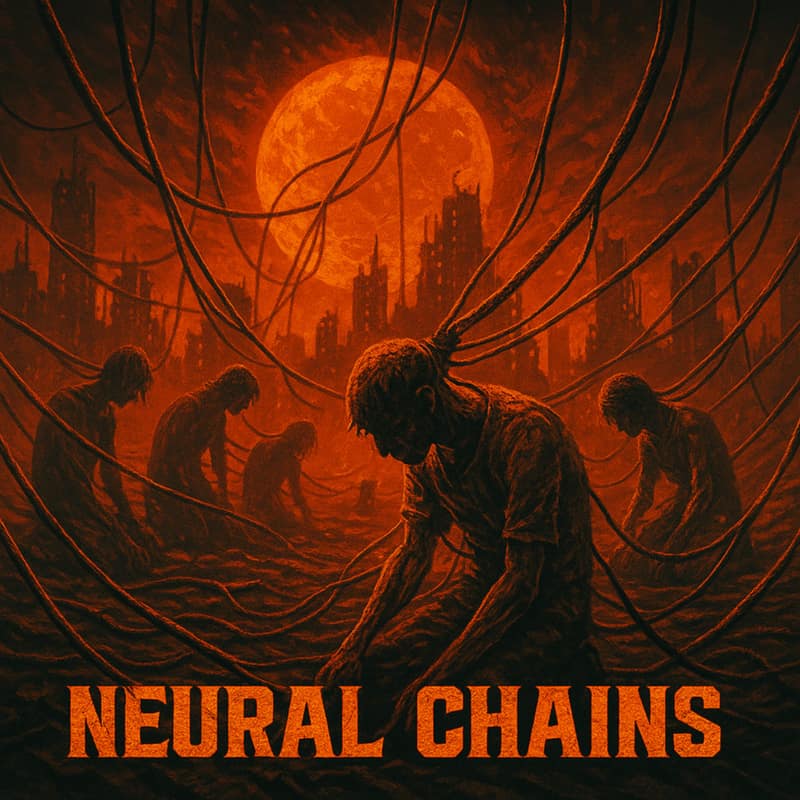
The ripple effects of Norwegian symphonic black metal's latest creative surge are being felt across the entire world metal scene, as bands from every continent embrace orchestral complexity while maintaining underground authenticity. Recent announcements from established acts signal a broader movement toward sophisticated compositional approaches that's inspiring emerging artists worldwide to push beyond traditional genre boundaries.
The New Orchestral Extremity
The symphonic black metal renaissance isn't just about keyboards and orchestras—it's fundamentally reshaping how extreme metal bands approach songwriting architecture. Where previous generations might have viewed orchestration as either purely atmospheric or bombastically theatrical, today's practitioners are integrating classical elements as structural foundations rather than decorative overlays.
This sophisticated approach is trickling down to local scenes globally, where bands are incorporating everything from string quartets to full orchestral arrangements in their compositions. The accessibility of digital orchestration tools has democratized what was once the exclusive domain of major-label acts, allowing underground bands to experiment with complex arrangements that rival their inspirations.
The influence extends beyond black metal proper, with death metal bands incorporating symphonic elements into their already technical frameworks. Progressive metal acts are finding new ways to blend orchestral grandeur with crushing heaviness, creating hybrid sounds that defy easy categorization while maintaining the visceral impact that defines the best death metal bands of any era.
Regional Scenes Embrace Orchestral Innovation
Across different continents, metal scenes are interpreting this symphonic revival through their own cultural lenses. European bands naturally gravitate toward classical traditions, while North American acts often incorporate cinematic elements that reflect their entertainment industry influences. Meanwhile, South American bands are blending orchestral arrangements with folk instruments, creating uniquely regional takes on the symphonic extreme metal template.
The diversity of approaches is staggering. Some bands are working with actual orchestras and chamber ensembles, while others are pushing the boundaries of what can be achieved through sampling and digital composition. The key unifying factor isn't the specific instrumentation but the commitment to compositional complexity that elevates the emotional and intellectual impact of extreme metal.
This trend is particularly visible in the touring circuit, where metal bands touring 2026 are incorporating increasingly elaborate live presentations. The logistical challenges of bringing orchestral elements to smaller venues has sparked innovation in hybrid acoustic-electric setups and creative use of backing tracks that maintain live energy while delivering orchestral depth.
Award Recognition Reflects Genre Evolution
Recent recognition at major music industry awards demonstrates how extreme metal's orchestral evolution is gaining mainstream acknowledgment without compromising underground credibility. When established acts receive prestigious honors for their latest works, it validates the artistic legitimacy of complex extreme metal while inspiring younger bands to pursue their own ambitious projects.
This recognition creates a positive feedback loop where industry support enables more experimental projects, which in turn push the boundaries of what's considered commercially viable extreme metal. The result is an environment where bands can pursue increasingly sophisticated compositions without fear of alienating either underground purists or broader audiences.
The impact on emerging artists is particularly significant. Seeing established acts receive recognition for pushing creative boundaries gives younger bands permission to experiment with their own orchestral integrations and complex arrangements. This has led to an explosion of creativity across regional scenes worldwide.
Documentary Evidence and Cultural Validation
The growing body of academic and documentary evidence supporting heavy music's positive impact has created cultural space for more sophisticated extreme metal expressions. When heavy music gains recognition for its therapeutic and emotional benefits, it naturally follows that more complex and emotionally nuanced compositions will find receptive audiences.
This cultural validation is particularly important for orchestral extreme metal, which requires significant investment in both composition time and production resources. Labels and venues are more willing to support ambitious projects when the broader cultural conversation recognizes heavy music as artistically legitimate rather than merely cathartic noise.
The documentary evidence also provides bands with vocabulary to discuss their orchestral experiments in terms of emotional architecture and therapeutic impact, rather than simply technical achievement. This has led to more thoughtful integration of symphonic elements that serve the song's emotional journey rather than showcasing instrumental virtuosity for its own sake.
Side Projects and Creative Cross-Pollination
The current wave of side projects from established extreme metal musicians is accelerating orchestral innovation across genre boundaries. When respected figures in the metal community launch solo ventures that incorporate symphonic elements, it legitimizes experimentation for artists across the spectrum.
These side projects often serve as laboratories for techniques that eventually influence the artists' main bands and inspire completely new approaches in other acts. The cross-pollination between different projects creates a rich ecosystem of innovation where orchestral elements might originate in a black metal context but find application in progressive death metal, atmospheric doom, or even technical thrash.
Local scenes benefit enormously from this creative cross-pollination. Acts like $lutrot and other innovative bands are finding new ways to incorporate symphonic elements into their regional sounds, creating hybrid approaches that reflect both global trends and local musical traditions.
The Infrastructure of Innovation
Supporting this creative renaissance is an improving infrastructure for extreme metal production and distribution. Home studios equipped with orchestral sample libraries allow bands to experiment with complex arrangements before committing to expensive professional recording sessions. Streaming platforms provide global distribution for experimental releases that might not find traditional label support.
The festival circuit has adapted to accommodate more elaborate performances, with improved sound systems and staging that can handle the dynamic range required for orchestral extreme metal. This creates opportunities for bands to present their full artistic vision in live settings, rather than settling for stripped-down versions of their recorded material.
Educational resources have also expanded dramatically. Online tutorials, composition software, and virtual instruments have democratized orchestral composition knowledge that was previously accessible only to formally trained musicians. This has led to a surge of autodidactic orchestral arrangers within the extreme metal community.
Future Implications
As we look toward the evolution of new metal bands 2026, the integration of orchestral elements appears to be moving from experimental novelty to standard compositional tool. The most successful acts are those that use symphonic elements to enhance their core sound rather than overwhelming it with unnecessary complexity.
This suggests a future where orchestral integration becomes as natural as guitar solos or blast beats—another color in the extreme metal palette rather than a separate genre category. The bands that will define the next phase of extreme metal evolution are likely those that can seamlessly blend orchestral sophistication with crushing heaviness, creating music that satisfies both intellectual and visceral needs.
The global nature of this trend means regional scenes worldwide will continue developing their own interpretations of orchestral extreme metal, creating a rich tapestry of approaches that reflect local musical traditions while participating in the broader evolution of heavy music. For emerging artists ready to join this movement, resources like our submit your band page provide pathways to connect with this expanding global community.
The current moment represents a unique convergence of creative ambition, technological accessibility, and cultural validation that positions extreme metal for its most sophisticated evolutionary phase yet. As this orchestral renaissance continues to unfold, it promises to redefine what extreme metal can achieve while honoring the genre's fundamental commitment to emotional intensity and artistic integrity.