Surprise Album Strategy and Viking Metal Renaissance Mark 2026's Anti-Industry Movement as Veterans Reclaim Creative Control
The metal world witnessed a seismic shift this week as established acts abandoned traditional promotional cycles in favor of direct fan engagement, while Nordic metal veterans resurged with renewed creative vigor. This anti-industry movement signals a fundamental change in how metal bands approach album releases and fan relationships in 2026.
The Death of the Album Cycle: Enter Shikari's Strategic Gamble
Enter Shikari's unannounced drop of "Lose Your Self" represents more than just a surprise release—it's a deliberate rejection of the industry's manufactured hype machine. By eliminating pre-release singles, teasers, and promotional campaigns, the British act is forcing listeners to experience music as it was originally intended: as complete artistic statements rather than fragmented content streams.
This approach directly challenges streaming platforms' algorithm-driven single-focused ecosystem. When bands like Enter Shikari present entire albums without warning, they're essentially asking fans to invest in the full artistic vision rather than consuming bite-sized promotional content. The strategy mirrors tactics employed by artists like Beyoncé and Kendrick Lamar in mainstream music, but its application in alternative metal spaces suggests a broader industry rebellion brewing.
The philosophical implications run deeper than marketing strategy. Enter Shikari's statement about presenting everything "for the listener to immerse themself in" acknowledges that modern attention spans have been fractured by social media and streaming services. Their 12-track exploration of global despair and hope requires sustained listening—something increasingly rare in today's musical landscape.
Nordic Metal's Blood-Soaked Renaissance
Meanwhile, Norway's Einherjer emerges from the shadows with "Bloodborn," the lead single from their upcoming "Lifeblood" album, demonstrating that Viking metal's creative wellspring remains far from exhausted. The timing of their June release through By Norse Music couldn't be more strategic, as black metal and folk metal scenes experience renewed international interest.
Einherjer's approach to inherited warfare themes—exploring concepts "carried in the blood itself"—taps into ancestral mythology that resonates beyond Scandinavian borders. This thematic depth separates authentic Viking metal from surface-level appropriations, offering substance alongside the expected Nordic fury. Regional acts like Æolian understand this balance between folk tradition and extreme metal innovation, drawing from similar wells of cultural authenticity.
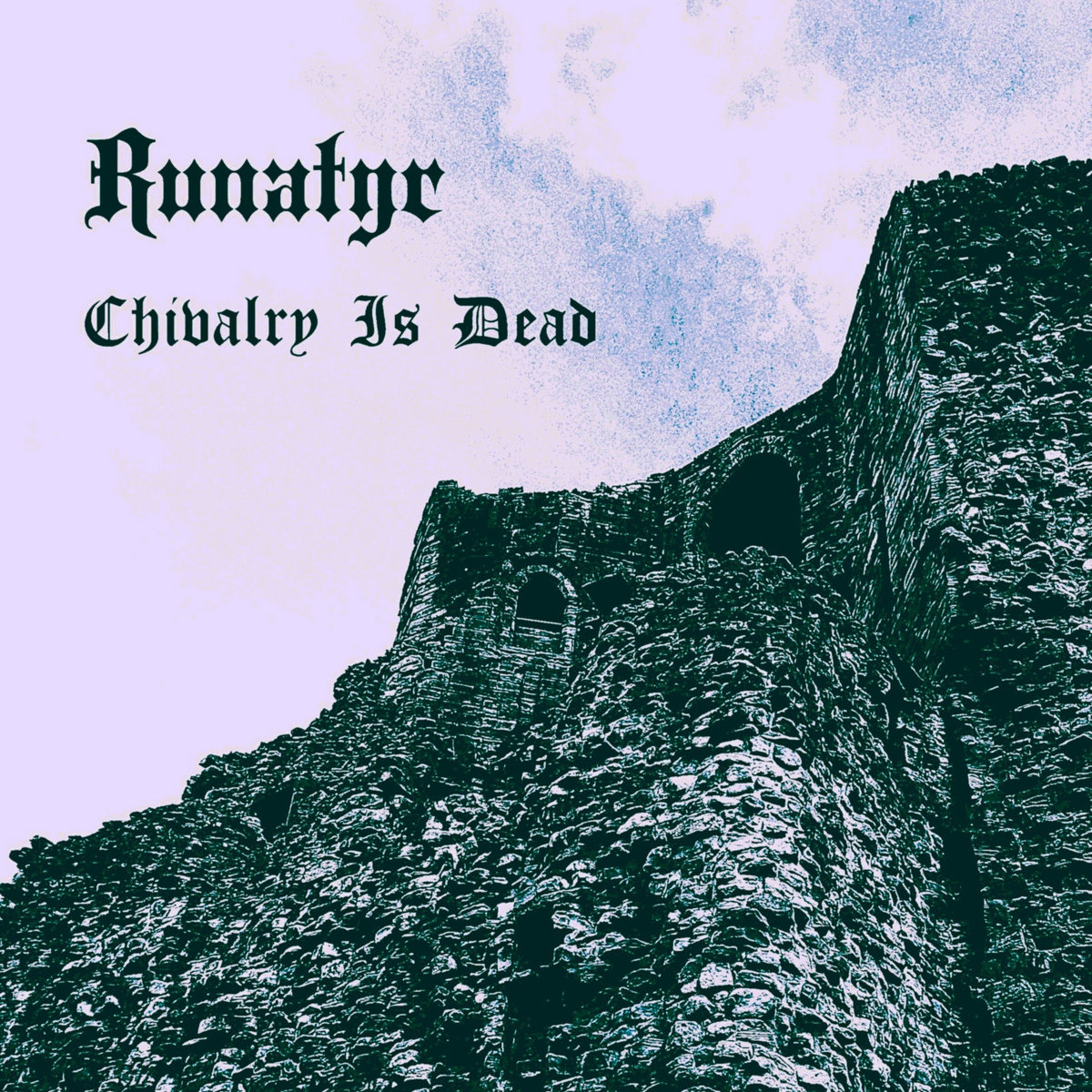
The Norwegian scene's influence extends far beyond its borders, inspiring black metal and folk metal artists worldwide to explore their own cultural roots. Arx Atrata represents this atmospheric black metal evolution, while acts like Runatyr continue pushing traditional black metal boundaries established by the Norwegian pioneers.
American Heavy Metal's Institutional Memory Crisis
Sanctuary's signing with BLKIIBLK and their first new material in over a decade highlights American heavy metal's ongoing struggle with institutional memory. "Not Of The Living" arrives during a period when classic heavy metal bands face increasing pressure to justify their continued existence beyond nostalgia touring.
The twelve-year gap between Sanctuary releases reflects broader challenges facing veteran American metal acts. Unlike European scenes where government arts support and cultural preservation efforts help sustain long-term careers, American bands often face economic pressures that force extended hiatuses or complete dissolutions. Sanctuary's partnership with Frontiers Label Group's heavy metal imprint suggests one viable path forward for legacy acts seeking creative resurrection.
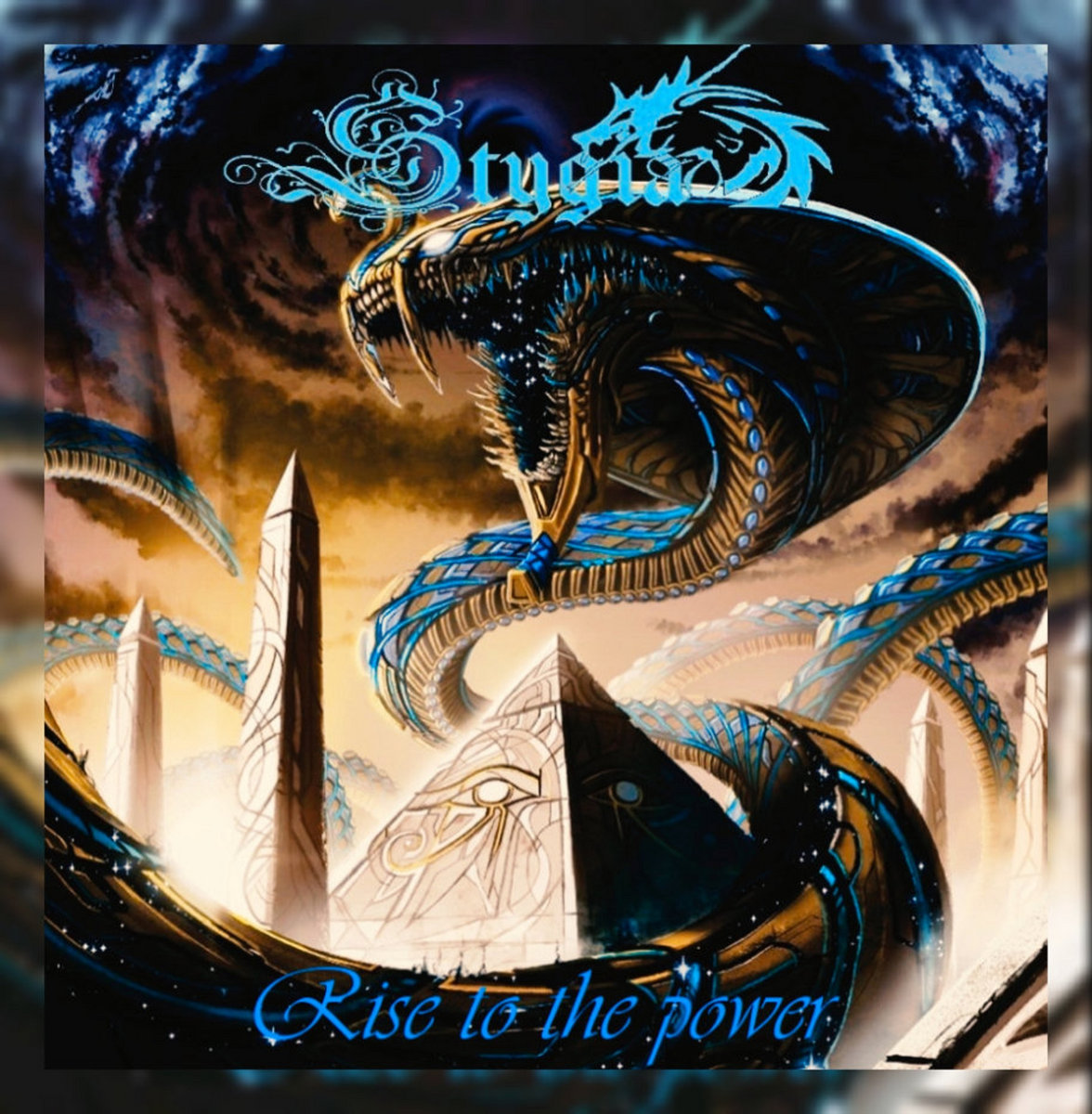
This institutional memory crisis affects more than just established bands. Regional power metal acts like Stygia must navigate an environment where traditional heavy metal struggles for mainstream recognition, despite possessing technical proficiency and songwriting skills that rival any era of the genre's development.
The Festival Anthems and Cultural Bridge-Building
Behemoth's decision to cover Bathory's "The Return of Darkness and Evil" as Mystic Festival's anthem reveals how modern extreme metal acts view their relationship with genre forefathers. Rather than simply paying tribute, Nergal's interpretation serves as cultural bridge-building between black metal's pioneering generation and its contemporary evolution.
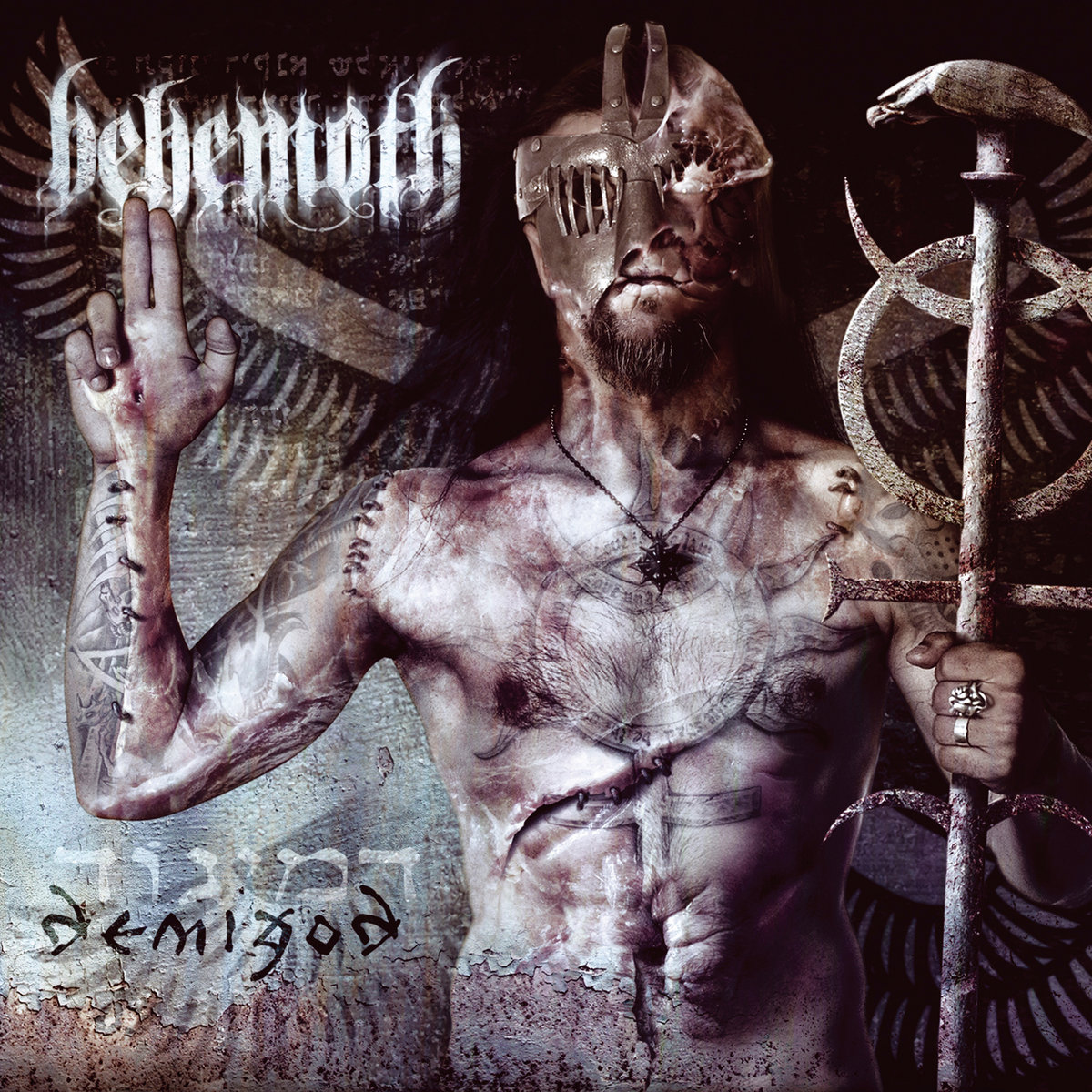
Festival anthems carry particular significance in metal culture, serving as communal rallying points that unite diverse audiences around shared musical heritage. Behemoth's choice acknowledges Bathory's foundational role in both black metal and Viking metal development, while demonstrating how modern production techniques can honor rather than overshadow original compositions.
This cultural preservation through reinterpretation creates templates for emerging acts. Industrial metal bands like oOo can study how Behemoth balances reverence with innovation, applying similar approaches to their own genre-blending experiments without losing core identity elements.
The Twenty-Year Resurrection Phenomenon
Warning's return with "Rituals of Shame" after two decades exemplifies a growing trend of extended-hiatus comebacks that challenge traditional music industry timelines. Unlike reunion tours driven purely by nostalgia economics, these resurrections often produce the artists' most mature and focused work.
The twenty-year gap allows bands to approach their sound with fresh perspectives while maintaining core identity elements that originally attracted audiences. Warning's lead single "Stations" suggests they've used their extended absence to refine rather than reinvent their approach, avoiding the desperate trend-chasing that often characterizes premature comebacks.
This resurrection model offers hope for countless dormant acts across all metal subgenres. Doom metal bands like Scarlett can study Warning's patient approach to creative renewal, while thrash metal acts such as Imp might consider how extended breaks can rejuvenate rather than kill creative momentum.
Cross-Cultural Contamination and Future Implications
The week's developments suggest metal's future lies not in industry conformity but in creative authenticity and patient artistic development. From Enter Shikari's anti-promotional stance to Warning's decades-long creative hibernation, successful acts are increasingly rejecting external timelines in favor of internal creative rhythms.
WWE Champion Stephanie Vaquer's dream of having Megadeth play her entrance music demonstrates metal's continued cultural penetration beyond traditional boundaries. These crossovers validate metal's emotional power while introducing the music to audiences who might never encounter it through conventional channels.
The international touring announcements from Bell Witch and Aerial Ruin further prove that authentic artistic vision transcends geographical boundaries. Their Stygian Bough collaboration tour brings doom metal's most experimental elements to North American audiences hungry for innovative live experiences.
As 2026 progresses, these trends suggest metal's most successful acts will be those who prioritize artistic integrity over industry compliance, cultural authenticity over trend-following, and patient creative development over rushed commercial exploitation. The week's news points toward a future where metal's diverse global scene thrives through mutual respect, creative cross-pollination, and unwavering commitment to the music's transformative power.