Iconic Returns and Legacy Reunions Dominate 2026 as Metal Pioneers Reclaim Their Thrones
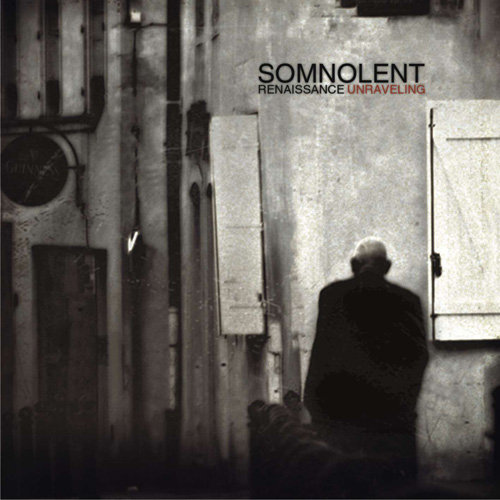
The metal world is witnessing an unprecedented wave of legendary returns as 2026 shapes up to be the year of iconic reunions and long-awaited comebacks. From KISS defying their own farewell to Lita Ford's studio resurrection after a 14-year hiatus, metal's most influential figures are proving that retirement is merely a suggestion in the heavy music realm.
The Resurrection of Rock Royalty
Perhaps no story captures this phenomenon better than Lita Ford's journey back to the studio. The 80s metal bands pioneer has been crafting her follow-up to 2012's "Living Like A Runaway" with the meticulous care of a master artisan. Working once again with guitarist and producer Gary Hoey, Ford represents the authenticity that made her generation legendary. Her tentative fall 2026 release date signals that quality trumps speed in her creative process—a refreshing approach in today's rapid-fire release culture.
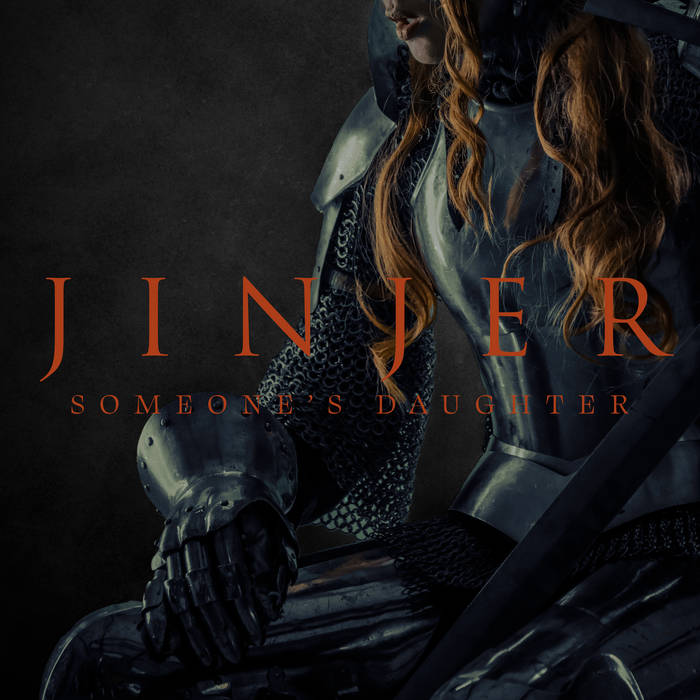
Ford's return resonates particularly strongly in the current landscape where female-fronted metal acts like JINJER continue to dominate the progressive metal scene. The Ukrainian powerhouse has shown how technical prowess and authentic intensity can coexist, carrying forward the torch that pioneers like Ford first lit in the 1980s.
Meanwhile, KISS has turned their farewell tour into performance art, announcing their return for KISS Kruise: Landlocked 2026 in Las Vegas. Paul Stanley's confirmation that the band will reunite—yet again—demonstrates the complex relationship between legacy acts and their supposed final chapters. This isn't just nostalgia; it's a masterclass in brand evolution that younger acts study religiously.
Festival Landscapes and Touring Renaissance
The festival circuit is experiencing its own transformation, with Sonic Temple's 2026 lineup showcasing 140 bands across five stages over four days. The Ohio festival's massive scope, featuring Tool, My Chemical Romance, Lamb of God, Coheed and Cambria, Megadeth, and Public Enemy alongside Rise Against, illustrates how modern festivals serve as cultural convergence points rather than simple concert experiences.

This expansion reflects broader trends in metal bands touring 2026, where festivals increasingly function as cultural statements. The inclusion of acts spanning multiple decades creates intergenerational dialogues that benefit both veteran performers and emerging talent. For bands in the World metal scene, these massive events provide crucial exposure opportunities that were unimaginable in previous decades.
Neurosis and the Art of Strategic Silence
Steve Von Till's recent comments about Neurosis's surprise return with "An Undying Love For A Burning World" reveal another fascinating aspect of modern metal strategy: the power of strategic absence. After a decade-long hiatus, the band's reunion with Aaron Turner felt "instantly right," according to Von Till. This natural chemistry demonstrates why forced reunions often fail while organic returns create magic.
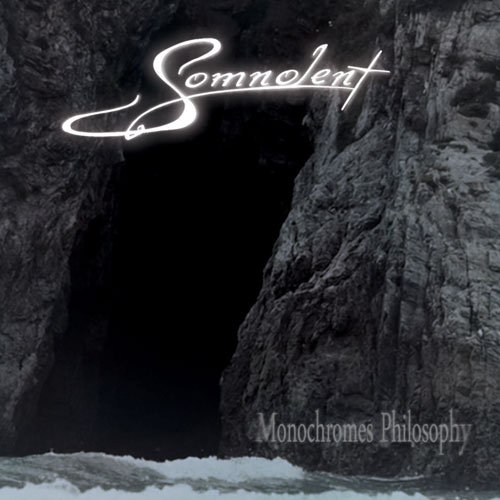
Neurosis's atmospheric approach to heavy music has influenced countless acts in the doom and sludge metal underground. Their return provides validation for bands like Somnolent, whose funeral doom and progressive metal fusion carries forward the experimental spirit that Neurosis pioneered. The connection between veteran innovation and underground evolution creates a healthy ecosystem where authenticity thrives.
Progressive Metal's Quiet Revolution
The Pineapple Thief's signing with InsideOut Music represents progressive metal's continued commercial viability. Bruce Soord's project, spanning 16 studio albums since 1999, exemplifies the long-term vision necessary for progressive acts to build sustainable careers. Their worldwide touring success proves that technical complexity and commercial appeal aren't mutually exclusive when executed with genuine artistic vision.
Evergrey's introduction of new guitarist Stephen Platt alongside their single "The World Is On Fire" shows how established progressive acts maintain relevance through strategic evolution. Their upcoming "Architects of a New Weave" album, arriving June 5th, represents the kind of calculated risk-taking that keeps progressive metal vital. The Swedish band's approach offers lessons for emerging progressive acts about balancing innovation with established strengths.
Similarly, The Halo Effect's announcement of their 2027 European tour with Lacuna Coil and Omnium Gatherum showcases how melodic death metal continues expanding internationally. The Swedish five-piece, whose members helped define the Gothenburg sound, proves that best death metal bands can evolve without abandoning their foundational principles.
Supergroups and Cross-Pollination
T3RMINAL's formation, featuring Tesla's Brian Wheat and Tommy Skeoch, W.A.S.P.'s Chris Holmes, and Saliva's Josey Scott, represents the supergroup trend's continued evolution. Their claim that the project "doesn't sound like" any of their previous bands suggests genuine creative ambition rather than nostalgic cash-grab mentality. This approach reflects maturity within the veteran metal community.
The project's late 2026 release timeline aligns with the broader trend of extended development cycles among experienced musicians. Unlike younger acts rushing to capture fleeting attention, these veterans understand that quality songwriting requires patience and collaborative chemistry.
Cultural Reflections and Political Legacy
Tom Morello's reflection on Rage Against The Machine's infamous SNL performance thirty years ago provides crucial context for understanding metal's political dimensions. The incident, which resulted in Secret Service involvement and a lifetime SNL ban, demonstrates how authentic political expression in heavy music carries real consequences. This historical perspective enriches contemporary discussions about metal's role in social commentary.
Morello's insights remind us that the best metal albums of all time often emerge from genuine conviction rather than calculated controversy. This authenticity criterion becomes increasingly important as younger bands navigate social media landscapes where political posturing can overshadow musical substance.
Innovation in Traditional Frameworks
Saosin's return with "Starting Over Again"—their first new music in a decade with Cove Reber resuming lead vocal duties—illustrates how established acts can rediscover their core identity. The band's willingness to acknowledge their "starting over" mindset demonstrates healthy self-awareness about creative renewal versus mere nostalgia.
Nine Inch Nails' "Nine Inch Noize" album, recorded "all over the place—some of it's live, some in studios, hotels, planes," according to Trent Reznor, showcases how technological advancement enables creative flexibility. This approach influences how new metal bands 2026 approach recording, proving that innovation can emerge from logistical adaptation rather than just artistic ambition.
The Ecosystem Effect
These veteran returns create ripple effects throughout the metal ecosystem. When legends like Lita Ford spend years crafting new material, it validates patient artistry over rapid content creation. When KISS reunites despite farewell tours, it demonstrates that fan relationships transcend traditional business models. When Neurosis returns naturally rather than forced, it shows that authentic chemistry cannot be manufactured.
For emerging acts across all metal subgenres—from the heavy metal traditionalists to progressive innovators—these veteran examples provide roadmaps for sustainable careers built on artistic integrity rather than fleeting trends. The lesson isn't nostalgia worship but rather understanding how authentic expression creates lasting impact.
As 2026 unfolds, these iconic returns signal that metal's greatest strength lies not in rejecting its past but in allowing that history to inform ongoing evolution. The result is a genre ecosystem where innovation and tradition coexist, creating space for both legendary comebacks and emerging voices to thrive simultaneously.