Megadeth Internal Wars Explode as Mustaine Faces Double Challenge While Swedish Death Metal Mourns Lindberg Legacy
The metal world is witnessing unprecedented internal conflicts as Megadeth founder Dave Mustaine finds himself under fire from two former guitarists simultaneously, while Sweden's melodic death metal scene grapples with profound loss and renewal. These developments reveal deeper tensions about legacy, truth, and artistic integrity that extend far beyond individual band dynamics.
Mustaine's Past Haunts Present as Former Members Strike Back
Dave Mustaine's decades-long habit of publicly criticizing former Megadeth members has finally triggered a coordinated response. Chris Poland, the virtuoso guitarist who helped define Megadeth's early sound on "Peace Sells" and "Killing Is My Business," is preparing to publish revelations that directly challenge Mustaine's historical narratives. Poland's upcoming book promises to address what he calls "total B.S." from Mustaine's various interviews and autobiographical accounts.
The timing coincides with Kiko Loureiro's more diplomatic but equally telling departure explanation. The Brazilian guitarist, who spent nine years with Megadeth before leaving in 2023, cited "many reasons" for his exit while living in Finland with his family. Loureiro's measured tone contrasts sharply with Poland's more confrontational approach, yet both departures highlight recurring patterns in Mustaine's leadership style.
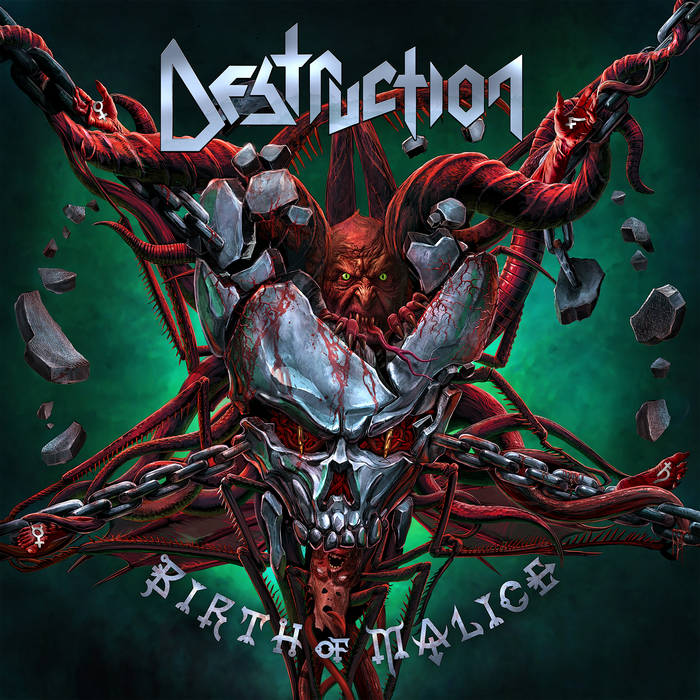
This dual challenge represents something unprecedented in thrash metal history. While bands like Destruction have maintained relatively stable lineups despite internal tensions, Megadeth's revolving door of talented musicians has become legendary. The fact that former members are now actively challenging official narratives suggests a broader reckoning within the scene about accountability and historical accuracy.
For thrash metal acts worldwide, including rising bands like Pus, these developments serve as cautionary tales about the long-term consequences of public disputes. The thrash community has always prized authenticity, but when competing versions of truth emerge from the same band's history, it forces fans and musicians to navigate complex questions about whose narrative to believe.
Swedish Death Metal's Generational Transition
Meanwhile, At The Gates faces an entirely different but equally profound challenge. The Swedish melodic death metal pioneers are moving forward following the loss of longtime vocalist Tomas Lindberg, with guitarist Anders Björler taking on the difficult task of honoring their friend's memory while charting new creative territory. The band's upcoming record represents both tribute and evolution, demonstrating how veteran acts can transform tragedy into artistic fuel.
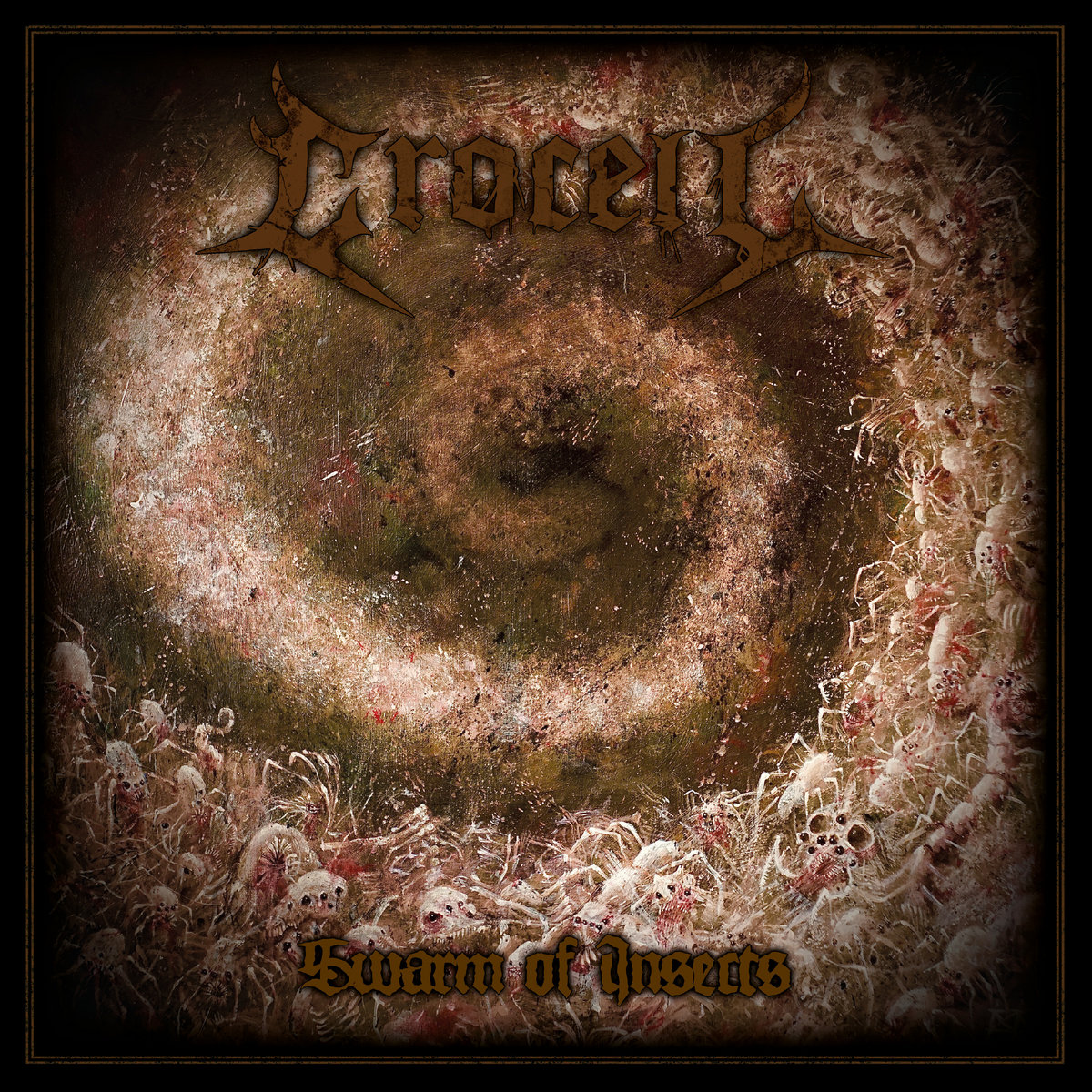
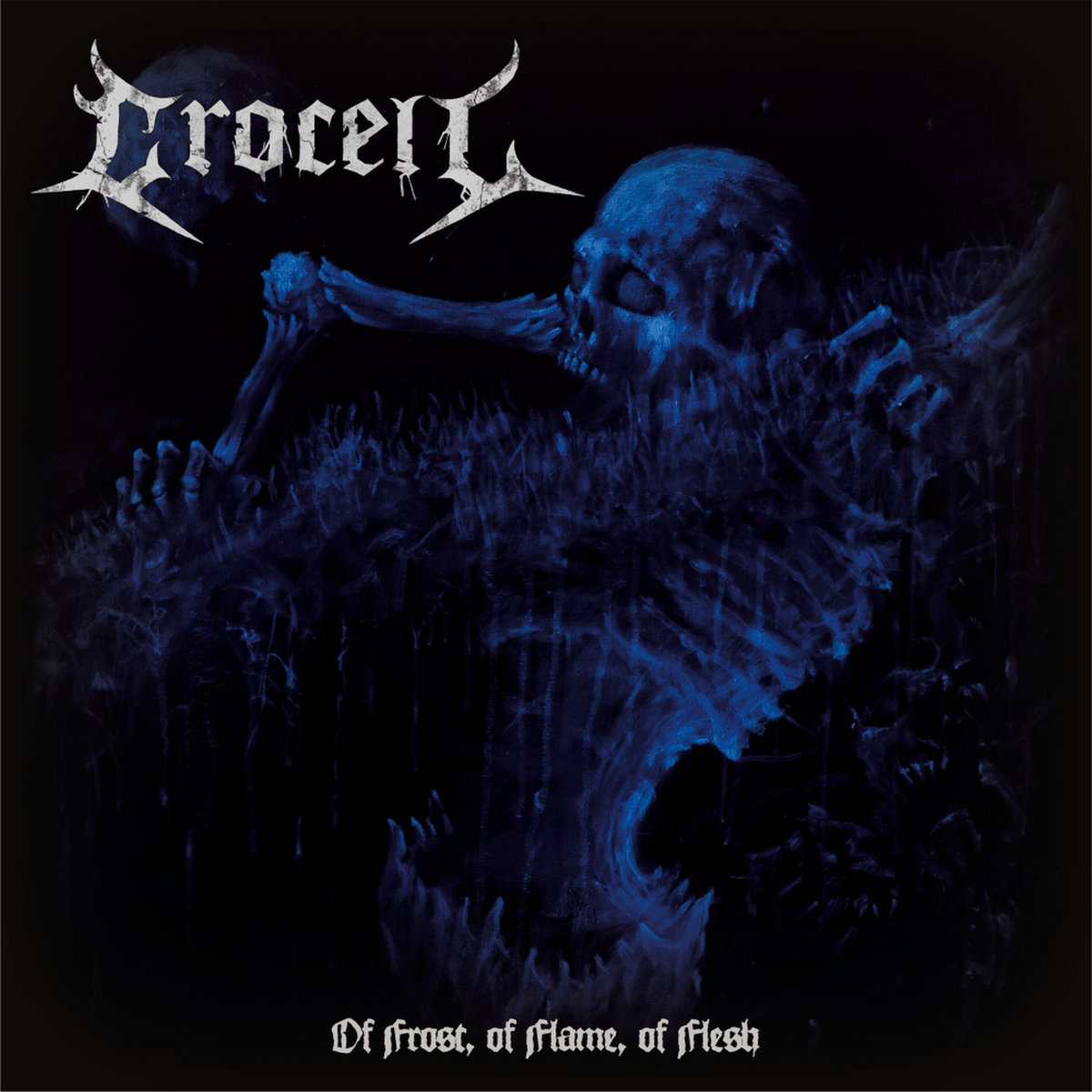
At The Gates helped establish the template that countless melodic death metal bands still follow today. Their influence extends across the global scene, inspiring acts from Finland's Crocell to emerging bands worldwide who blend melodic sensibilities with death metal brutality. The challenge now lies in maintaining that creative spark while processing grief and adapting to new realities.
Björler's interviews reveal the complex emotional landscape bands must navigate when personal loss intersects with professional obligations. Unlike Megadeth's interpersonal conflicts, At The Gates confronts the ultimate finality of death, forcing remaining members to reimagine their creative process while honoring their departed friend's contributions.
The Broader Pattern of Metal Legacy Management
These parallel stories illuminate a broader trend affecting the World metal scene as pioneering bands from the 1980s and 1990s confront mortality, both literal and figurative. Iron Maiden's Adrian Smith recently reflected on their 50th anniversary, marveling at how quickly time has passed, while Slayer commemorates 40 years since "Hell Awaits" through special reissue campaigns.
The contrast between celebration and conflict is stark. While some 80s metal bands like Iron Maiden maintain unity and continue touring successfully, others struggle with unresolved tensions that explode decades later. The Megadeth situation demonstrates how unaddressed conflicts can metastasize over time, eventually demanding public reckoning.
For younger bands and new metal bands 2026 should observe, these developments offer crucial lessons about internal communication, public relations, and long-term relationship management. The metal community's collective memory is long, and social media ensures that past statements and conflicts remain permanently accessible for scrutiny and contradiction.
Industry-Wide Implications for Authenticity
The simultaneous emergence of these conflicts and commemorations reflects metal's ongoing struggle with authenticity versus commercial success. Bands like KISS continue packaging nostalgia through cruise experiences, while acts like Nevermore focus on artistic reunion and creative renewal. The spectrum ranges from pure commerce to pure art, with most bands finding their own balance point.
Frozen Soul's collaboration with Magic: The Gathering represents another approach entirely—strategic cross-pollination that expands metal's cultural footprint without compromising musical integrity. Their "Deathweaver" single demonstrates how best death metal bands can engage with broader entertainment culture while maintaining genre credibility.
This diversity of approaches suggests that the modern metal landscape can accommodate multiple strategies for career sustainability and artistic expression. What matters most is consistency between stated values and actual actions—something that both Megadeth's critics and At The Gates' tribute efforts illustrate from opposite directions.
The Role of Documentation and Truth-Telling
Chris Poland's forthcoming book represents part of a broader trend toward musician-authored accounts that challenge official band histories. These efforts parallel academic metal studies and fan-driven documentation projects that prioritize accuracy over mythology. The metal community increasingly demands substantiated claims rather than accepting promotional narratives uncritically.
This shift toward evidence-based discourse reflects metal's maturation as both an artistic medium and cultural phenomenon. Younger musicians entering the scene inherit both the music and the accumulated historical record, including unresolved disputes and competing interpretations of past events.
For regional scenes worldwide, these developments underscore the importance of maintaining accurate local documentation. Whether covering underground death metal in Brazil, black metal innovation in Norway, or thrash revival movements globally, contemporary metal journalism must balance respect for legacy acts with commitment to factual accuracy.
Looking Forward: Lessons for Metal's Future
As metal bands touring 2026 plan their campaigns and best metal albums of all time receive anniversary treatments, the Megadeth controversy and At The Gates tribute serve as contrasting models for handling band history and member relationships. One approach breeds ongoing conflict and public disputes, while the other channels loss into creative renewal and collaborative strength.
The metal community's response to these developments will shape how future conflicts and challenges are addressed. Supporting transparent dialogue while maintaining respect for artistic legacy requires careful balance, but metal fans have consistently demonstrated their ability to navigate complex emotional terrain while maintaining scene integrity.
For bands at every level, from international headliners to local acts building their first audiences, these stories provide essential guidance about the long-term consequences of interpersonal decisions. Metal's intensity extends beyond musical expression into personal relationships, and the most successful acts find ways to channel that energy constructively rather than destructively.
The coming months will reveal whether Megadeth can address these challenges constructively or whether the conflicts will continue escalating. Meanwhile, At The Gates' new material will demonstrate whether tragedy can indeed fuel transcendent artistic expression. Both outcomes will influence how metal's next generation approaches similar challenges in their own careers.