Metal's Crossover Renaissance Unleashes Unexpected Collaborations While Genre Legends Continue Vocal Evolution
The metal landscape is experiencing an unprecedented wave of genre-blending collaborations that would have seemed impossible just a few years ago. From established death metal acts partnering with emo icons to nu-metal pioneers connecting with professional athletes, the boundaries between heavy music and mainstream culture continue to dissolve in fascinating ways.
Death Metal Meets Emo: When Genres Collide on Stage
The most striking example of this crossover phenomenon emerged recently when Gerard Way, the theatrical frontman of My Chemical Romance, joined Texas death metal outfit Frozen Soul during their Los Angeles performance. This unexpected pairing represents more than just a novelty collaboration—it signals a broader acceptance of genre fluidity within the heavy music ecosystem.
Frozen Soul has been steadily building their reputation in the death metal underground with their crushing, old-school approach to the genre. Their ability to attract high-profile collaborators like Way demonstrates how best death metal bands are increasingly willing to experiment beyond traditional boundaries while maintaining their core sonic identity. The collaboration isn't entirely surprising given both acts' shared appreciation for horror aesthetics and theatrical presentation, but it showcases how different generations of heavy music can find common ground.
This type of cross-pollination could inspire similar experiments across the World metal scene, particularly among acts looking to expand their reach without compromising their artistic vision. For emerging bands in similar territories, acts like Nimroth and Slaggg represent the kind of authentic death metal foundation that makes such collaborations possible.
Nu-Metal's Athletic Connection: Korn's Sports Stadium Success
Meanwhile, Korn's relationship with professional baseball has highlighted another unexpected avenue for metal's mainstream integration. When San Diego Padres pitcher Mason Miller chose "Blind" as his entrance music, the band responded with genuine appreciation, sending a substantial care package to acknowledge the athlete's musical choice.
This interaction reveals how nu-metal's influence has permeated American sports culture in ways that extend far beyond the genre's late-90s commercial peak. "Blind" remains one of Korn's most visceral tracks, and its adoption as walk-up music demonstrates the song's enduring power to energize and intimidate. The band's gracious response also shows how veteran acts can nurture these organic cultural connections without appearing desperate for relevance.
The sports-metal connection has precedent, but seeing it acknowledged so directly by the artists themselves suggests that metal bands touring 2026 might increasingly find opportunities to connect with audiences through non-traditional channels. Professional sports venues could become unexpected promotional partners for heavy music, particularly as younger athletes who grew up with nu-metal reach professional levels.
Vocal Mastery and Progressive Evolution
While crossover collaborations grab headlines, the technical aspects of metal performance continue evolving through veteran expertise. Geoff Tate's recent reflections on discovering his vocal range early in life provide insight into how metal's most distinctive voices develop their signature approaches. His emphasis on early discovery and natural development contrasts with the more systematic vocal training that many contemporary metal singers pursue.
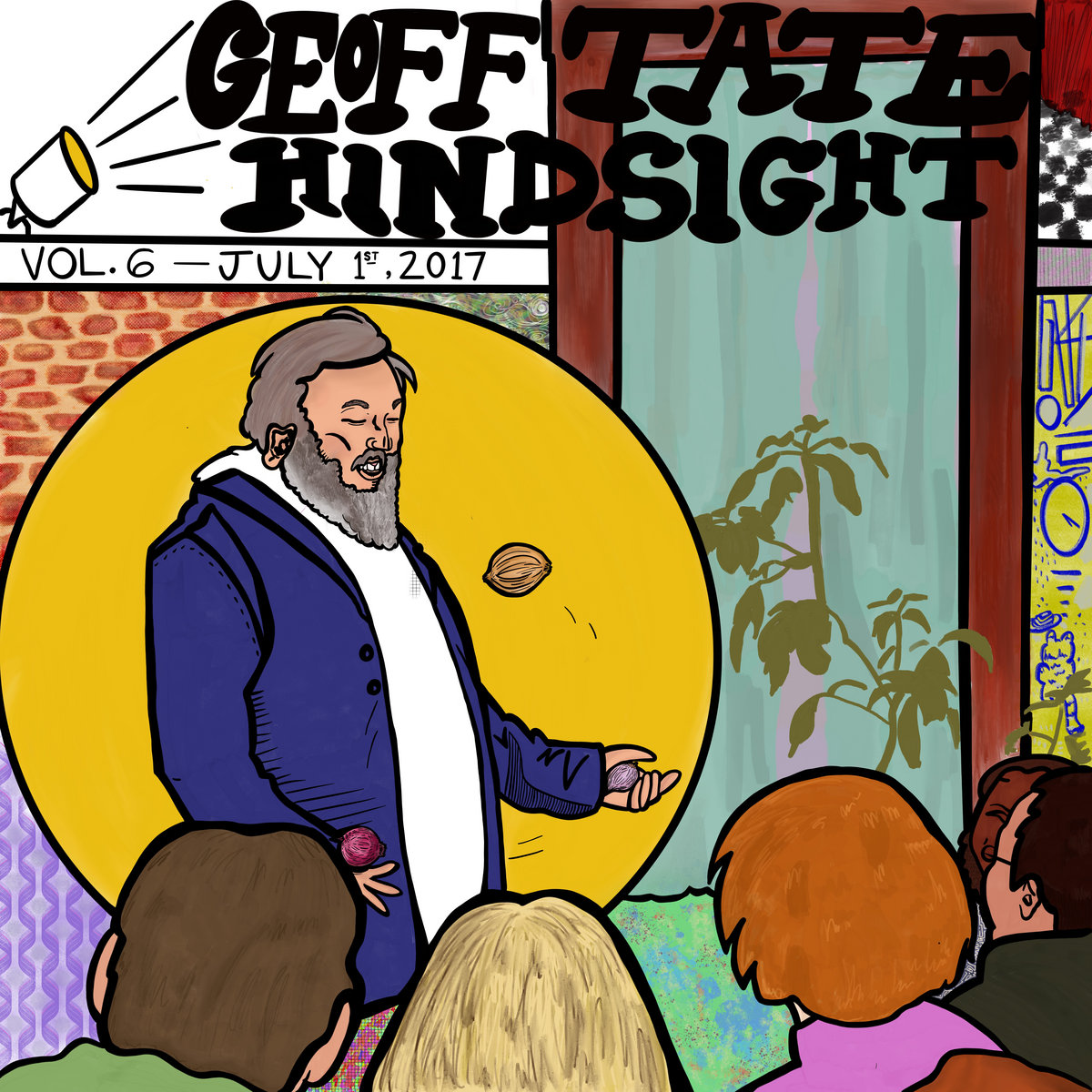
Tate's influence extends far beyond his Queensrÿche tenure, inspiring countless progressive and power metal vocalists to push their technical boundaries while maintaining emotional connection. His approach to vocal development—emphasizing natural range discovery over forced technique—offers valuable guidance for emerging singers in the scene. This philosophy aligns well with the approach taken by many traditional heavy metal acts, including established bands like AGE, who prioritize authentic expression over technical showmanship.
The progressive metal community continues benefiting from this emphasis on vocal evolution, as singers understand that longevity requires both technical skill and intelligent range management. This knowledge becomes particularly crucial as new metal bands 2026 develop their sound and establish their identity within increasingly competitive landscapes.
European Technical Death Metal Expansion
The announcement of Archspire's European tour with Crown Magnetar, The Zenith Passage, and Analepsy represents another significant development in metal's global expansion. This Canadian technical death metal powerhouse has built their reputation on impossibly precise musicianship and relentless speed, making them ideal ambassadors for North American extreme metal in European markets.
Archspire's touring strategy demonstrates how technical death metal can achieve international success through pure musical excellence rather than gimmickry or controversy. Their inclusion of supporting acts spanning different extreme metal subgenres shows sophisticated understanding of European metal audiences, who typically appreciate both technical prowess and stylistic diversity within single concert experiences.
This European expansion mirrors broader trends in extreme metal touring, where best metal albums of all time continue inspiring new generations of technical musicians. The tour's success could encourage other North American extreme metal acts to pursue similar international strategies, potentially opening new markets for technical death metal broadly.
Legacy Acts Navigate Modern Landscapes
Savatage's anticipated return to American stages represents another crucial development for progressive metal's elder statesmen. Chris Caffery's comments about the band's successful South American and European performances suggest that carefully planned reunion strategies can generate authentic enthusiasm rather than nostalgic cash grabs.
The band's approach—focusing on international markets before returning to their American base—shows sophisticated understanding of how legacy acts can rebuild momentum in the streaming era. Rather than assuming domestic audiences will automatically embrace their return, they're earning their comeback through strong performances in markets where their influence remained strong.
This strategy could provide a template for other veteran progressive and power metal acts considering similar comebacks. The emphasis on proving themselves internationally before domestic return demonstrates respect for both their music and their audiences, qualities that often separate successful reunions from disappointing attempts to recapture past glory.
North American Metalcore Continues Momentum
Killswitch Engage's announcement of additional North American dates reflects metalcore's continued strength in its home territory. The band's consistent touring schedule and ability to headline substantial venues demonstrates how established metalcore acts maintain relevance through persistent engagement with their core audience.
Their approach—combining technical proficiency with accessible songwriting—continues influencing younger bands across multiple heavy music subgenres. The band's longevity proves that metalcore can sustain careers when bands prioritize musical evolution over trend-chasing, offering guidance for emerging acts in similar stylistic territories.
Thrash Metal's Documentary Legacy
Testament's release of their "Thrash Of The Titans" tour documentary provides valuable insight into how veteran thrash acts can leverage their touring experiences for broader promotion. The inclusion of Overkill and Destruction in the tour created authentic thrash metal events that satisfied longtime fans while introducing the music to newer audiences.
This documentary approach allows bands to extend their touring investment beyond immediate ticket sales, creating lasting promotional content that can attract future audiences. For a genre built on live energy and community connection, these documentary glimpses into touring life provide crucial context that studio recordings alone cannot convey.
The success of such multi-generational thrash tours suggests continued appetite for authentic 80s metal bands and their modern inheritors, particularly when presented as educational and entertaining experiences rather than pure nostalgia exercises.
Looking Forward: Metal's Expanding Possibilities
These diverse developments—from unexpected collaborations to strategic reunions to documentary projects—demonstrate metal's remarkable adaptability in contemporary cultural landscapes. The genre's ability to maintain its core intensity while embracing new promotional strategies and creative partnerships suggests a healthy future for heavy music across all subgenres.
As we move deeper into 2026, the metal community's willingness to experiment with format and presentation while preserving authentic musical values provides a template for sustainable artistic evolution. Whether through crossover collaborations, athletic endorsements, or carefully planned comeback tours, metal continues proving its relevance to new audiences while satisfying its dedicated core community.
For emerging artists and established veterans alike, these examples demonstrate that success in modern metal requires both musical excellence and creative thinking about audience engagement. The genre's future appears to lie not in rigid adherence to traditional promotion methods, but in intelligent adaptation that honors metal's authentic spirit while embracing contemporary opportunities for connection and growth.