Death Metal Archives and Emotional Comebacks Shape Metal's Reflective Renaissance as Veterans Embrace Second Chances
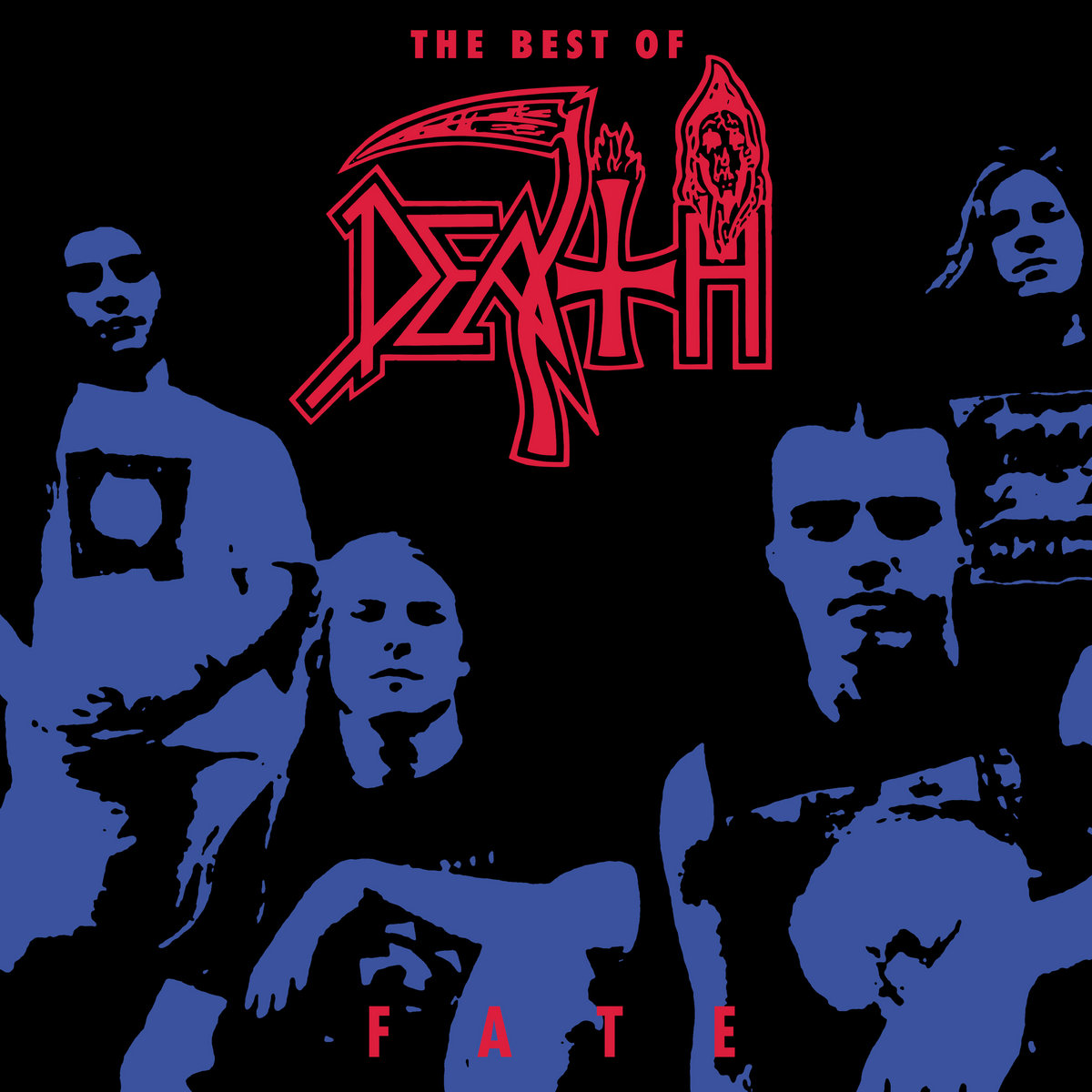
The metal world is entering a profound period of reflection and renewal, as longtime veterans reconsider career decisions while underground acts preserve the genre's darkest chapters for future generations. From unexpected returns to carefully curated reissues, the current landscape reveals how metal artists are approaching legacy, mortality, and artistic permanence with newfound wisdom.
The Art of the Un-Retirement
Perhaps no story better illustrates metal's evolving relationship with finality than the recent revelations from two veteran musicians who've stepped back from previous retirement announcements. The concept of the "farewell" has become increasingly fluid in heavy music, as artists grapple with the tension between creative fulfillment and the physical demands of touring life.
Korn bassist Fieldy's candid discussions about stepping away from the band reveal how external circumstances can fundamentally alter career trajectories. His honest assessment that "COVID happened. That's it" reflects a broader truth about how global events forced many musicians to reevaluate their priorities and relationships with their craft. The pandemic created an unexpected pause that allowed many artists to step back and consider whether they were touring and recording out of passion or mere momentum.
Similarly, Candlebox frontman Kevin Martin's decision to reverse his retirement plans highlights how creative artists often underestimate their continued need for artistic expression. His admission that he "still has things to talk about and sing about" speaks to the fundamental drive that separates career musicians from those who view music as simply a job. The best heavy metal songs often emerge from this kind of renewed creative urgency, when artists realize they're not quite finished exploring their artistic depths.
Industrial Innovation and Cross-Genre Evolution
While veterans reconsider their career arcs, newer projects are pushing genre boundaries in fascinating ways. Verona On Venus, the industrial metal project from former DevilDriver guitarist Mike Spreitzer, represents the kind of creative evolution that occurs when established musicians step outside their comfort zones. Their recent live debut of "Even Hell" at Bar Sinister demonstrates how metal continues to absorb influences from electronic and industrial music.
This cross-pollination reflects a broader trend where new metal bands 2026 are less concerned with genre purity than their predecessors. The industrial metal fusion happening in projects like Verona On Venus shares common ground with bands like Grenouer, who similarly blend death, industrial, and thrash elements into something distinctly modern yet rooted in metal tradition.
Archive Culture and Historical Preservation
The announcement of Oathbreaker's remastered "Rheia Redux" through Deathwish Inc. represents another crucial trend: metal's increasing commitment to preserving and revisiting its catalog. This archival impulse goes beyond simple nostalgia; it reflects a mature understanding of how metal's history deserves the same careful curation as other art forms.
Remastered releases serve multiple purposes in today's metal ecosystem. They introduce classic albums to new listeners who might have missed them initially, provide superior audio quality for longtime fans, and often include bonus material that offers insight into the creative process. The fact that Oathbreaker chose to revisit "Rheia" specifically suggests an understanding of which works in their catalog have achieved lasting significance.
This preservation mentality extends to bands across the genre spectrum. Black metal acts like Maeror and Inherits the Void understand that atmospheric black metal's artistic achievements deserve careful documentation, while death metal bands recognize that their technical innovations need proper archival treatment to maintain their impact.
Festival Culture and Cross-Media Integration
The growing intersection between metal bands and trading card culture represents a fascinating evolution in fan engagement. When companies begin organizing signings with acts like Fit For A King and The Ghost Inside across festival circuits, it signals how metal culture is adapting to diverse revenue streams and fan interaction models.
This development reflects broader changes in how metal bands connect with audiences. Traditional merchandise sales remain important, but bands increasingly explore partnerships that create unique fan experiences. The trading card connection might seem unusual, but it taps into the same collector mentality that drives vinyl sales and limited-edition releases.
Festival season has become the primary showcase for these innovative partnerships. Metal bands touring 2026 are finding that festival appearances offer opportunities for experimentation that traditional venue tours might not accommodate. The condensed, high-energy environment of festivals creates ideal conditions for trying new approaches to fan engagement.
Technical Innovation and Venue Evolution
While not strictly metal, Sammy Hagar's decision to pursue "tech-forward" venues for his UK tour reflects broader industry trends that affect all genres of heavy music. The integration of advanced audio and visual technology into live performances has become increasingly important as bands compete for audience attention in an oversaturated market.
Metal bands are particularly well-positioned to benefit from these technological advances. The genre's emphasis on sonic intensity and visual spectacle aligns perfectly with venues equipped for immersive experiences. Doom metal acts like Resonaut and The Lone Madman could particularly benefit from venues that emphasize audio clarity and atmospheric lighting.
South American Metal's Ongoing Legacy
Sepultura's continuing farewell tour serves as a reminder of South America's massive contribution to global metal. The Brazilian thrash legends' extended goodbye reflects the complex emotions surrounding career endings for bands that helped establish entire regional metal scenes. Their influence extends far beyond their own recordings, having inspired countless bands across multiple continents.
The extended nature of their farewell tour, potentially concluding in late 2026, demonstrates how significant metal bands must balance their own artistic closure with fan expectations and cultural responsibilities. Sepultura represents more than just a band; they're cultural ambassadors for Brazilian heavy music, and their ending marks the conclusion of a specific era in metal history.
Underground Persistence and Regional Scenes
Beneath these high-profile developments, underground metal continues its relentless evolution. Bands like Squid Pisser announcing west coast tours with names like "Internal Violence Tour" represent the genre's continuing commitment to provocative, uncompromising artistic expression. These smaller-scale tours often provide the experimental space where metal's next innovations emerge.
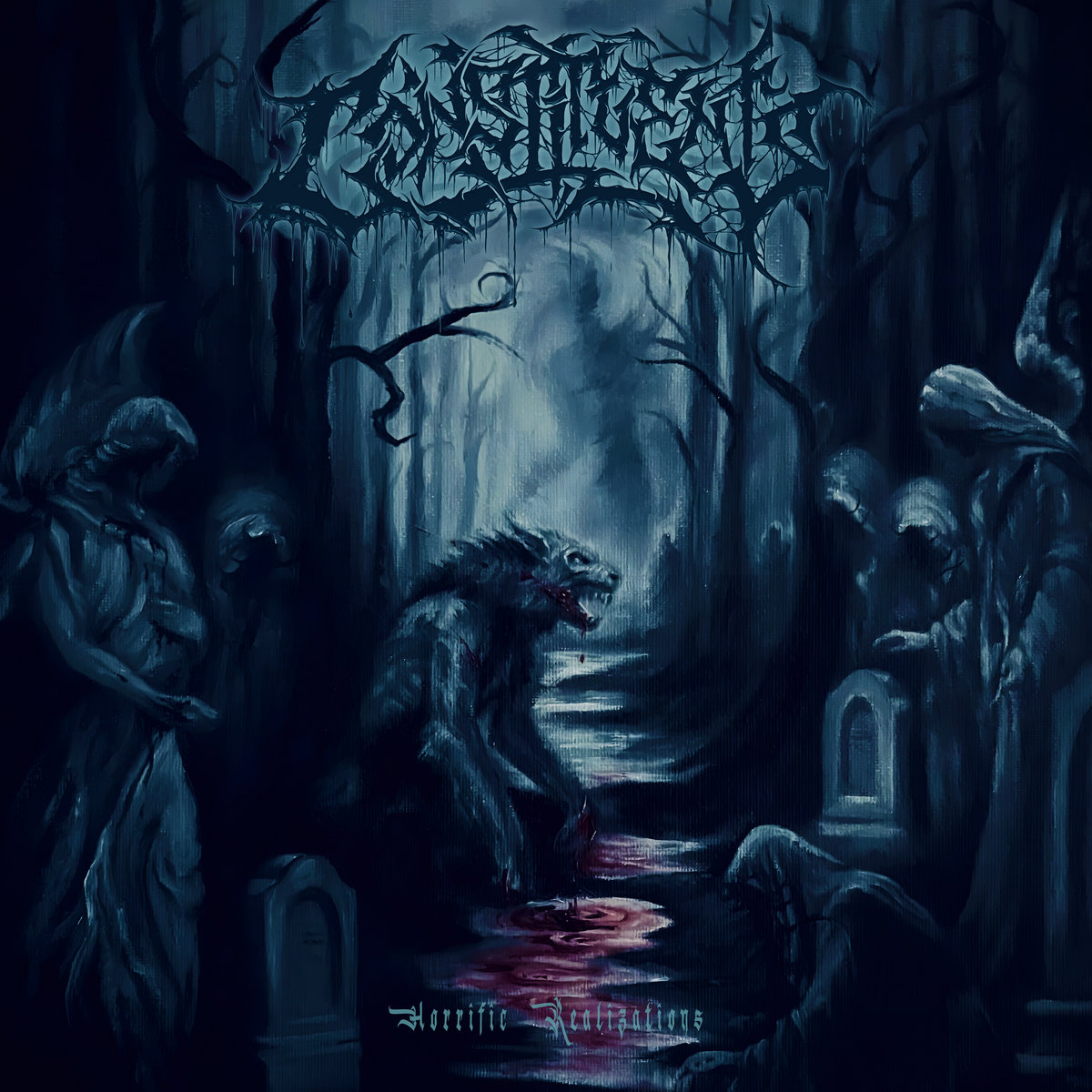
The world metal scene benefits enormously from this underground persistence. While major-label acts and veteran bands capture headlines, the constant churning of smaller acts ensures that metal remains vital and unpredictable. Grindcore acts like Constituents and Mordor Ruido keep the genre's most extreme elements alive and evolving.
Looking Forward: Metal's Mature Phase
The current metal landscape suggests a genre entering a mature phase of its development. Rather than simply pushing for heavier or faster extremes, many acts are focusing on emotional depth, technical precision, and cultural preservation. This maturity doesn't mean metal is becoming conservative; instead, it reflects a confident genre that understands its own history and can make informed decisions about its future.
The combination of veteran wisdom, archival consciousness, and continued underground innovation creates ideal conditions for metal's continued evolution. As bands become more strategic about career decisions and more thoughtful about their artistic legacies, the genre benefits from both increased professionalism and maintained creative fire.
This balance between reflection and forward momentum defines metal's current moment. Whether through un-retirements, remastered releases, or innovative fan engagement strategies, metal continues proving that longevity and innovation can coexist. The best death metal bands of the current era understand that preserving the genre's past and pushing toward its future aren't competing priorities—they're complementary aspects of metal's ongoing evolution.