Classical Sophistication Meets Metal's Golden Era as Gothenburg Orchestra Honors Swedish Legacy While Judas Priest Eyes '80s Revival
The intersection of high art and heavy metal reached unprecedented heights this week as the Gothenburg Symphony Orchestra announced their ambitious "The Gothenburg Sound" concert series, dedicating orchestral arrangements to the pioneering melodic death metal works of In Flames, At The Gates, and Dark Tranquillity. This remarkable cultural validation of Swedish extreme metal comes at a moment when metal's classical foundations are gaining renewed appreciation across the global scene.
Orchestral Majesty Validates Swedish Metal Innovation
The Gothenburg Symphony Orchestra's decision to interpret Swedish melodic death metal represents more than mere novelty—it signals a profound recognition of these compositions' inherent musical sophistication. The "Gothenburg Sound" shows will transform the aggressive complexity of songs like At The Gates' "Slaughter of the Soul" and In Flames' "Colony" into symphonic statements, likely revealing harmonic and melodic structures that casual listeners might miss beneath the distortion and blast beats.
This orchestral treatment validates what metal scholars have long argued: that the best death metal bands operate with compositional complexity rivaling any classical masters. The melodic death metal pioneers from Gothenburg created intricate musical architectures that translate seamlessly to symphonic interpretation, proving their enduring artistic merit beyond their subcultural origins.
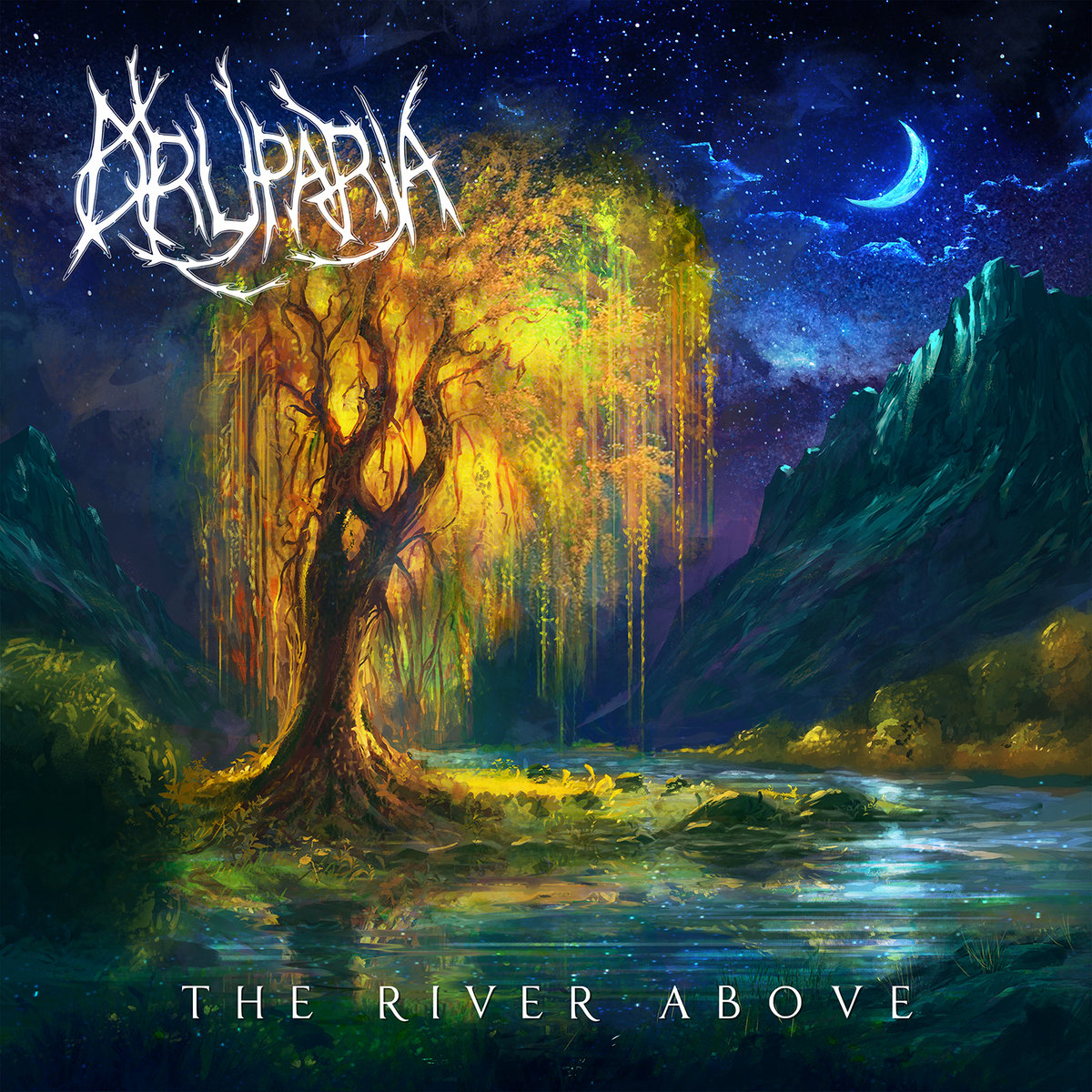
For the broader World metal scene, this development suggests increasing cultural legitimacy. When prestigious classical institutions embrace metal compositions, it removes barriers that have historically separated heavy music from academic and cultural establishments. Local death metal acts like Druparia and progressive metal innovators like Cupola can draw inspiration from this validation, knowing their complex compositions deserve serious artistic consideration.
Judas Priest's Richie Faulkner Champions Golden Era Revival
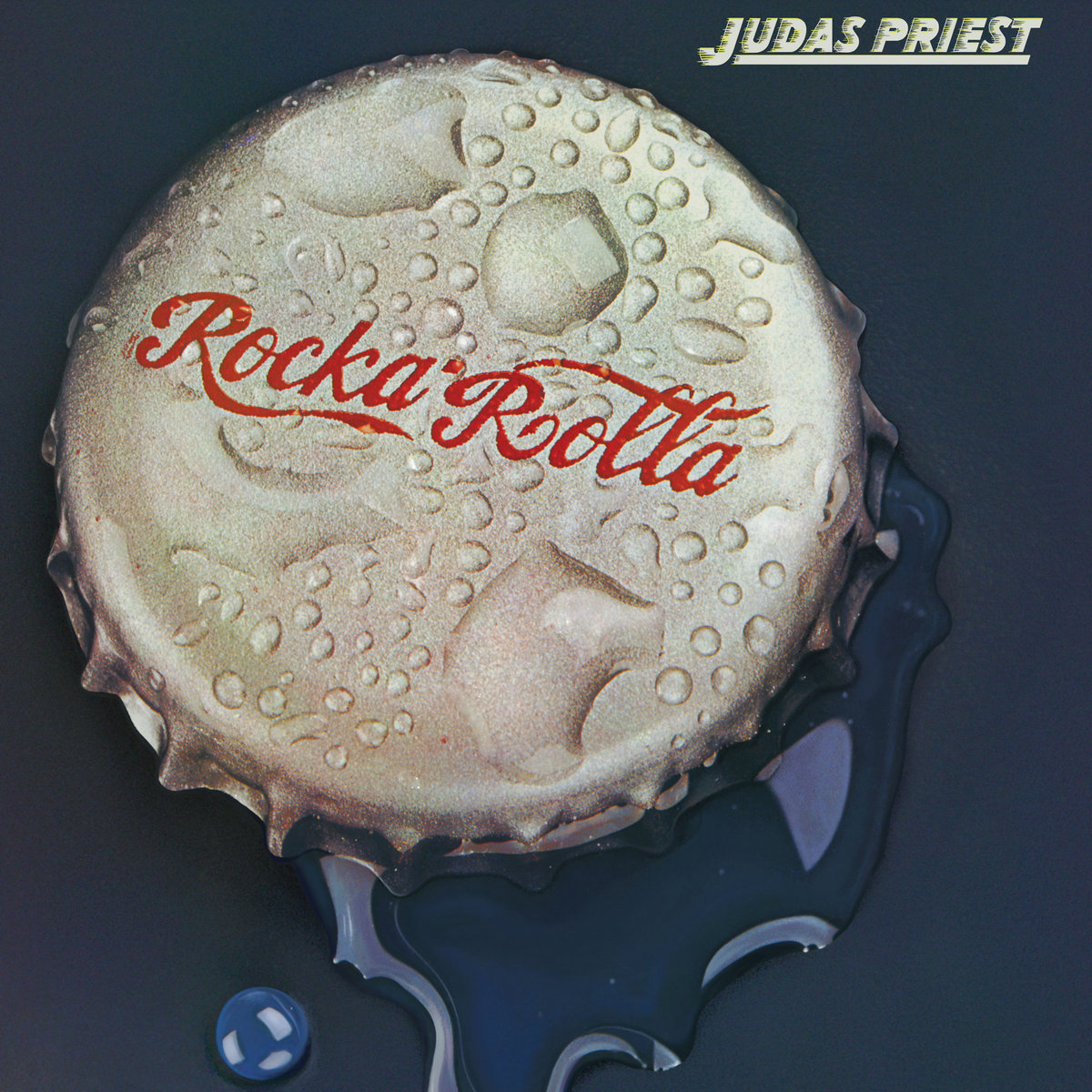
While classical institutions honor metal's complexity, Judas Priest guitarist Richie Faulkner advocates for celebrating metal's most influential period. His desire to focus upcoming tours around "Screaming for Vengeance" and "Defenders of the Faith" reflects growing recognition that the early 1980s represented heavy metal's creative peak—when the genre established foundational elements that continue defining excellence today.
Faulkner's vision acknowledges these albums as pinnacle achievements where 80s metal bands perfected the balance between accessibility and complexity. "Screaming for Vengeance" and "Defenders of the Faith" contain some of the best heavy metal songs ever recorded, featuring Rob Halford's unparalleled vocal range alongside guitar work that influenced generations of metal musicians worldwide.
This retrospective approach contrasts sharply with metal's typical forward-momentum philosophy, suggesting that current artists and audiences recognize the need to honor foundational works. For contemporary acts, Faulkner's emphasis on these best metal albums of all time provides a masterclass in songwriting excellence that transcends generational boundaries.
Cross-Genre Collaborations Expand Metal's Artistic Reach
Beyond classical validation, metal's collaborative spirit continues expanding through unexpected partnerships. Tarja Turunen's collaboration with Cradle of Filth's Dani Filth on "I Don't Care" demonstrates how veteran metal artists leverage their established careers for creative exploration. This partnership between the former Nightwish vocalist and Britain's theatrical black metal icon creates opportunities for crossover appeal while maintaining artistic integrity.
Such collaborations benefit the entire metal ecosystem by introducing audiences to artists they might never encounter otherwise. Tarja's fanbase gains exposure to Cradle of Filth's dramatic extremity, while Dani Filth's followers discover operatic metal sophistication. These exchanges strengthen metal's internal diversity while proving that genre boundaries enhance rather than limit creative possibilities.
The collaborative trend extends beyond individual partnerships into institutional support. SUMAC's announcement of West Coast Canadian shows demonstrates how regional metal scenes maintain vitality through consistent touring, ensuring that experimental post-metal and doom metal maintain dedicated audiences despite their challenging nature.
Studio Innovation Drives Creative Evolution
Prong's Tommy Victor revealed that their upcoming album will be "faster" and "more diverse" than "State of Emergency," indicating that veteran acts continue pushing creative boundaries rather than settling into comfortable formulas. This commitment to evolution distinguishes authentic metal artists from those merely exploiting established success.
Victor's description suggests Prong will accelerate their already intense crossover thrash approach while incorporating unexpected elements—a strategy that keeps long-running bands relevant for contemporary audiences without abandoning core identity. Such innovation proves that metal's most respected acts maintain creative hunger decades into their careers.
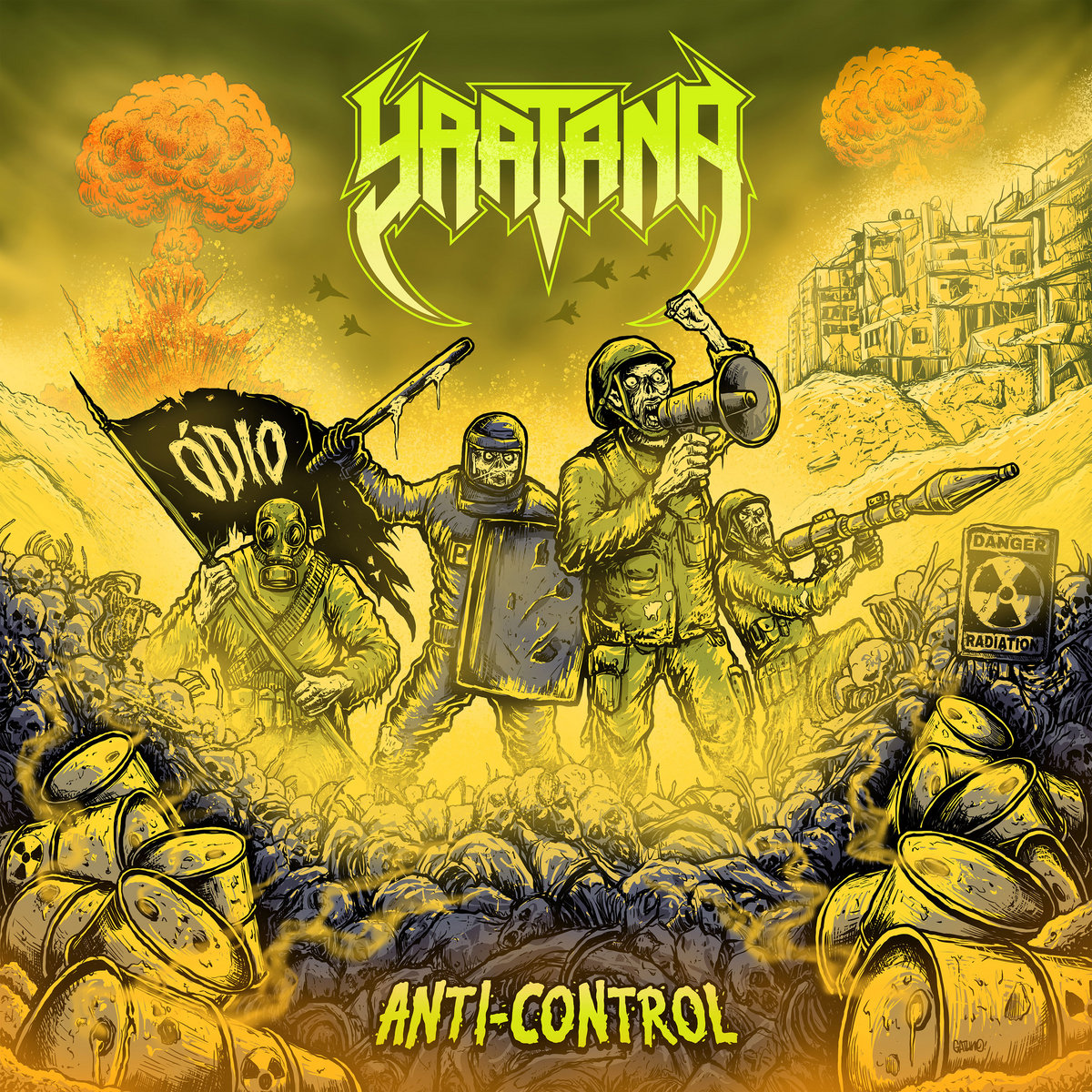
For emerging artists, this dedication to continuous evolution provides crucial guidance. Rather than replicating successful formulas endlessly, authentic metal development requires constant experimentation and risk-taking. Local thrash acts like Yaatana can learn from Prong's example, understanding that longevity demands artistic courage rather than commercial calculation.
Memorial Tributes and Industry Momentum
The metal community continues honoring lost pioneers through memorial initiatives like "Lemmy's Lounge" at the 2026 Rock For Ronnie concert. These tributes serve dual purposes: celebrating individual contributions while reinforcing metal's collective identity and values. Memorial events create opportunities for cross-generational connection, allowing younger fans to understand metal's historical development through personal stories and rare performances.
Six Feet Under's continued activity after 33 years demonstrates death metal's remarkable sustainability when bands maintain authentic vision rather than chasing trends. Chris Barnes' unwavering commitment to his particular death metal approach proves that consistent quality and artistic honesty create lasting careers, even when commercial fashions shift dramatically.
Summer Touring Landscape Takes Shape
As metal bands touring 2026 announce their summer plans, The Sword and Red Fang's co-headlining tour represents strategic partnership between complementary acts. Both bands operate within doom and stoner metal territories while maintaining distinct identities, creating ideal touring synergy that benefits audiences and artists equally.
These touring announcements indicate robust health for heavy music live performance, suggesting that metal's touring economy continues thriving despite broader entertainment industry challenges. For local doom metal acts like Bigg Men and sludge metal practitioners like Menials, such high-profile touring activity creates opportunities for support slots and festival appearances.
The diversity of announced tours—from Prong's crossover thrash to SUMAC's experimental post-metal—demonstrates metal's broad appeal and commercial viability across multiple subgenres. This variety ensures that new metal bands 2026 have numerous examples of successful career strategies, whether pursuing mainstream accessibility or underground authenticity.
As metal's cultural legitimacy grows through classical validation and its creative vitality continues through veteran innovation, the global heavy music scene enters a period of unprecedented opportunity and artistic recognition. From Gothenburg's orchestral halls to basement clubs worldwide, metal's influence continues expanding while its core values remain uncompromised.