Experimental Chaos Returns as Avant-Garde Metal Masters Embrace Complex Reunion Strategies
The avant-garde metal underground is experiencing a remarkable resurgence as experimental pioneers return from extended hiatuses with sophisticated strategies that extend far beyond simple reunion tours. From theatrical chaos to death metal brutality, genre-defying acts are proving that complex musical approaches demand equally complex comeback methodologies.
Sleepytime Gorilla Museum's Calculated Chaos Strategy
The return of Sleepytime Gorilla Museum represents more than nostalgia—it signals experimental metal's growing confidence in its commercial viability. Their newly announced US tour coincides with strategic vinyl reissues of early material, demonstrating how avant-garde acts can leverage physical media collectors' enthusiasm while building momentum for live performances.
This theatrical chaos ensemble's approach reflects broader changes in how experimental metal bands structure comebacks. Rather than relying solely on touring revenue or digital releases, they're creating multiple revenue streams that acknowledge their cult status while expanding accessibility. The vinyl reissues serve longtime devotees who missed original pressings, while the tour introduces their elaborate stage performances to audiences who may have discovered them through later digital availability.
The timing suggests experimental metal's infrastructure has matured significantly. Venues now exist specifically for avant-garde performances, audiences understand theatrical metal presentations, and distribution networks can handle limited-edition physical releases without the gatekeeping that previously restricted experimental acts' commercial options.
Death Metal's Relapse Records Expansion
While experimental acts refine comeback strategies, death metal's underground continues expanding through strategic label partnerships. Undeath's signing to Relapse Records demonstrates how established extreme metal labels are identifying and developing emerging brutality. Their promise of their "fastest and darkest" material yet suggests death metal's competitive intensity drives continuous escalation.
This signing pattern reflects death metal's healthy ecosystem where underground acts can progress from self-released demos to established label support without compromising artistic integrity. Arcane Dread and similar death metal acts worldwide benefit from this infrastructure, where labels like Relapse provide distribution and promotion while respecting creative autonomy.
The emphasis on speed and darkness indicates death metal's ongoing evolution toward technical extremity. Unlike other metal genres that occasionally embrace accessibility, death metal's core audience rewards increased complexity and intensity, creating market incentives for bands to push creative boundaries rather than simplify their approach.
Hardcore's Five-Year Evolution Cycles
Quicksand's announcement of their first album in five years, "Bring On The Psychics," illustrates how post-hardcore veterans navigate extended creative periods. This timeline suggests mature acts prioritize artistic development over frequent releases, allowing substantial evolution between recording cycles.
The five-year gap represents thoughtful creative planning rather than inactivity. Post-hardcore's emotional intensity requires authentic inspiration, and established acts can afford extended development periods that younger bands cannot. This patient approach often produces stronger material, as evidenced by the anticipation surrounding Quicksand's return.
Their approach influences how other experimental acts structure careers. Rather than maintaining constant visibility through frequent releases, veteran experimental acts can disappear for substantial periods, then return with focused creative statements that justify the absence. This model works particularly well for genres where artistic authenticity trumps commercial consistency.
Gaming Culture's Metal Integration
Korn's surprise release "Reward The Scars" through the Diablo IV soundtrack demonstrates how gaming culture has become a legitimate creative platform for established metal acts. This marks their first new music in over four years, suggesting they view gaming partnerships as worthy of breaking creative silence.
The Diablo franchise's dark fantasy themes align naturally with metal's aesthetic sensibilities, creating authentic collaborations rather than forced commercial partnerships. This integration benefits both industries: games gain credible metal soundtracks while bands access dedicated gaming audiences who appreciate elaborate world-building and thematic depth.
For groove metal acts like Illa, gaming partnerships represent potential creative opportunities that didn't exist during earlier career phases. The success of metal-gaming collaborations creates new revenue streams and audience development strategies for contemporary acts across all metal subgenres.
Anniversary Celebration Strategies
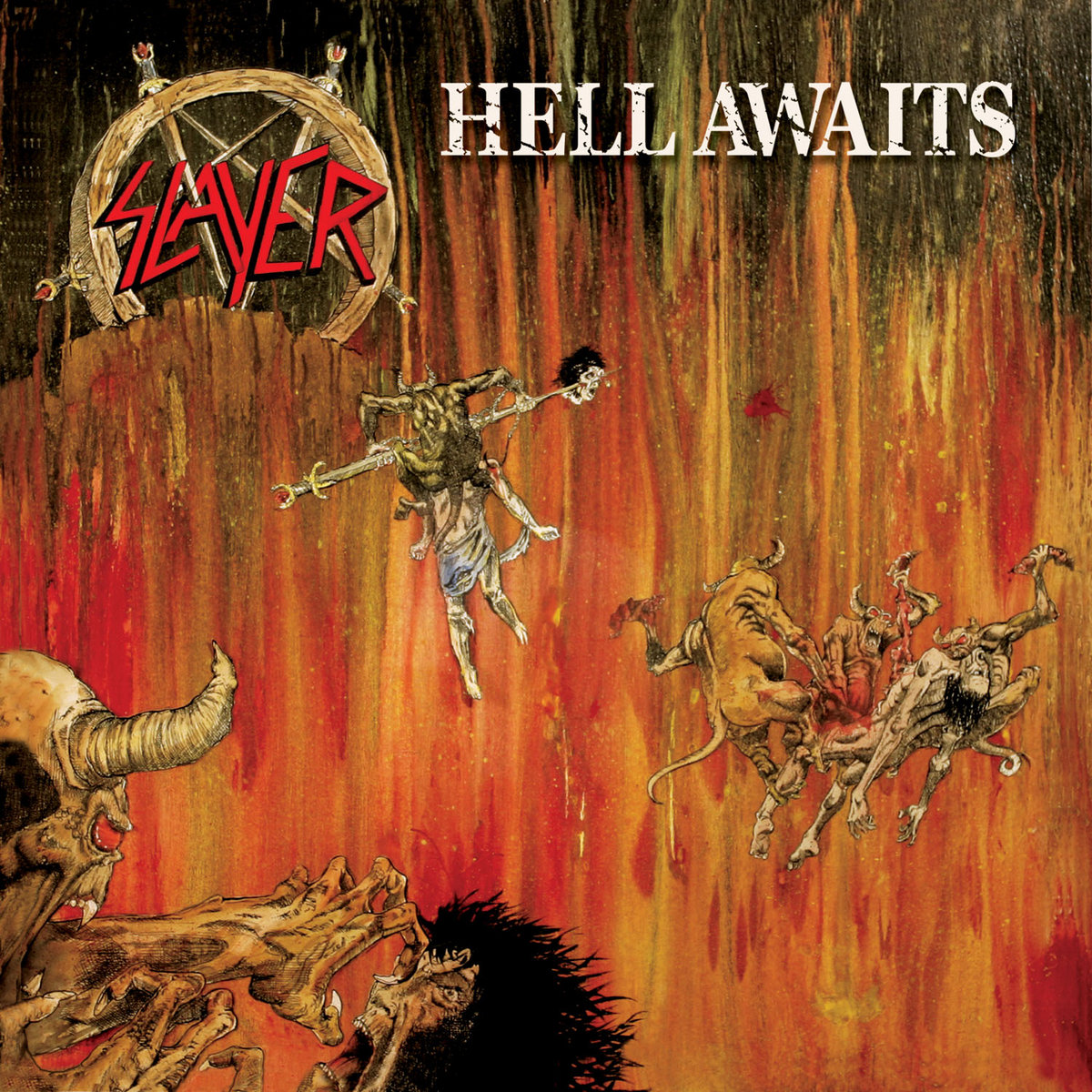
Slayer's addition of a second Los Angeles date for their "Reign In Blood" 40th-anniversary celebration demonstrates how legendary albums can generate sustained commercial interest decades after release. The "overwhelming demand" that necessitated the additional show proves classic thrash metal maintains devoted audiences willing to pay premium prices for anniversary experiences.
This anniversary approach influences how current thrash acts like Maelstrom and Gammacide consider their own catalog development. Creating albums worthy of eventual anniversary celebrations requires long-term artistic planning and commitment to craftsmanship that transcends immediate commercial pressures.

The economic success of anniversary tours also validates metal's cultural significance. When tickets sell out during presales, it demonstrates that metal albums have achieved genuine cultural artifact status, justifying museums, documentaries, and academic study alongside commercial celebration.
Rainbow Tribute Album Legitimacy
The upcoming "Ride The Rainbow" tribute album featuring Graham Bonnet, Bob Daisley, Don Airey, Carmine Appice, and Bumblefoot represents tribute culture's evolution toward legitimacy. By featuring actual Rainbow alumni alongside respected metal musicians, these projects transcend typical tribute album limitations.
This approach influences how contemporary acts approach tribute and collaboration projects. Rather than simply covering songs, successful tribute albums now require historical connections, technical excellence, and creative reinterpretation that honors source material while demonstrating individual artistry.
For progressive metal acts like Korhiem and K3, tribute albums provide opportunities to demonstrate technical capabilities while connecting with metal's historical legacy, potentially introducing their original material to audiences drawn by familiar songs.
Nevermore's International Reunion Documentation
Nevermore's release of professional video from their Istanbul debut concert demonstrates how reformed bands can leverage international performances for content creation. Their documentation of "Dead Heart In A Dead World" and "Sentient 6" provides global audiences access to reunion performances they cannot attend physically.
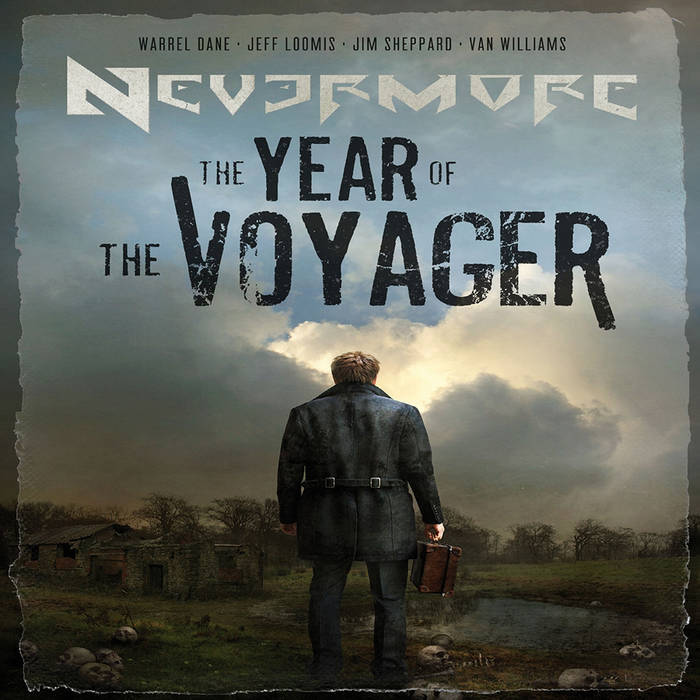
This documentation strategy acknowledges modern metal's global audience while respecting geographical limitations. By professionally recording international performances, reformed acts can maintain worldwide relevance without requiring extensive touring that may be logistically or financially prohibitive for veteran musicians.
The choice to perform in Istanbul also reflects metal's truly international scope. Rather than limiting reunion activities to traditional metal markets, experienced acts can explore global opportunities that provide unique experiences for both performers and local audiences while generating content for worldwide distribution.
These diverse developments—from experimental chaos to death metal brutality, gaming partnerships to anniversary celebrations—demonstrate contemporary metal's sophisticated approach to career management and audience engagement. The scene's maturity allows for complex strategies that honor artistic integrity while acknowledging commercial realities, creating sustainable models for both veteran acts and emerging talents.