Recording Studios and Venue Partnerships Drive Metal's Infrastructure Revolution as New Material and Milestone Celebrations Fuel Scene Growth
The global metal scene's infrastructure continues evolving through strategic studio partnerships and venue collaborations, while legendary acts celebrate major milestones and emerging bands secure crucial label deals. This week's developments showcase how the industry's foundation is strengthening through both technological advancement and community celebration.
Death Metal's Studio Evolution Reaches New Heights
New York's death metal torchbearers Undeath have secured a pivotal signing with Relapse Records, marking a significant step forward for the band's career trajectory. The partnership comes as the group completed recording their fourth full-length album at Pennsylvania's renowned Menegroth / The Thousand Caves Studio, working alongside producer Colin Marston. This collaboration represents more than just a recording session—it demonstrates the increasing sophistication of death metal production and the crucial role specialized studios play in capturing the genre's brutal essence.
Marston's involvement is particularly noteworthy given his extensive work with technically demanding acts like Krallice, Gorguts, and Defeated Sanity. His production approach has consistently elevated extreme metal bands while maintaining their authentic aggression. This trend toward producer-driven partnerships reflects how modern death metal acts are investing in high-quality production without sacrificing their underground credibility.
The death metal recording landscape continues expanding as bands recognize that superior production enhances rather than diminishes their impact. Studios specializing in extreme music are becoming crucial infrastructure components, offering the technical expertise necessary to capture complex arrangements and brutal dynamics that define contemporary death metal.
Metalcore Innovation Through Label Partnerships
August Burns Red's latest single "Sonic Salvation" previews their upcoming album "Season of Surrender," scheduled for June release. The Pennsylvania metalcore veterans continue demonstrating how established acts can maintain relevance through consistent output and strategic release planning. Their approach to album cycles—building anticipation through carefully timed single releases—has become a blueprint for Miss May I and other metalcore contemporaries.
The band's continued evolution showcases metalcore's maturation as a genre capable of sustained artistic growth. Rather than recycling past formulas, they're exploring sonic territories that expand their musical palette while retaining the intensity that originally defined their sound. This balance between innovation and authenticity exemplifies how veteran metalcore acts can navigate changing industry landscapes while maintaining core fan loyalty.
Their strategic approach to album releases reflects broader industry shifts toward sustained engagement rather than singular promotional pushes. By spacing releases and building narrative arcs across multiple singles, bands create ongoing dialogue with their audience that extends far beyond traditional album cycles.
Vocalist Legacy and Industry Adaptation
Skid Row's Rachel Bolan recently addressed the band's history with multiple vocalists, noting that while they've worked with six different singers, Black Sabbath's vocal changes still surpass their own transitions. This perspective highlights how lineup changes have become normalized within metal and hard rock, with bands adapting to maintain continuity despite personnel shifts.
The comment reflects broader industry realities where vocal changes no longer signal career decline but rather natural evolution. Bands are developing strategies to maintain identity through instrumental core members while accommodating vocal transitions that bring fresh perspectives to established songwriting approaches.
Coal Chamber drummer Mikey Cox's revelation about his successful cancer battle demonstrates the metal community's resilience in facing personal challenges. His openness about health struggles while preparing for major festival appearances exemplifies how metal artists balance vulnerability with strength, creating authentic connections with audiences who appreciate honest communication about life's difficulties.
International Festival Culture and Historical Celebration
Germany's Keep It True festival showcased metal's international celebration culture through multiple milestone performances. Australian thrash pioneers Mortal Sin returned to international stages after a 14-year absence, demonstrating how festival environments provide crucial platforms for bands reconnecting with global audiences.
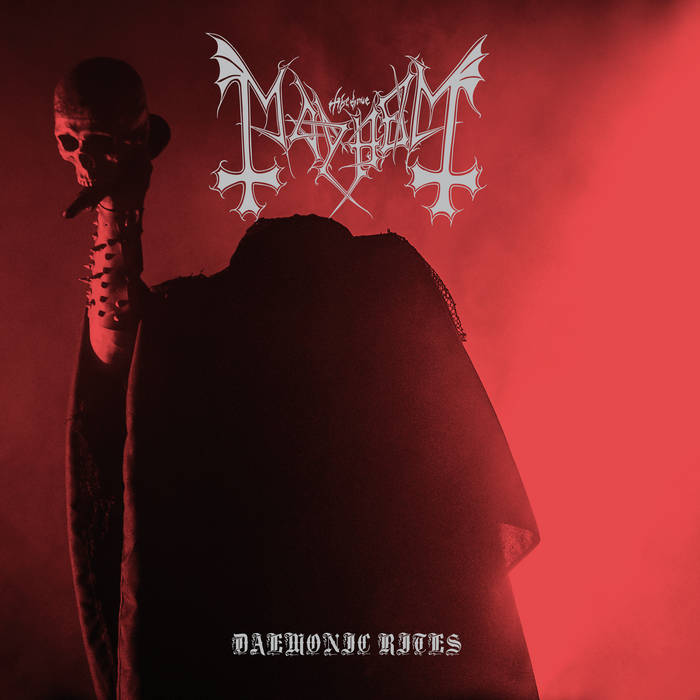
The festival also hosted a special celebration of Venom's "Welcome to Hell" 45th anniversary, featuring founding members Mantas and Abaddon alongside distinguished guests including Tom Warrior of Celtic Frost, Angelripper from Sodom, and representatives from Destruction, Vader, and Mayhem. This collaboration transcended individual band identities to honor black metal's foundational influence across the broader extreme metal spectrum.
Such international gatherings serve multiple functions beyond entertainment—they preserve metal history, facilitate cross-cultural connections, and provide platforms for career reinvention. The Keep It True format specifically emphasizes historical significance, creating spaces where veteran acts can celebrate legacies while introducing their influence to newer generations.
Neoclassical Metal's Continued Relevance
Swedish guitar virtuoso Yngwie Malmsteen's completion of his new solo album demonstrates neoclassical metal's enduring appeal within contemporary scenes. His commitment to maintaining classical influences while adapting to modern production standards shows how traditional metal subgenres continue finding relevance through artistic consistency rather than trend-chasing.
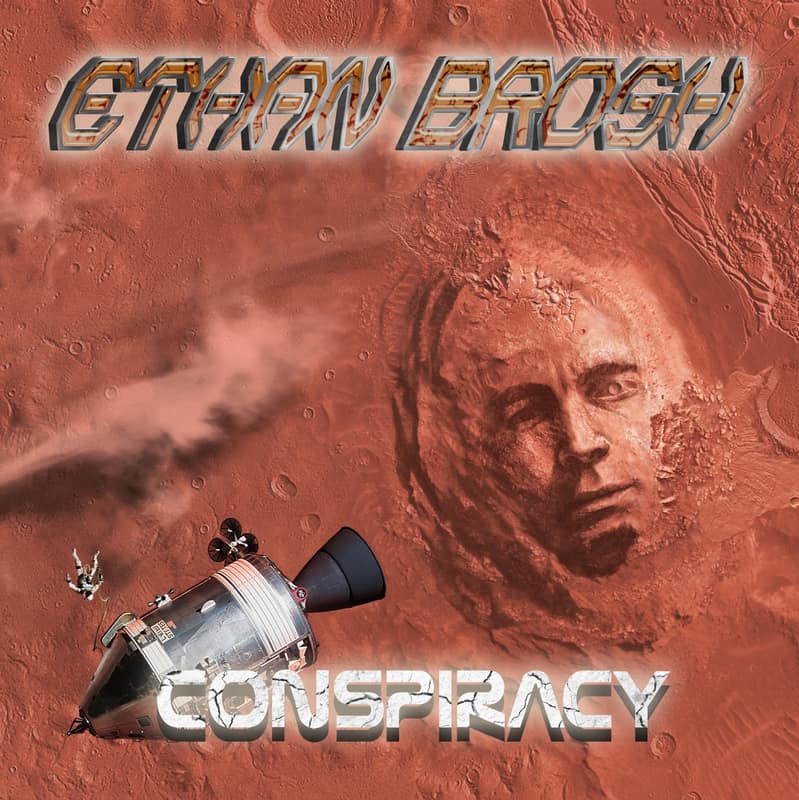
The neoclassical approach offers alternatives to increasingly extreme metal directions, providing technical complexity through harmonic sophistication rather than solely rhythmic intensity. This balance appeals to musicians and audiences seeking instrumental virtuosity within metal frameworks, creating space for acts like Ethan Brosh to develop their own interpretations of classical-metal fusion.
Health Challenges and Career Resilience
Former Kiss guitarist Bruce Kulick's successful heart valve surgery recovery highlights how metal's aging generation navigates health challenges while maintaining career momentum. His positive outlook and gratitude toward medical professionals demonstrate the maturity and perspective that comes with decades of industry experience.
These health revelations create important conversations within metal communities about supporting veteran musicians through personal difficulties. The industry's response to such challenges reflects growing awareness of mental and physical health needs among performers who have dedicated decades to demanding touring and recording schedules.
Solo Project Evolution and Career Diversification
Chad Gray's "30 Years of Madness" solo shows represent how established metal vocalists are expanding beyond primary band identities. By collaborating with musicians from both Mudvayne and Hellyeah, he's creating hybrid performances that celebrate multiple career phases while offering fans unique experiences unavailable through traditional band tours.
John Corabi's solo album release and accompanying music video for "1969" similarly demonstrates how metal veterans are embracing independent artistic expression. These projects allow musicians to explore creative directions that might not fit within established band contexts, while providing additional revenue streams that support overall career sustainability.
Guitar Virtuosity and Collaboration Culture
Gus G's collaboration with former Iced Earth vocalist Matt Barlow on "Dancing with Death" showcases how guitar-driven projects can bridge different metal scenes through strategic partnerships. By combining his neoclassical expertise with Barlow's distinctive vocal approach, the project creates something unique while honoring both artists' established strengths.
Such collaborations demonstrate metal's increasingly interconnected nature, where established musicians regularly work across traditional band boundaries to create fresh artistic combinations. This trend benefits both artists and audiences by introducing creative possibilities that wouldn't emerge within conventional band structures.
The global metal scene's current infrastructure development through studio partnerships, festival celebrations, and collaborative projects creates sustainable foundations for continued growth. As veteran acts navigate health challenges and career evolution while emerging bands secure crucial label deals, the community demonstrates remarkable resilience and adaptability. These developments suggest that metal's future lies not just in musical innovation, but in building strong industry relationships that support artistic expression across all career stages.