Venom's Anniversary Summit and Korn's Deep Cuts Reveal Metal's Legacy-Building Mastery
The metal world witnessed something unprecedented as Venom's founding members Mantas and Abaddon assembled an extraordinary lineup of extreme metal legends for their "Welcome to Hell" 45th anniversary celebration at the Keep It True Festival. This wasn't merely another anniversary show—it transformed into a summit of metal royalty that demonstrated how carefully curated legacy events can transcend typical reunion performances.
The Venom Convergence: When Legends Unite
The announcement that Tom Gabriel Fischer of Celtic Frost and Hellhammer would join forces with Sodom's Thomas "Angelripper" Such and Destruction's Schmier created immediate anticipation among extreme metal devotees. Adding Vader's Piotr Wiwczarek, Mayhem's Attila Csihar, Nuclear Assault's Dan Lilker, and Sodom's Andy Brings to this constellation elevated the event from anniversary celebration to historical convergence.
This gathering represents more than nostalgia—it showcases the interconnected web of influence that flows through extreme metal's DNA. Venom's primitive approach to black metal created the foundation upon which these artists built their own legendary careers, and their collective appearance acknowledges those creative debts while celebrating the genre's evolutionary paths.
The strategic brilliance lies in assembling artists whose careers span different extreme metal subgenres yet share common ancestral roots in Venom's groundbreaking work. This approach offers festival attendees a comprehensive view of extreme metal's family tree while honoring the source material that sparked countless innovations. For bands exploring similar atmospheric territories, acts like Bloody Vision and Wolfskrone demonstrate how contemporary artists continue building upon these foundational influences.
Korn's Archaeological Approach to Setlist Curation
While Venom orchestrated a summit of influences, Korn demonstrated mastery in balancing new material presentation with deep catalog exploration at Sick New World. Their debut performance of "Reward the Scars" represented the careful introduction of fresh material to festival audiences, but their inclusion of a B-side track not performed since 2011 revealed sophisticated understanding of fan devotion.
This archaeological approach to setlist construction acknowledges that dedicated audiences crave both innovation and rediscovery. By resurrecting rarely performed material alongside new song debuts, bands create multilayered experiences that satisfy casual listeners while rewarding longtime followers with unexpected treasures.
Jonathan Davis's stage commentary before launching into "Reward the Scars" demonstrated the importance of contextualizing new material within live settings. Rather than simply performing new songs, successful acts frame these moments as shared discoveries between artist and audience, creating collaborative rather than transactional experiences.
Stadium Lessons and Touring Wisdom
Ice Nine Kills frontman Spencer Charnas's reflections on touring stadiums with Metallica offer crucial insights into how opening acts can maximize career-defining opportunities. His characterization of the experience as "some of the most incredible experience of my life" reveals the transformative potential of strategic touring partnerships.
The stadium environment presents unique challenges that differ dramatically from club and theater settings. Acts that successfully navigate these massive venues develop skills that enhance their performances across all contexts. The discipline required to connect with audiences in spaces designed for tens of thousands of people translates into more commanding presence in intimate settings.
For emerging acts seeking similar breakthrough opportunities, the lesson extends beyond simply securing high-profile tours. The preparation, professionalism, and adaptability required for stadium performances create lasting improvements in overall live presentation that benefit bands throughout their careers.
Classic Rivalries and Historical Reclamation
Megadeth's decision to perform their version of "Ride the Lightning" live represents a fascinating exercise in historical reclamation. Dave Mustaine's co-writing credit on the title track of Metallica's 1984 album creates a unique situation where one band performs another's signature material while claiming legitimate creative ownership.
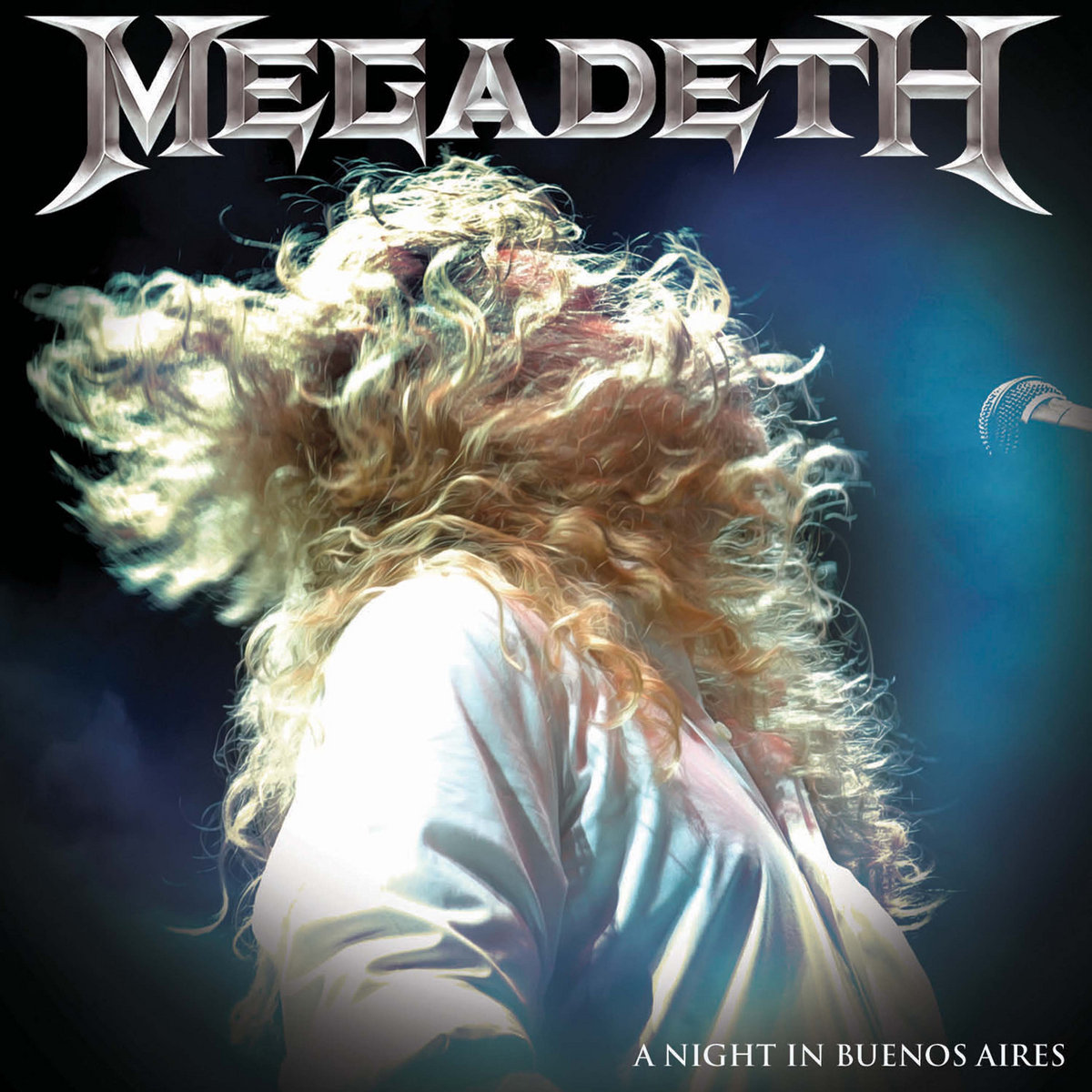
This performance transcends simple nostalgia or rivalry acknowledgment—it demonstrates how complicated creative histories can be addressed directly rather than avoided. By performing the track live, Megadeth transforms a potentially awkward historical footnote into an celebration of their contribution to metal's foundational works.
The audience reception of such performances provides valuable data about how metal fans process complex band histories. Rather than viewing these moments as divisive, audiences often embrace the opportunity to witness historical connections being acknowledged and celebrated in real time.
Global Scene Momentum and Festival Strategy
The concentration of significant performances and announcements around major festivals like Sick New World demonstrates how these events have evolved into strategic platforms for career developments. Rather than simply booking popular acts, festivals now coordinate with bands to create unique moments that generate lasting impact.
This strategic approach benefits both festivals and participating acts by creating exclusive experiences that cannot be replicated elsewhere. Festival organizers secure memorable moments that enhance their events' reputations, while bands gain platforms for significant announcements and rare performances that strengthen fan connections.
The global metal scene's health depends on these mutually beneficial relationships between festivals, established acts, and emerging artists. Events that successfully balance legend worship with contemporary innovation create environments where the best metal bands can showcase both historical awareness and forward-thinking creativity.
Legacy Building Through Strategic Collaboration
The convergence of these developments—Venom's all-star gathering, Korn's setlist archaeology, Ice Nine Kills' stadium education, and Megadeth's historical reclamation—reveals sophisticated approaches to legacy building that extend beyond traditional touring and recording cycles.
Contemporary metal acts face unprecedented opportunities to control their narrative presentations while honoring genre traditions. The most successful approaches combine respect for foundational influences with innovative presentation methods that create memorable experiences for multiple audience generations.
As the global metal scene continues expanding through diverse platforms and partnerships, acts that master these strategic approaches to legacy building position themselves for sustained relevance. The lessons demonstrated by these recent developments provide roadmaps for both established acts seeking to maintain momentum and emerging bands planning long-term career strategies.
The metal community's enthusiastic response to these varied approaches confirms that audiences appreciate both historical awareness and creative innovation when presented with authentic enthusiasm and professional execution.