Nu-Metal Nostalgia and Theatrical Extremes Drive 2026's Festival-First Mentality as Classic Acts Pioneer Live Experimentation
The global metal scene is experiencing a fascinating shift toward festival-first creative strategies, where established acts are using major outdoor gatherings as laboratories for new material and theatrical spectacles that push far beyond traditional album-tour cycles. This evolution is reshaping how metal's most recognizable names connect with audiences while maintaining their cultural relevance in an increasingly crowded landscape.
Nu-Metal Veterans Lead Festival Innovation
Korn's debut of "Reward The Scars" at Sick New World exemplifies this new approach perfectly. Rather than following the conventional path of studio recording, promotional buildup, and eventual live performance, Jonathan Davis and company chose to unveil their latest composition directly to festival crowds in Las Vegas. This strategy demonstrates remarkable confidence in their material while creating an exclusive experience that cannot be replicated through streaming platforms or traditional media channels.
The decision to premiere new material at festivals reflects a broader understanding of how new metal bands 2026 are competing for attention. By offering something genuinely unique—a song that exists nowhere else except in that specific moment—veteran acts like Korn are reclaiming the cultural authority they established during nu-metal's initial rise. This approach also acknowledges that modern audiences crave authentic, unrepeatable experiences rather than perfectly polished studio presentations.
For the global metal scene, Korn's strategy suggests that even established acts must continuously evolve their engagement methods. The band's willingness to test new material in front of thousands of festival attendees demonstrates the kind of creative risk-taking that originally defined nu-metal's rebellious spirit. This festival-first mentality could inspire similar approaches from acts across various subgenres, particularly those seeking to break free from predictable release patterns.
Theatrical Extremes Expand Metal's Boundaries
GWAR's announcement of their "Gor Gor Must Die!" fall tour represents another facet of this experiential evolution. The Virginia-based shock metal collective has always prioritized theatrical presentation over conventional musical delivery, but their latest touring concept suggests even more elaborate storytelling approaches. By centering entire tours around specific narrative arcs—in this case, the apparent demise of the character Gor Gor—GWAR transforms concert attendance into participatory storytelling.
This theatrical maximalism serves multiple purposes within the current metal landscape. First, it creates social media-friendly moments that extend far beyond the venue walls, generating organic promotional content that traditional marketing cannot replicate. Second, it establishes clear distinctions between GWAR's live experience and the countless other touring packages competing for audience attention. Most importantly, it demonstrates how metal bands touring 2026 can differentiate themselves through commitment to conceptual creativity rather than purely musical innovation.
The inclusion of Midnight and Mac Sabbath as support acts further reinforces this theatrical approach. Rather than selecting bands based solely on musical compatibility, GWAR has curated a lineup that promises complementary entertainment experiences. This holistic approach to tour packaging suggests that successful metal touring in 2026 requires thinking beyond individual band performances toward comprehensive audience experiences.
Cross-Generational Collaborations Reshape Metal's Elite
Accept's ambitious "Teutonic Titans 1976–2026" project represents perhaps the most significant development in metal's collaborative evolution. By incorporating members from Metallica, Judas Priest, Pantera, Scorpions, and Ghost into their 50th anniversary celebration, the German heavy metal veterans are creating something unprecedented: a true metal supergroup album that spans multiple generations and subgenres.
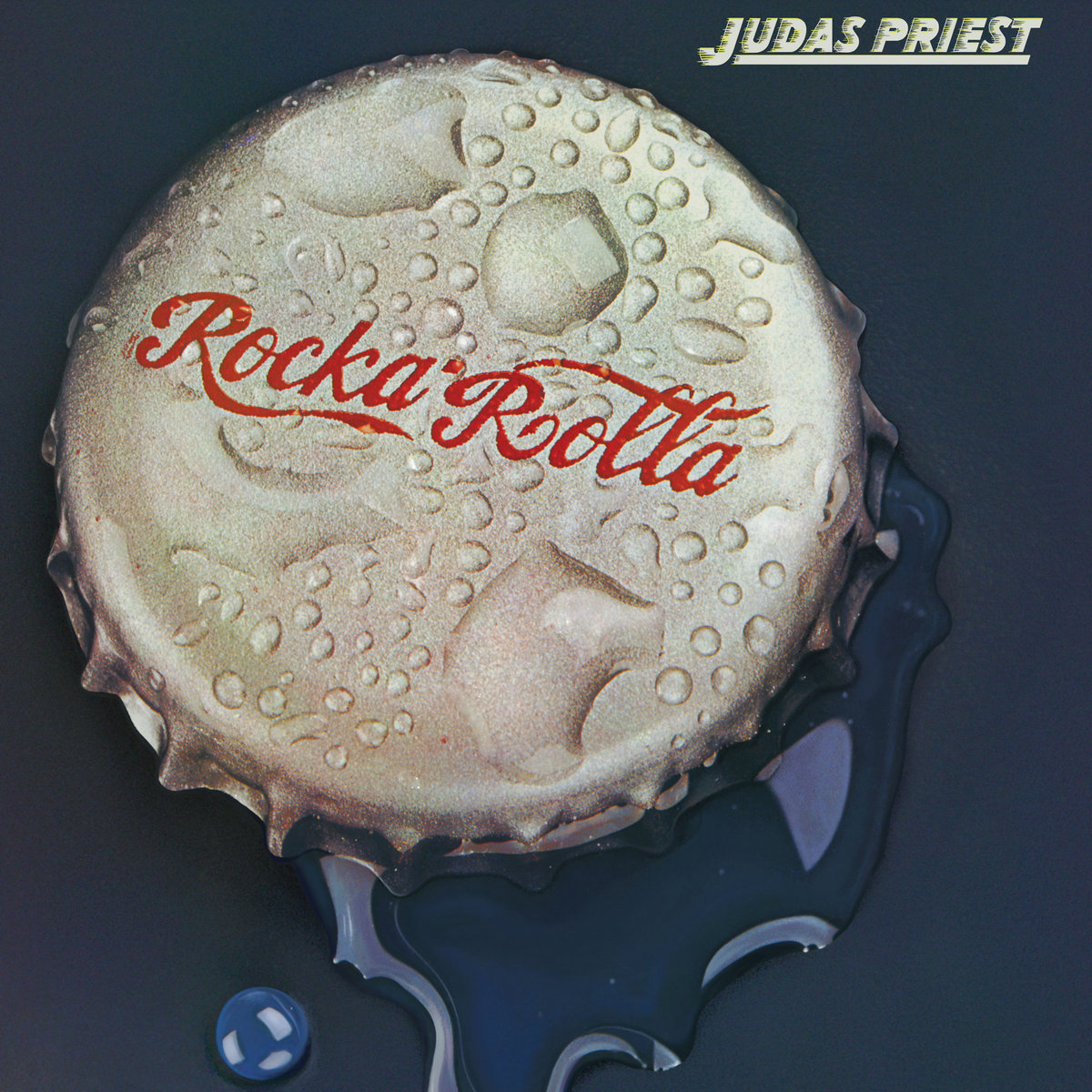
This collaboration strategy acknowledges that the best metal bands of different eras share common creative DNA despite stylistic differences. Accept's ability to attract such high-profile collaborators speaks to their foundational influence on heavy metal's development, but it also suggests that contemporary metal's elite recognize the value of cross-pollination between different camps. The project essentially creates a musical summit where thrash pioneers, traditional heavy metal masters, and modern theatrical innovators can explore shared creative territory.
For emerging acts observing these developments, Accept's approach provides a blueprint for leveraging industry relationships to create culturally significant projects. Rather than viewing established bands as competition, newer artists might consider how collaborative projects can elevate everyone involved while creating unique musical statements that individual bands could never achieve alone.
Legacy Acts Embrace Experimental Documentation
Kerry King's decision to include demo versions with his own "scratch" lead vocals in the deluxe edition of "From Hell I Rise" reveals another fascinating trend: metal veterans becoming increasingly comfortable with exposing their creative processes. These demo tracks offer unprecedented insight into how one of thrash metal's most recognizable songwriters develops material before it reaches its final form.
This transparency serves multiple functions within the current metal ecosystem. For longtime fans, these glimpses behind the creative curtain provide deeper appreciation for the craft involved in creating memorable metal compositions. For aspiring musicians, Kerry King's willingness to share rough early versions offers valuable educational material that demonstrates how professional-level songs evolve from initial concepts to finished products.
The trend toward expanded deluxe editions also reflects changing consumer expectations. Rather than simply offering additional tracks or alternate mixes, contemporary deluxe releases increasingly focus on providing context and insight into the creative process itself. This shift suggests that metal audiences are becoming more sophisticated in their appreciation for the craft aspects of heavy music creation.
Underground Innovation Continues Parallel Evolution
While high-profile acts experiment with festival debuts and cross-generational collaborations, underground scenes continue developing their own innovative approaches. The confirmation that Therapy? has been developing new material "for a while" highlights how established alternative metal acts are taking increasingly deliberate approaches to new releases. Rather than rushing material to market, bands are allowing creative processes to develop organically until the timing feels appropriate.
Uncle Acid & the Deadbeats' new video for "Don't Let It Control You" demonstrates how psychedelic doom acts are embracing visual storytelling that matches their sonic complexity. The band's commitment to creating "horrifically trippy" visual experiences shows how modern metal acts must excel in multiple creative disciplines to maintain audience engagement. This multimedia approach has become essential for bands operating outside metal's mainstream commercial channels.
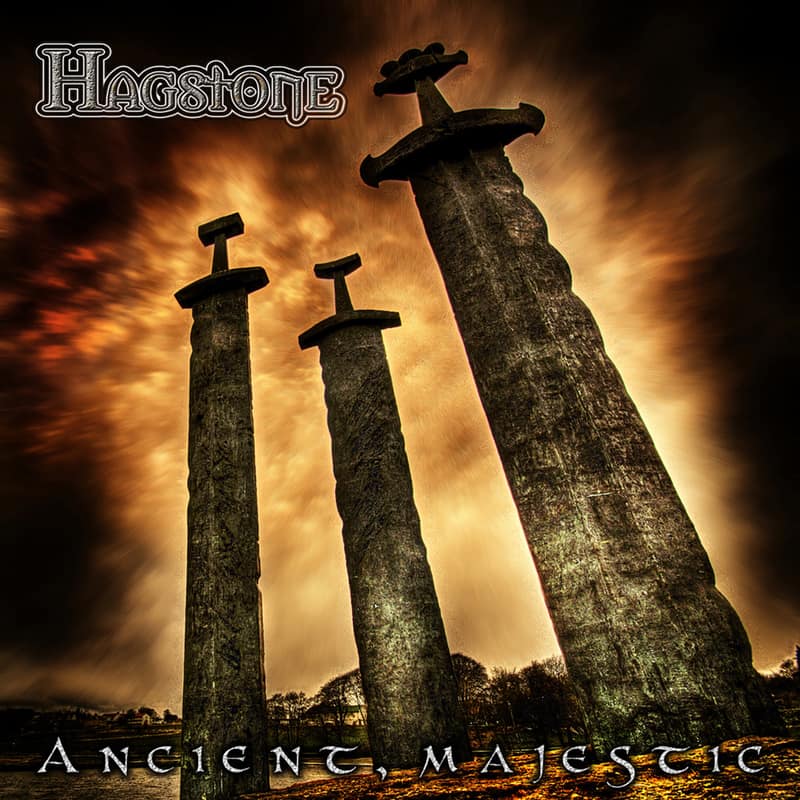
For acts like Hagstone and others exploring doom metal's atmospheric possibilities, these developments in visual presentation and patient creative development offer valuable strategic insights. The key appears to be developing distinctive artistic identities that extend beyond purely musical elements while maintaining commitment to authentic creative expression.
Looking Toward Festival Season's Creative Opportunities
As 2026's festival season approaches, the strategies employed by Korn, GWAR, Accept, and other innovative acts are likely to inspire similar experimentation across the global metal scene. The festival environment provides unique opportunities for creative risks that traditional venue touring cannot accommodate, from large-scale theatrical productions to collaborative performances between touring acts.
These developments suggest that the most successful 80s metal bands and their contemporary counterparts are those willing to embrace festival culture as a creative medium rather than simply a promotional opportunity. By treating major outdoor gatherings as collaborative spaces for artistic experimentation, metal's veteran acts are ensuring their continued relevance while providing inspiration for the next generation of heavy music innovators.
The evolution toward festival-first creative strategies represents more than just changing promotional tactics—it signals metal's growing sophistication in creating culturally significant experiences that extend far beyond recorded music. As this trend continues developing throughout 2026, expect to see even more ambitious experiments in collaborative creativity and live presentation innovation across all corners of the global metal scene.