Swedish Doom Supergroups and Nu-Metal Controversies: Heavy Metal's Unity Paradox
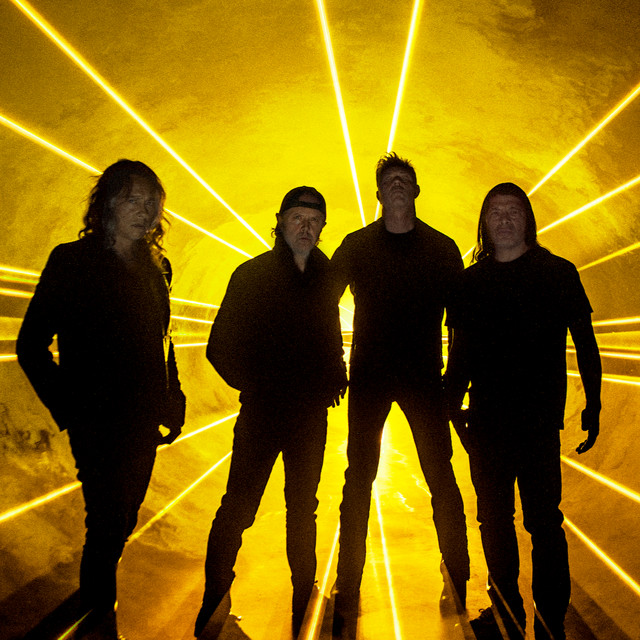
The formation of Draconian Descent, featuring members from Swedish doom powerhouses Monolord and Långfinger alongside ex-Bombus musicians, arrives at a fascinating moment when heavy metal simultaneously celebrates collaboration while grappling with internal divisions. This Nordic supergroup represents the genre's most optimistic impulse—artists transcending band boundaries to create something new—even as established acts wrestle with questions of artistic identity and social cohesion.
Swedish Doom Metal's Collaborative Renaissance
The emergence of Draconian Descent signals a significant development in Scandinavia's doom metal ecosystem. When musicians of this caliber—particularly from bands as established as Monolord—choose to collaborate rather than compete, it reflects a mature scene confident enough to prioritize artistic exploration over territorial concerns. The timing coincides with Monolord's own creative momentum, as evidenced by their latest single "Oozing Wound" from the upcoming album Neverending, scheduled for release on May 29th.
This collaborative spirit echoes through other corners of the global metal scene, where bands like Dead Soil are similarly exploring the intersection of doom and industrial elements. The Swedish approach, however, emphasizes organic heaviness over technological augmentation, creating a template that resonates with traditionalists while offering fresh perspectives on established formulas.
The supergroup model has historically produced mixed results in heavy metal, from the triumphant heights of Temple of the Dog to the commercial disappointments of countless "all-star" projects. What distinguishes Draconian Descent is the members' shared aesthetic vision rather than mere star power. Monolord's reputation for crushing, meditative doom provides a solid foundation, while Långfinger's more experimental tendencies could push the collaboration into unexplored territory.
Nu-Metal's Return and the Politics of Nostalgia
Korn's debut performance of "Reward The Scars" at Sick New World festival represents more than just new material—it signals nu-metal's continued evolution as both a musical and cultural force. The band's decision to premiere the track at a festival setting, rather than through traditional media channels, demonstrates how veteran acts are adapting to contemporary fan engagement strategies while maintaining their core identity.
Jonathan Davis's introduction of the new song to festival attendees reflects a more intimate approach to material presentation, contrasting sharply with the bombastic rollouts that characterized nu-metal's initial commercial peak. This measured approach suggests lessons learned from decades of industry changes, positioning new music as conversation rather than conquest.
The genre's current moment feels particularly complex given the broader cultural conversations around unity and division. System of a Down's Daron Malakian recently emphasized his band's ability to maintain creative partnerships despite ideological differences, stating that if bandmates with contrasting worldviews can perform together, society at large should embrace similar tolerance. This perspective offers a compelling counterpoint to an increasingly polarized cultural landscape.
Legacy Acts and the Burden of History
Peter Criss's reflections on Kiss's historic 1996 reunion tour provide valuable context for understanding how legacy acts navigate the tension between nostalgia and authenticity. His observation that "it was like time stood still" during the MTV Unplugged reunion captures both the magic and the trap of revisiting past glory. For veteran musicians, the challenge lies in honoring history while avoiding creative stagnation.
This dynamic becomes particularly interesting when examining Megadeth's recent live debut of their Metallica cover "Ride The Lightning" in Colombia. The performance represents multiple layers of metal history—not just the song's original significance, but the decades-long relationship between these thrash pioneers. By choosing to perform this cover internationally rather than domestically, Megadeth acknowledges the complexity of their relationship with both the material and their American audience.
Spencer Charnas of Ice Nine Kills offers another perspective on legacy interaction through his recent comments about touring with Metallica. His description of the experience as "some of the most incredible experience of my life" demonstrates how newer acts can benefit from proximity to metal's established hierarchy while maintaining their own artistic identity. This mentor-protégé dynamic has historically strengthened metal's community bonds, creating pathways for knowledge transfer that benefit the entire scene.
International Perspectives and Scene Development
Therapy's announcement of their upcoming recording sessions for a follow-up to 2023's "Hard Cold Fire" highlights the global nature of contemporary metal production. Andy Cairns's comments about the band's recording timeline reflect the measured approach many veteran acts now take toward album creation, prioritizing quality over quantity in an oversaturated market.
The Northern Irish band's continued productivity, decades into their career, provides inspiration for scenes worldwide where longevity often comes at the expense of relevance. Their ability to maintain creative momentum while adapting to industry changes offers a blueprint that bands like Nol and other heavy metal acts can study as they develop their own long-term strategies.
Northlane's premiere of their "Evian" music video demonstrates how contemporary metal acts are using visual storytelling to expand their artistic reach. The Australian band's continued evolution reflects the global metal scene's increasing sophistication in multimedia presentation, moving beyond simple performance videos toward more conceptual artistic statements.
The Festival Circuit's Cultural Impact
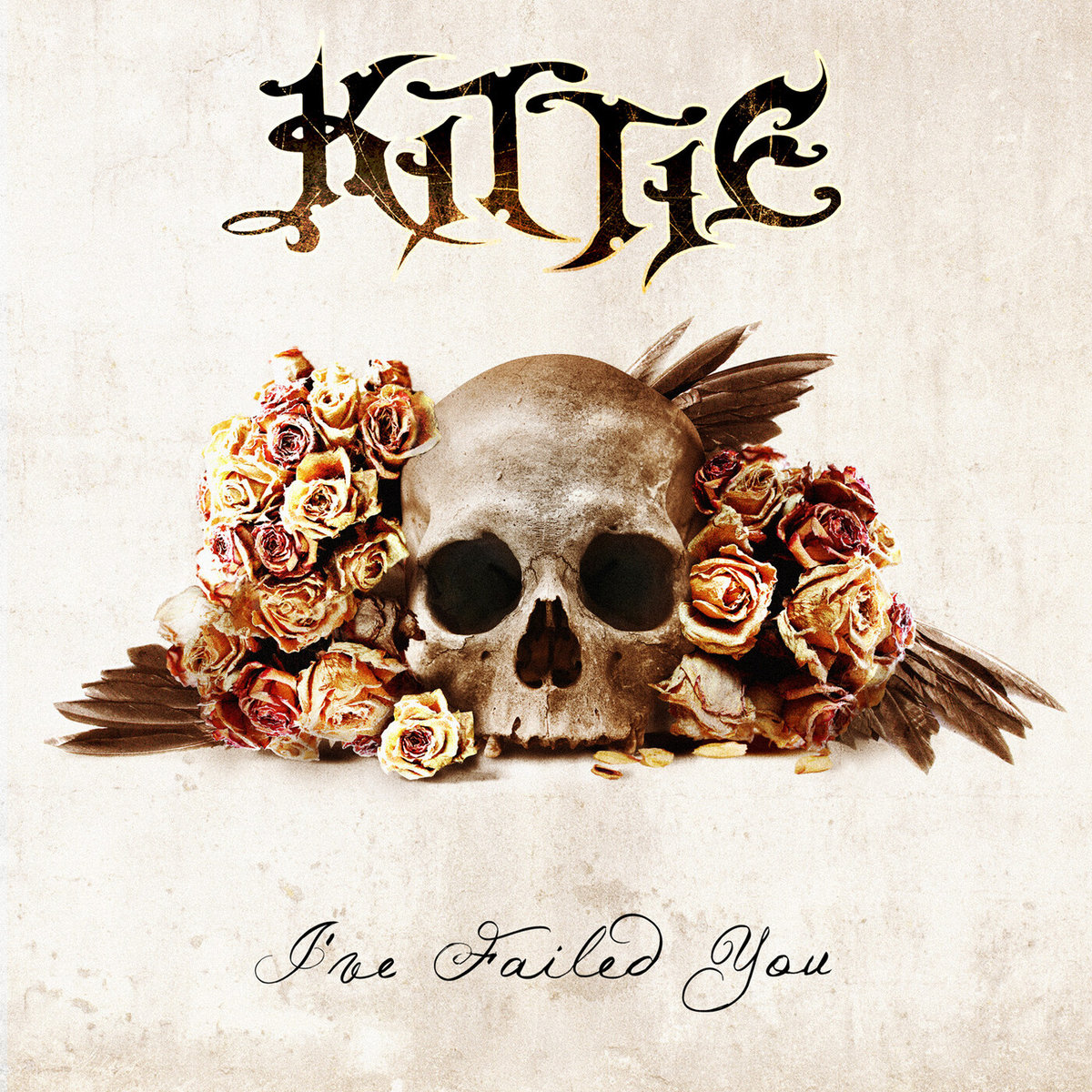
Kittie's announcement of additional Los Angeles dates with Kingdom of Giants and Gore signals the continued importance of strategic touring partnerships in building sustainable careers. The Canadian veterans' 30th anniversary celebration demonstrates how milestone events can create momentum for sustained activity rather than serving as farewell gestures.
Festival culture has fundamentally altered how metal bands approach live performance, requiring acts to deliver maximum impact in compressed timeframes. This evolution has influenced songwriting, stage production, and fan interaction strategies across all metal subgenres. The success of events like Sick New World provides venues for both established and emerging acts to reach audiences that might not attend traditional club shows.
For regional scenes, these large-scale events create aspirational targets while potentially drawing attention and resources away from local venues. The challenge for scenes worldwide involves balancing support for local infrastructure with participation in larger industry networks that can provide crucial exposure and revenue streams.
Looking Forward: Collaboration as Cultural Bridge
The current moment in metal history suggests that collaboration—whether between longtime musicians forming new supergroups or established acts mentoring emerging talent—represents the genre's most promising path forward. Draconian Descent's formation exemplifies this spirit, bringing together accomplished musicians in service of artistic exploration rather than commercial calculation.
As political and social divisions intensify globally, metal's capacity for bridging differences through shared artistic passion becomes increasingly valuable. System of a Down's message about coexistence despite disagreement resonates beyond music industry concerns, suggesting that metal scenes worldwide can model productive engagement across ideological boundaries.
The Swedish doom collaboration that sparked this discussion ultimately represents more than just another side project. It demonstrates metal's continued vitality, its artists' willingness to take creative risks, and the scene's capacity for renewal through strategic partnerships that honor the past while embracing future possibilities.