Thrash Legends Assert Creative Permanence While Symphonic Black Metal Champions Artistic Patience
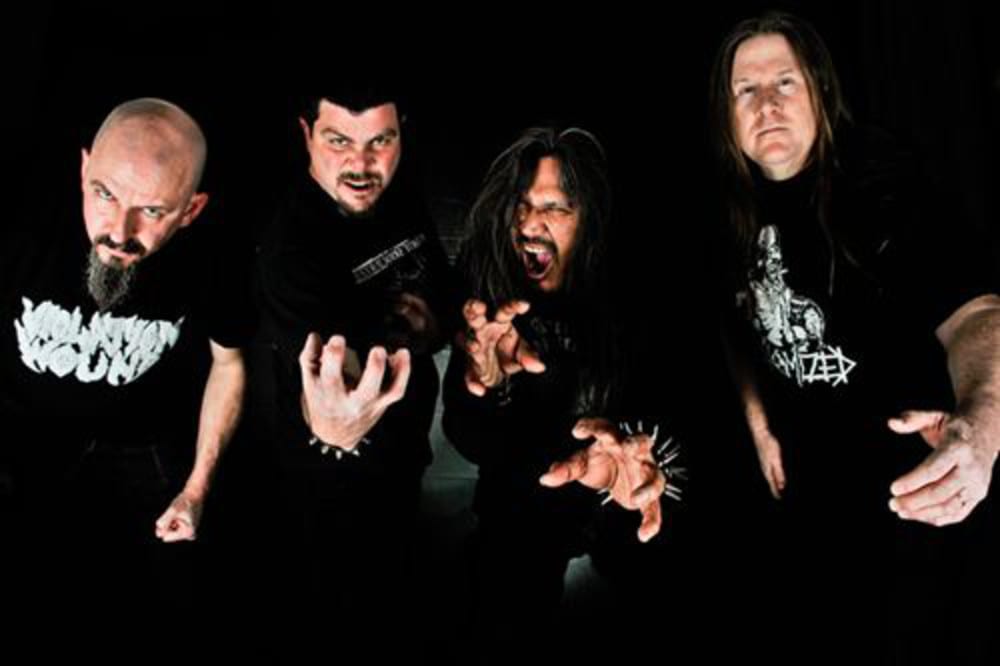
The global metal scene's most enduring voices are making bold statements about creative longevity and artistic vision this week, with thrash metal pioneers asserting their permanent commitment to the craft while symphonic black metal masters advocate for patience in the creative process. These contrasting philosophies reveal the diverse approaches that have sustained metal's most influential acts across decades of evolution.
Thrash Metal's Eternal Flame Burns Brightest
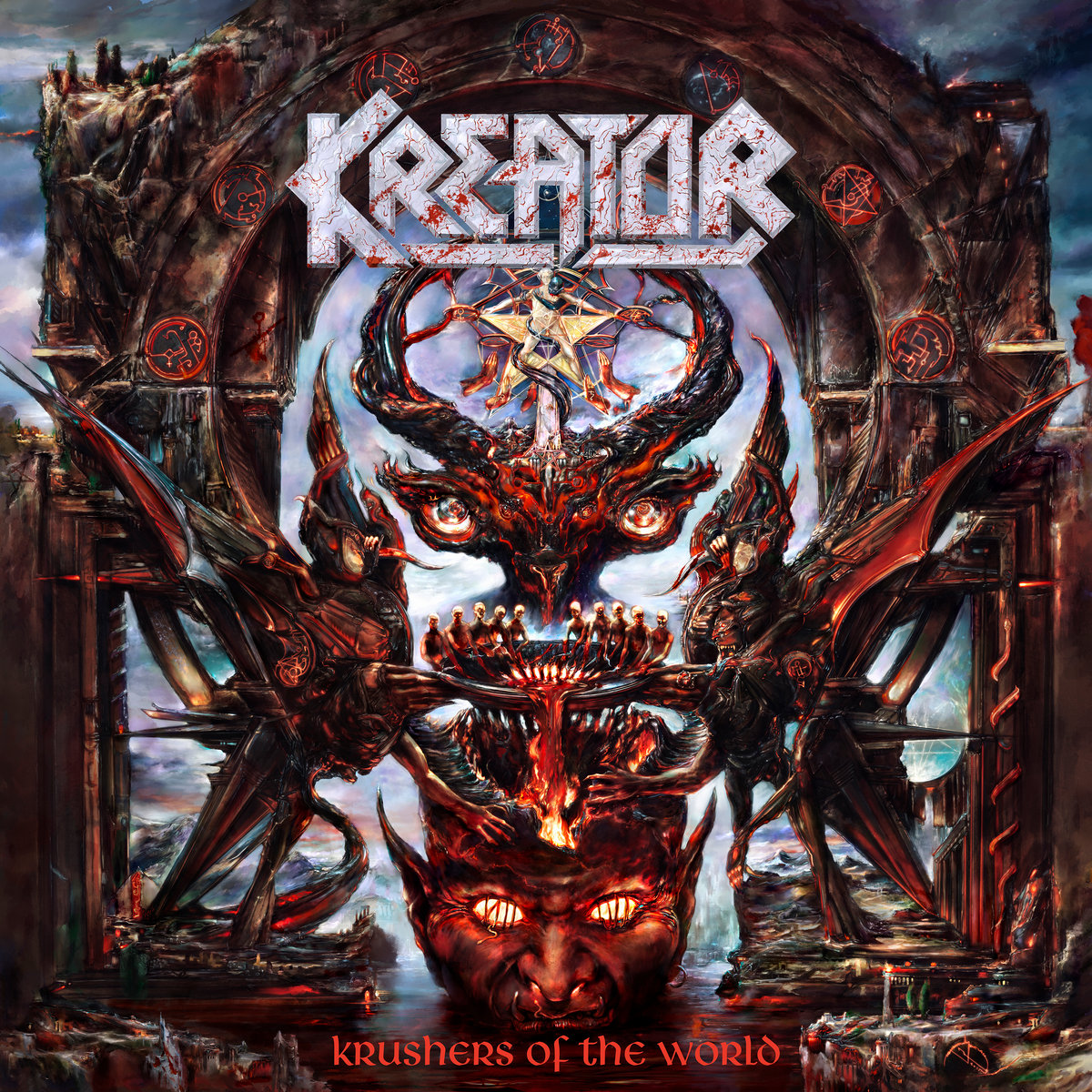
Kreator frontman Mille Petrozza's recent declaration of lifelong dedication to metal represents more than personal commitment—it embodies the relentless spirit that has defined thrash metal's greatest practitioners. After sixteen studio albums, including the band's latest release "Krushers Of The World," Petrozza's unwavering passion demonstrates how the best metal bands maintain creative fire across multiple decades of output.
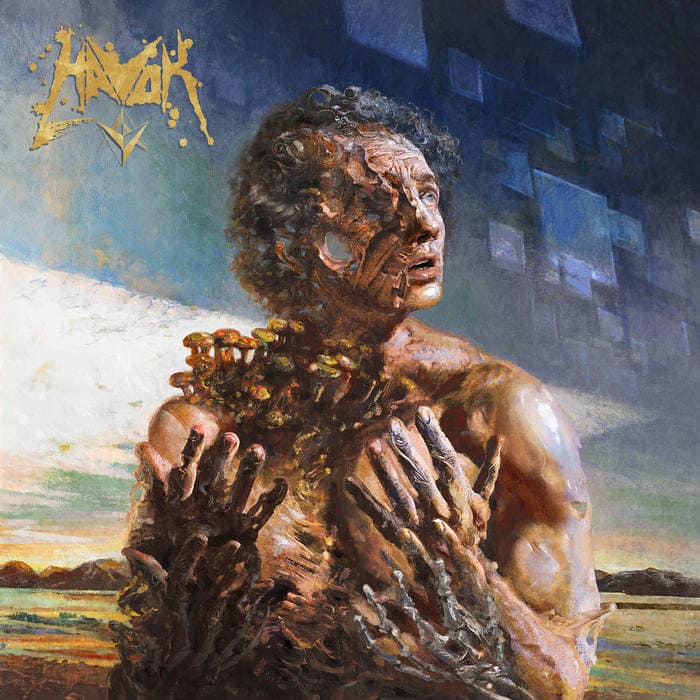
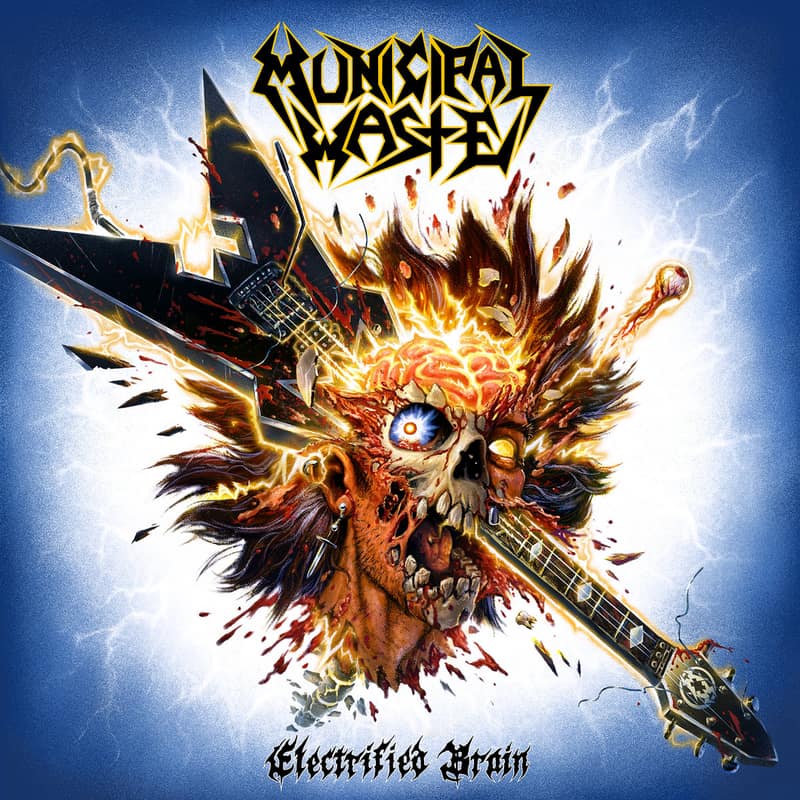
This dedication to permanence echoes throughout the thrash community, where bands like Havok and Municipal Waste continue pushing the genre's boundaries while honoring its foundational principles. The thrash revival's sustained momentum proves that authentic passion, rather than commercial trends, drives the most enduring metal careers.
Petrozza's approach to songwriting evolution after such an extensive catalog offers insights into how veteran metal acts navigate creative challenges. Rather than retreating into comfortable formulas, the most successful thrash practitioners embrace each album as an opportunity for reinvention within established frameworks—a philosophy that has kept the genre vibrant since its 1980s origins.
Symphonic Black Metal's Philosophy of Patience
While thrash champions relentless output, symphonic black metal masters like Dimmu Borgir's Silenoz advocate for a dramatically different creative philosophy. The band's extended timeline for their upcoming "Grand Serpent Rising" album reflects a commitment to perfectionism that contrasts sharply with thrash metal's immediate urgency. Silenoz's belief that "great things shouldn't be easily achieved" represents symphonic black metal's dedication to elaborate artistic construction.
This patient approach to creativity has defined symphonic black metal since its emergence, with bands investing years in orchestral arrangements, complex compositions, and theatrical concepts that demand extended development periods. The genre's emphasis on grandeur requires time for proper execution, distinguishing it from metal's more immediate subgenres.
The serpent imagery surrounding Dimmu Borgir's new material suggests themes of transformation and renewal—concepts that require careful artistic development rather than rushed execution. This methodical approach has sustained the band's influence across decades while maintaining the sophisticated arrangements that define their sound.
Death Metal's Recording Renaissance
Between these philosophical extremes, death metal pioneers Autopsy represent a balanced approach to creative scheduling. Their plans for recording a follow-up to "Ashes, Organs, Blood And Crypts" demonstrate how established death metal acts maintain steady output without sacrificing quality. The band's measured approach to new material reflects death metal's evolution from its raw origins toward more sophisticated production values.
This recording momentum extends throughout the death metal community, where bands like Fondlecorpse and Contorted Mind balance creative ambition with practical release schedules. The genre's technical demands require significant studio time, but veteran acts have learned to streamline their processes without compromising artistic vision.
Autopsy's drummer Chris Reifert's insights into the band's recording plans reveal how death metal legends approach new material with both reverence for their legacy and excitement for continued evolution. This balanced perspective has sustained the genre's most influential acts across multiple decades of development.
Cross-Genre Collaboration Trends
The week's developments also highlight metal's increasing embrace of unexpected collaborations, with projects like the planned tribute to Buddy Holly featuring contributions from legendary figures across metal's spectrum. These cross-generational partnerships demonstrate how new metal bands 2026 can learn from established masters while contributing fresh perspectives to classic material.
Such collaborations represent metal's growing confidence in its cultural position, allowing established acts to explore influences beyond traditional metal boundaries. The Buddy Holly tribute project exemplifies how metal's most respected figures can honor rock and roll's foundational artists while maintaining their distinct artistic identities.
Gothic and Symphonic Metal's Evolving Landscape
Cradle of Filth's announcements regarding new lineup developments and completed album material reflect gothic metal's continued vitality despite lineup changes that might destabilize lesser acts. Dani Filth's ability to maintain the band's artistic vision through personnel transitions demonstrates the importance of strong creative leadership in sustaining long-term metal careers.
The band's approach to collaboration discussions and lineup evolution offers insights into how gothic and symphonic metal acts balance stability with creative growth. These developments suggest that the most successful extreme metal bands prioritize artistic vision over personnel convenience, ensuring that lineup changes strengthen rather than compromise their creative output.
Live Performance Innovation
Beyond recording studios and collaboration announcements, the metal scene's live performance evolution continues advancing through innovative approaches to setlist construction and venue selection. Korn's recent debut of new material at major festivals demonstrates how established metal bands touring 2026 can use live settings to test new material while maintaining audience engagement through familiar favorites.
This festival-first approach to new material represents a significant shift from traditional album-tour cycles, allowing bands to gauge audience response before final recording decisions. The strategy reflects metal's increasing sophistication in balancing commercial considerations with artistic experimentation.
The Digital Challenge and Artistic Integrity
Recent conflicts between established metal acts and digital distribution platforms highlight ongoing tensions between technological convenience and artistic authenticity. When veteran bands face algorithmic challenges to their artistic legitimacy, it reveals broader questions about how digital platforms understand and categorize extreme music.
These technical disputes underscore the importance of human curation in metal music distribution, particularly for genres that push sonic boundaries in ways that automated systems might misinterpret. The resolution of such conflicts often requires direct advocacy from artists who understand their music's context within metal's broader evolution.
Looking Forward: Metal's Sustained Evolution
The contrasting philosophies evident in this week's metal developments—from thrash's eternal dedication to symphonic black metal's patient perfectionism—demonstrate the genre's remarkable capacity for diverse creative approaches. Whether pursuing immediate expression or elaborate artistic construction, metal's most enduring acts share a commitment to authentic creative vision that transcends commercial pressures.
As veteran acts continue asserting their permanent place in metal's landscape while embracing new collaborative possibilities, the Global metal scene benefits from this combination of established wisdom and experimental ambition. The future promises continued innovation from acts that understand metal's history while remaining committed to its ongoing evolution.
These developments suggest that 2026 will be defined by metal acts that balance respect for the genre's foundational principles with bold creative experimentation, ensuring that both immediate thrash energy and elaborate symphonic vision continue driving metal's worldwide growth.