Mindcrime Trilogy Completion and Progressive Metal's Extended Development Cycles Signal Genre's Maturation
The progressive and experimental wings of metal are experiencing a fascinating evolution in 2026, marked by ambitious multi-album concepts and increasingly sophisticated development cycles that reflect the genre's growing maturity. This transformation is nowhere more evident than in Geoff Tate's completion of his "Operation: Mindcrime" trilogy, a project that spans decades and demonstrates how veteran artists are approaching legacy work with unprecedented depth.
Concept Albums as Career Capstones
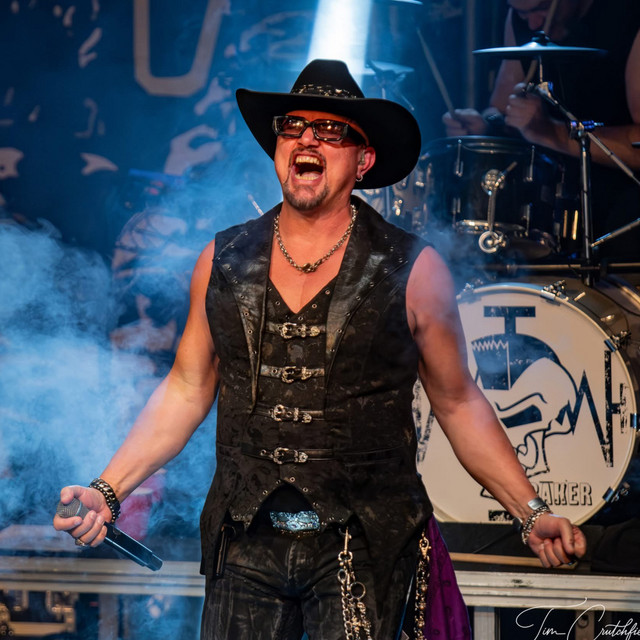
Tate's live debut of "Power" from "Operation: Mindcrime III" at Milwaukee's Pabst Theater represents more than just a new song premiere—it signals the culmination of one of metal's most ambitious storytelling projects. The original Queensrÿche "Operation: Mindcrime" from 1988 remains one of the best metal albums of all time, and Tate's decision to expand this narrative into a trilogy decades later reflects a sophisticated understanding of how conceptual work can evolve alongside an artist's creative growth.
This approach to extended conceptual development is becoming increasingly common among progressive metal veterans. The genre's emphasis on technical proficiency and narrative complexity naturally lends itself to projects that unfold over years rather than months, allowing artists to explore themes with the depth they deserve while maintaining the instrumental sophistication that defines progressive metal.
The live performance of "Power" also demonstrates how experienced artists are using concert venues as testing grounds for new material. Rather than simply releasing tracks digitally, Tate chose to debut this crucial piece in an intimate theater setting, creating a shared experience that honors both the material's theatrical origins and the progressive metal tradition of treating live performance as an essential component of artistic expression.
Symphony X and the Art of Patient Development
Parallel to Tate's trilogy completion, Symphony X's methodical approach to their "Underworld" follow-up exemplifies how progressive metal's best metal bands are embracing extended development cycles. Russell Allen's confirmation that the band has substantial material written but is taking time to perfect it reflects a genre-wide shift toward prioritizing quality over speed-to-market considerations.
This patient approach to album creation stands in stark contrast to the rapid release cycles common in other metal subgenres. Progressive metal acts like Symphony X, and by extension bands such as Archetype who work within similar progressive frameworks, understand that their audiences value technical excellence and compositional sophistication over frequent output.
The nine-year gap since "Underworld" might seem excessive in today's content-driven music landscape, but it represents a deliberate choice to allow material to mature naturally. Allen's comments about having "tons of music" written suggest that the creative process itself has become as important as the final product, with the band treating songwriting as an ongoing exploration rather than a deadline-driven necessity.
Judas Priest's Rapid Response Model
Contrasting with Symphony X's extended timeline, Judas Priest's quick follow-up to "Invincible Shield" demonstrates an alternative approach to sustained creativity. Richie Faulkner's enthusiasm about the new material suggests that some veteran acts thrive on maintaining creative momentum rather than extended reflection periods.
This rapid development approach, particularly coming from one of the 80s metal bands that helped define the genre's foundations, shows that there's no single correct path for maintaining artistic vitality. Priest's ability to move quickly from "Invincible Shield" into new material speaks to both their creative chemistry and their understanding that different projects require different timeframes.
The contrast between Priest's rapid development and Symphony X's patient approach illustrates the diversity of creative strategies within metal's veteran acts. Both methods can produce exceptional results when aligned with a band's natural working style and the specific demands of their material.
The Festival Ecosystem's Creative Impact
The global metal scene is increasingly shaped by festival culture, with events like Sick New World providing platforms for both established acts and emerging material. Coal Chamber's return to the stage following drummer Mikey Cox's successful cancer treatment demonstrates how festivals serve as celebration points for the metal community's resilience and continuity.
Dez Fafara's comments about feeling "blessed" to have Cox with them highlight the personal dimensions that make metal's festival ecosystem more than just entertainment. These events become gathering points where health victories, creative milestones, and community solidarity intersect, creating experiences that extend far beyond individual performances.
The festival model also influences how bands approach new material development. Korn's debut of "Reward The Scars" at Sick New World exemplifies how major acts are using festival stages as laboratories for testing new songs in high-energy environments before committing to recorded versions. This live-first approach to new material represents a sophisticated understanding of how metal music functions best when developed in dialogue with audience response.
Industry Economics and Creative Freedom
Carmine Appice's criticism of current ticket pricing reflects broader concerns about accessibility within the metal community. His question about whether "rich people" are buying expensive tickets touches on fundamental tensions between the genre's working-class roots and its evolution into a sophisticated entertainment industry.
These economic pressures influence creative decisions in complex ways. High touring costs may push some bands toward safer material choices, while others find that premium pricing allows for more elaborate production values and creative risks. The challenge for new metal bands 2026 will be navigating these economic realities while maintaining the authenticity and accessibility that define metal culture.
The streaming economy's impact on metal is equally complex, with artists like Appice expressing skepticism about access-over-ownership models. This resistance to streaming reflects deeper concerns about how technological changes affect the artist-fan relationship and the economic sustainability of sustained creative work.
Cross-Genre Experimentation and Collaboration
Hollywood Undead's collaboration with Jeris Johnson on "All My Friends" represents the continued evolution of nu-metal and rap-rock hybrids, showing how established acts are incorporating contemporary influences while maintaining their core identity. This collaborative approach demonstrates how metal acts are finding new ways to stay relevant without abandoning their fundamental sound.
The success of such crossover collaborations suggests that metal's future lies not in genre purity but in intelligent synthesis. Bands that can incorporate diverse influences while maintaining metal's essential intensity and authenticity are finding success with both longtime fans and new audiences.
The Health and Continuity Narrative
Jason Newsted's openness about his throat cancer diagnosis and recovery adds to a growing narrative about health challenges within metal's veteran community. His "free and clear" status represents not just personal victory but community resilience, demonstrating how metal culture supports its members through serious health crises.
These health narratives intersect with questions about legacy and continuity in profound ways. When established artists face serious health challenges, it forces both individual reflection and community consideration of how metal's history and future are maintained across generations.
Looking Forward: Maturation Without Stagnation
The current moment in metal represents a sophisticated balance between honoring the genre's established excellence and pushing toward new creative territories. From Tate's trilogy completion to Symphony X's patient development and Priest's rapid creativity, metal's veterans are demonstrating that maturity can enhance rather than limit artistic ambition.
For the global metal scene, this maturation process offers valuable lessons about sustainable creativity, community support, and the long-term development of artistic vision. As metal bands touring 2026 continue exploring these sophisticated approaches to creation and performance, they're establishing frameworks that will influence metal's development for decades to come.
The genre's ability to support both rapid creative cycles and extended development periods, while maintaining strong community connections through festivals and collaborative projects, suggests that metal's future lies not in choosing between tradition and innovation but in finding intelligent ways to honor both simultaneously.