Veteran Musicians Launch Business Solutions While Health Victories and Touring Innovation Define Metal's Professional Evolution
The metal community is witnessing a transformative period where veteran musicians are stepping beyond their artistic roles to become industry innovators, while simultaneously celebrating remarkable health recoveries and pushing the boundaries of live performance experiences. This convergence of entrepreneurial spirit, personal triumph, and creative evolution represents a sophisticated maturation of the metal ecosystem.
Musicians as Tech Entrepreneurs: Solving Industry-Wide Problems
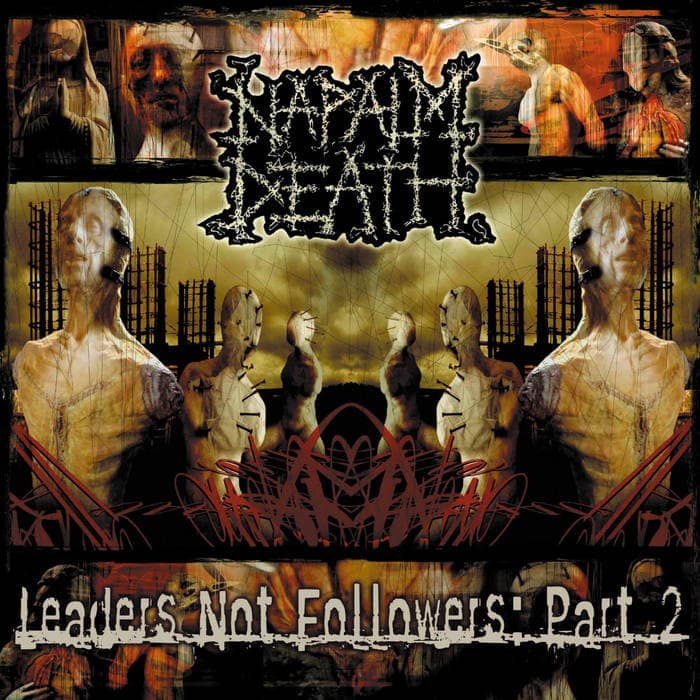
Mitch Harris of Napalm Death has emerged as an unlikely tech entrepreneur with the launch of TourFlip, a revolutionary crowdfunding platform designed to address the mounting financial pressures facing touring bands worldwide. After more than 25 years navigating the complexities of international touring, Harris recognized that traditional booking mechanisms were failing to adapt to modern economic realities.
The TourFlip concept represents a fundamental shift in how live music economics might function. Rather than relying solely on promoters and venue guarantees, the platform allows fans to directly contribute to tour funding while potentially receiving reduced ticket prices in return. This democratization of tour financing could prove particularly valuable for emerging acts who struggle with the escalating costs of equipment transportation, accommodation, and venue deposits that have made touring increasingly prohibitive.
Harris's transition from grindcore pioneer to tech innovator illustrates how seasoned musicians are leveraging their industry experience to create systemic solutions. His intimate understanding of touring logistics—from visa complications to equipment failures—provides credibility that external tech entrepreneurs typically lack when attempting to disrupt music industry practices.
Health Recoveries Reshape Artistic Perspectives
The metal community has witnessed several significant health victories that underscore the genre's growing emphasis on wellness and longevity. Jason Newsted's successful battle against throat cancer represents a particularly poignant triumph, given the vocal demands his musical career has placed on that precise anatomical region. His recent confirmation of being "free and clear" adds another chapter to metal's ongoing narrative of survival and resilience.
Similarly, Coal Chamber's return to the stage at Sick New World marked drummer Mikey "Bug" Cox's victorious comeback following his own cancer treatment. Frontman Dez Fafara's emotional acknowledgment of Cox's recovery highlights how these health battles create deeper appreciation for collaborative creativity and live performance opportunities.
These recovery stories reflect a broader cultural shift within metal toward prioritizing long-term health over short-term career pressures. The traditional "tour until you collapse" mentality is giving way to more sustainable approaches that recognize musicians' physical limitations and the importance of medical intervention when necessary.
Live Performance Innovation and Strategic Touring
Black Label Society's continuation of their "American Crusade" demonstrates how established acts are developing more sophisticated touring strategies. Zakk Wylde's decision to maintain his dual role approach—likely balancing multiple musical projects simultaneously—reflects the modern reality of portfolio careers in metal, where veteran musicians often juggle several creative outlets to maintain financial stability and artistic fulfillment.
The resurgence of classic acts is creating unique opportunities for cross-generational collaboration and knowledge transfer. Accept's partnership with former Megadeth drummer Shawn Drover for their 50th-anniversary celebrations exemplifies how metal's interconnected community facilitates these meaningful musical exchanges. Such collaborations often revitalize both parties, providing fresh energy to established acts while offering valuable experience to the contributing musicians.
Korn's decision to debut new material like "Reward The Scars" at major festivals rather than traditional album release cycles represents another evolution in how metal bands approach new music introduction. This festival-first strategy allows immediate audience feedback and creates exclusive experiences that enhance the live event's value proposition.
Revival Culture and Nostalgia Economics
Sugar's return after 31 years demonstrates the enduring appeal of alternative rock pioneers, while David Lee Roth's continued touring showcases how classic rock entertainers maintain relevance across multiple decades. These comebacks aren't merely nostalgia exercises—they represent sophisticated understanding of how legacy acts can create meaningful contemporary experiences while honoring their historical significance.
The success of these revival tours indicates a mature fanbase willing to invest substantially in live music experiences, particularly when those experiences offer rare or unique elements. Sugar's three-decade hiatus creates inherent scarcity value, while Roth's unpredictable performance style ensures each show feels genuinely irreplaceable.
Festival Circuit Evolution and Genre Boundaries
Outbreak Fest's evolving lineup, with additions like Joyce Manor and Loathe alongside departures from Harm's Way, illustrates how festival curation has become increasingly sophisticated. Modern festival programming requires balancing core genre expectations with strategic diversification to attract broader audiences while maintaining credibility within specific musical communities.
The integration of artists like Alpha Wolf and other metalcore acts into festival circuits alongside more traditional metal acts reflects the genre's expanding definition. This inclusivity benefits the entire ecosystem by creating opportunities for cross-pollination between different metal subgenres and their respective fanbases.

Industry Infrastructure and Equipment Security
Josey Scott's successful recovery of stolen tour equipment highlights both the persistent challenges facing touring musicians and the effectiveness of law enforcement cooperation in addressing these crimes. Equipment theft remains one of the most significant financial risks for touring acts, particularly those operating without major label resources or comprehensive insurance coverage.
The quick resolution of Scott's case—with all equipment recovered intact and a suspect in custody—demonstrates how improved coordination between musicians, law enforcement, and the broader music community can effectively address these crimes. Social media campaigns and community networking often prove crucial in these recoveries, showcasing metal's collaborative problem-solving culture.
Creative Reinvention and Artistic Legacy
Atreyu's decision to completely re-record "The Curse" with Memphis May Fire's Kellen McGregor represents an intriguing approach to legacy management. Rather than simply remastering or reissuing classic material, some bands are choosing to completely reimagine their catalog with contemporary production techniques and different collaborative approaches.
This strategy allows artists to honor their creative history while demonstrating their ongoing artistic evolution. It also creates new revenue streams from existing intellectual property without requiring entirely new compositional work, offering a middle ground between nostalgia touring and completely new album cycles.
Hollywood Undead's collaboration with Jeris Johnson on "All My Friends" continues their exploration of rap-rock territory, while bands like Trixter hint at genre-crossing projects with soft rock tribute contributions. These diverse creative pursuits reflect metal's increasing comfort with genre fluidity and cross-cultural musical exploration.
The metal community's current professional evolution demonstrates remarkable sophistication in addressing industry challenges while maintaining the collaborative spirit and artistic integrity that defines the genre. From technological innovation to health advocacy to creative reinvention, metal veterans are proving that experience and wisdom can drive meaningful progress across multiple dimensions of the music industry.