Armored Saint's Album Reset Philosophy and Social Distortion's Creative Maturity Define Metal's Mid-Career Renaissance
Metal veterans are redefining what it means to sustain a decades-long career, with Armored Saint bassist Joey Vera's "reset" philosophy and Social Distortion's Mike Ness embracing creative maturity as blueprints for artistic longevity. These approaches represent a fundamental shift in how established acts approach their craft, prioritizing artistic evolution over industry expectations.
The Reset Mentality: Armored Saint's Approach to Creative Renewal
Joey Vera's recent declaration that Armored Saint considers "every single record a reset" illuminates a sophisticated approach to creative longevity that many veteran metal acts are embracing. With their upcoming album "Emotion Factory Reset" due May 22nd through Metal Blade Records, the band exemplifies how seasoned musicians can maintain relevance without sacrificing their core identity.
This reset philosophy stands in stark contrast to the nostalgia-driven approach many legacy acts adopt. Rather than retreading familiar ground or attempting to recapture past glory, Vera's concept suggests each album cycle offers an opportunity to reimagine the band's creative possibilities. For Armored Saint, this has meant only nine albums across their lengthy career—a deliberately measured output that prioritizes quality and artistic growth over market demands.
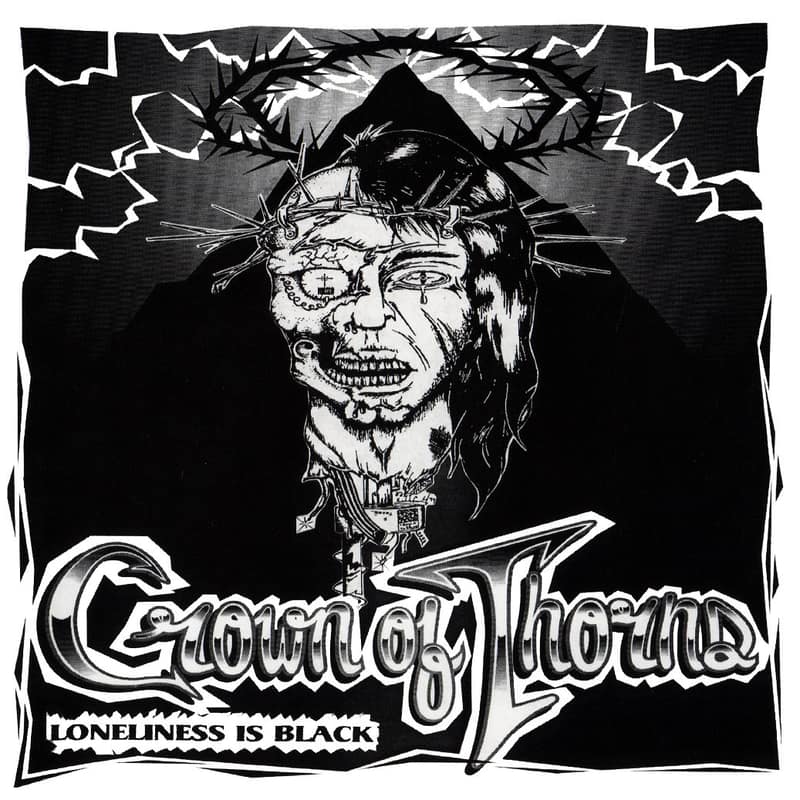
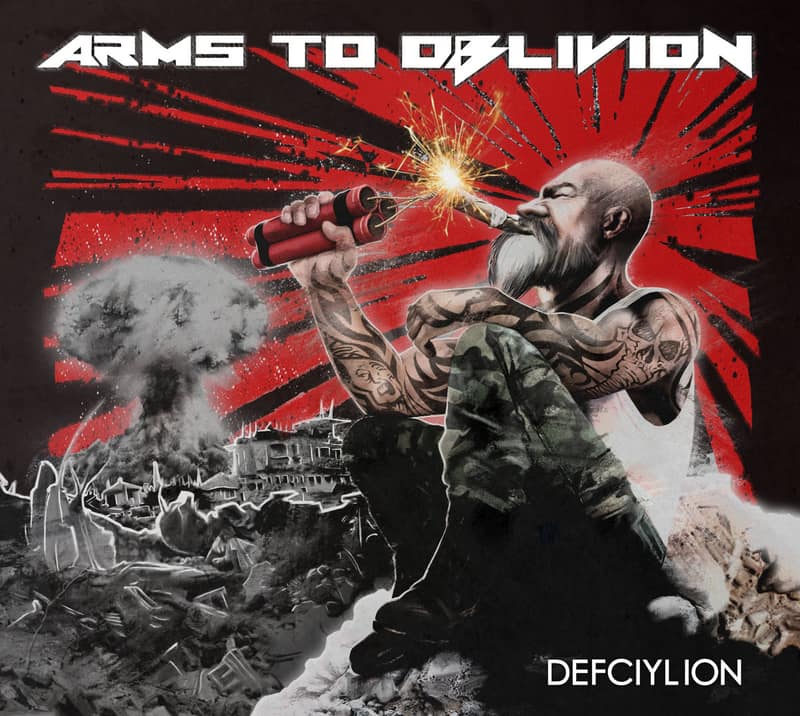
The groove metal scene, which includes acts like Crown of Thorns and Arms to Oblivion, could benefit from this reset mentality. The genre's emphasis on rhythmic power and accessible songwriting makes it particularly susceptible to creative stagnation, making Vera's approach increasingly relevant for bands seeking sustainable career longevity.
Mike Ness and Creative Maturity: Social Distortion's Evolution
Social Distortion frontman Mike Ness recently revealed plans to "shock everybody and put out another studio album in a timely manner," but more significantly, he acknowledged that he "couldn't have made this record fifteen years ago." This admission represents a crucial evolution in how veteran artists approach their craft, embracing rather than fighting the passage of time.
Ness's perspective reflects a growing trend among established metal and punk acts: using accumulated life experience as creative fuel rather than viewing age as an artistic limitation. This maturity-driven approach contrasts sharply with the youth-obsessed nature of much contemporary music, positioning veteran acts as carriers of hard-earned wisdom rather than relics of past movements.
The implications extend far beyond Social Distortion's catalog. For decades, punk and metal cultures have celebrated rebellion and raw energy as primary virtues, often implicitly suggesting that advancing age diminishes artistic authenticity. Ness's embrace of creative maturity challenges these assumptions, offering a template for how established artists can remain vital without compromising their core identity.
Korn's Festival Strategy: New Material in Live Settings
Korn's debut of new track "Reward The Scars" at Sick New World demonstrates another approach veteran acts are taking to maintain creative momentum. Rather than following traditional album-tour cycles, the band is using high-profile festival appearances to test new material, gauging audience reactions before committing to studio recordings.
This festival-first strategy reflects broader changes in how established metal acts navigate modern industry economics. With traditional album sales declining and streaming revenues limited, live performance has become increasingly crucial for artist sustainability. By debuting new material at major festivals, bands can generate buzz while gathering valuable feedback from core audiences.
Ray Luzier's recent revelation about losing gigs with "hugely famous" bands due to his refusal to do drugs adds another layer to understanding how veteran musicians navigate career longevity. His experience suggests that professional longevity often requires difficult choices that prioritize health and sustainability over short-term opportunities.
Platform Innovation: Mitch Harris Tackles Touring Economics
Napalm Death guitarist Mitch Harris's launch of TourFlip represents perhaps the most ambitious attempt by a metal veteran to address systemic industry problems. The crowdfunded platform, designed to help bands get booked worldwide while reducing costs for fans, directly confronts the economics crisis plaguing live music.
Harris's 25-year touring experience with one of grindcore's most influential acts provides unique insight into the challenges facing working musicians. His observation that "fans pay more than ever for less than ever" captures the frustration many feel with current industry structures, where ticket prices continue rising while artist compensation remains limited.
The platform's expected summer 2026 launch timeline suggests Harris understands the complexity of building viable alternatives to existing booking and promotional structures. Rather than rushing to market, he appears committed to developing a genuinely useful tool that addresses real industry problems rather than simply capitalizing on musician frustration.
Gaming Crossovers: Metal in Digital Entertainment
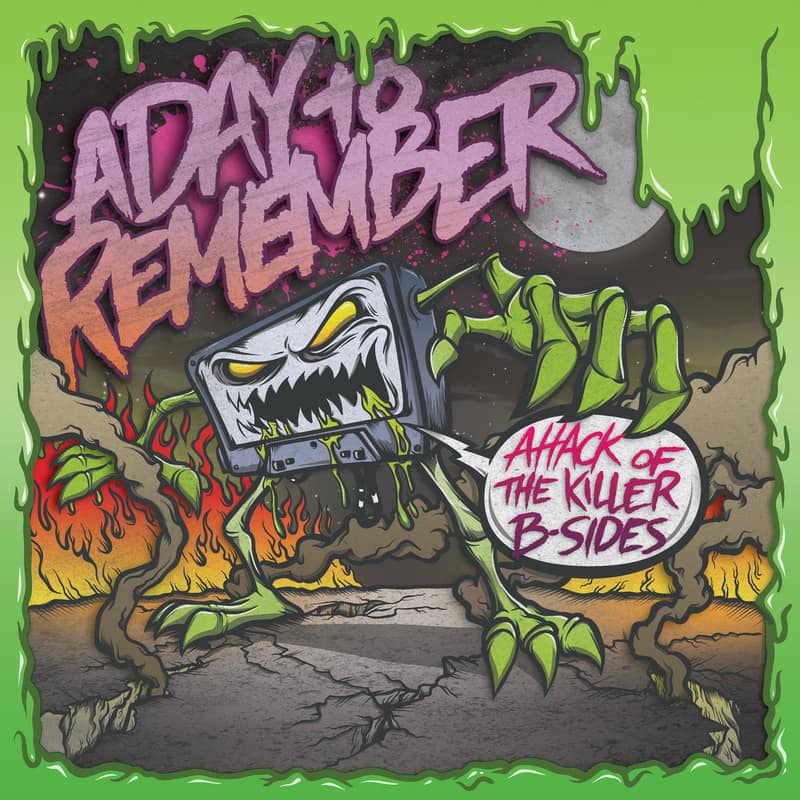
The inclusion of Linkin Park, Turnstile, Spiritbox, and Coheed and Cambria in the Forza Horizon 6 soundtrack, alongside A Day to Remember, Rise Against, and Babymetal, demonstrates metal's continued relevance in digital entertainment spaces. These gaming partnerships provide crucial exposure opportunities while generating revenue streams independent of traditional music industry structures.
For younger and emerging acts, gaming soundtracks offer exposure to audiences who might never encounter their music through traditional channels. The diverse range of metal subgenres represented in the Forza lineup—from Linkin Park's alternative metal to Spiritbox's progressive metalcore—suggests gaming companies recognize metal's broad appeal and commercial viability.
Punk Documentation: Glen Matlock's Historical Perspective
The digital release of "I Was A Teenage Sex Pistol," Glen Matlock's autobiographical documentary, represents another facet of how veteran musicians are approaching legacy management. Rather than simply trading on past glories, Matlock is providing historical context and personal insight into one of punk's foundational moments.
This documentary approach allows aging punk and metal veterans to maintain cultural relevance while contributing to genre scholarship. By sharing detailed accounts of crucial musical moments, these artists help preserve institutional knowledge that might otherwise be lost as scenes evolve and participants age out of active careers.
Health, Sobriety, and Professional Longevity
Bruce Kulick's positive post-heart surgery update serves as a reminder that health considerations increasingly shape veteran musicians' career decisions. His statement about having "much more music and many more moments to experience" reflects the perspective shift many aging artists undergo, prioritizing longevity over intensity.
Combined with Ray Luzier's sobriety-focused career approach and Mike Ness's embrace of creative maturity, these examples suggest that successful career longevity in heavy music requires fundamental lifestyle changes. The party-heavy culture traditionally associated with metal and punk may be giving way to more sustainable approaches that prioritize long-term creative output over short-term indulgence.
As the global metal scene continues evolving, these veteran perspectives offer valuable guidance for emerging acts seeking sustainable careers. Whether through creative reset philosophies, health-first approaches, or innovative platform development, today's metal veterans are pioneering new models for artistic longevity that extend far beyond traditional rock star mythology.