International Touring Economics Force Metal Veterans Into Innovation as Progressive Concept Albums Find New Life
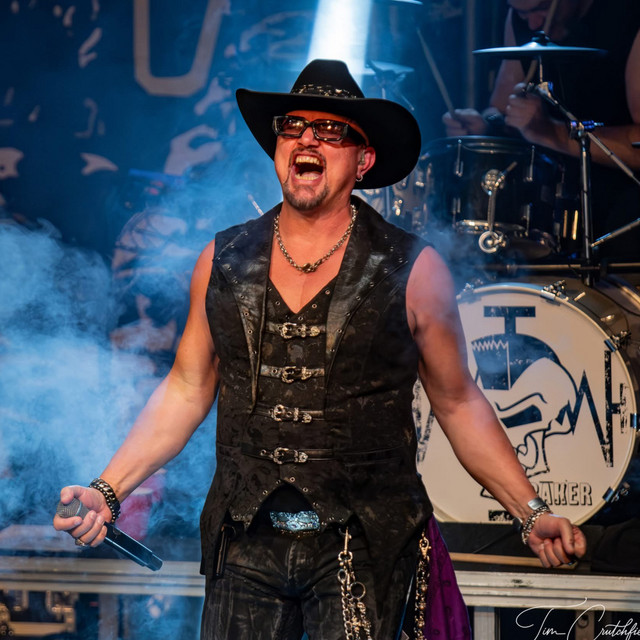
The economics of international metal touring have reached a breaking point, forcing legendary acts to reimagine their approach to global audiences while progressive veterans breathe new life into ambitious concept works. As visa costs, shipping expenses, and venue fees continue to skyrocket, the traditional touring model faces its most significant challenge in decades.
The Cost Crisis Reshaping Global Metal Access
British metal pioneers Venom recently delivered a stark reality check to their American fanbase, with guitarist Stuart "Rage" Dixon explaining the harsh mathematics of international touring. His analogy comparing international bands to vampires needing invitation perfectly captures the industry's current predicament - it's not about desire or artistic merit, but pure economics.
The numbers tell a sobering story. International acts face visa application fees that can reach thousands of dollars per band member, equipment shipping costs that often exceed entire tour budgets, and venue guarantees that have failed to keep pace with inflation. For heritage acts without the backing of major corporate sponsors, crossing borders has become a luxury few can afford.
This economic reality is reshaping how the global metal scene operates, forcing both established and emerging acts to develop new strategies for reaching international audiences. Virtual performances, regional licensing deals, and collaborative partnerships are becoming essential tools for maintaining global relevance without the prohibitive costs of physical touring.
Technology Solutions Emerge from Veteran Musicians
As traditional touring models strain under economic pressure, veteran musicians are developing innovative solutions from within the scene itself. Napalm Death's Mitch Harris represents this entrepreneurial spirit, launching TourFlip as a direct response to the industry's booking and financial challenges.
Harris's platform addresses multiple pain points simultaneously: reducing booking complexity for venues, lowering costs for fans, and creating more sustainable revenue streams for bands. After 25 years navigating the touring circuit's evolution, his insider perspective on the industry's inefficiencies provides a unique foundation for systematic improvement.
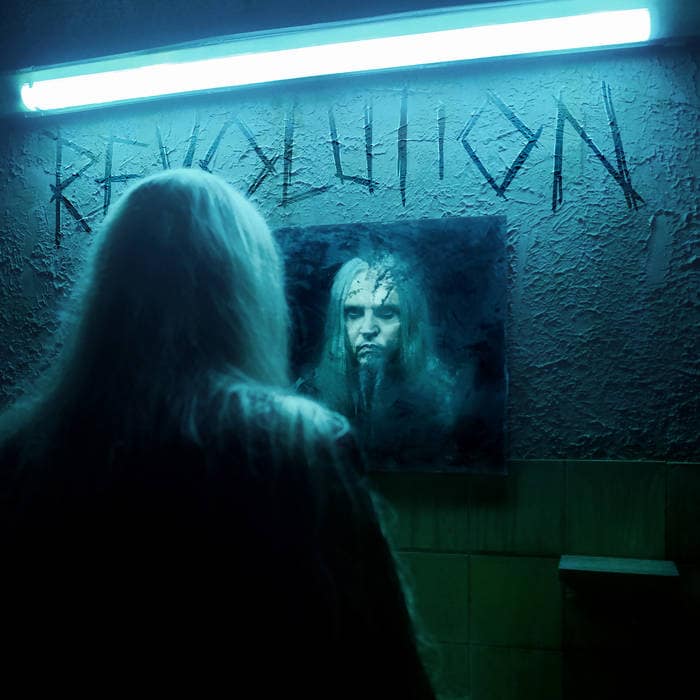
The crowdfunding approach to TourFlip's development also signals a broader trend within metal - community-driven solutions to industry-wide problems. Rather than waiting for external corporate solutions, metal veterans are leveraging their experience and fan loyalty to build infrastructure that serves the scene's specific needs.
Progressive Metal's Conceptual Renaissance
While economic pressures constrain touring opportunities, ambitious studio projects are experiencing unexpected growth. Geoff Tate's completion of Operation: Mindcrime III demonstrates how progressive metal veterans are using extended creative periods to develop sophisticated conceptual works that transcend simple album cycles.
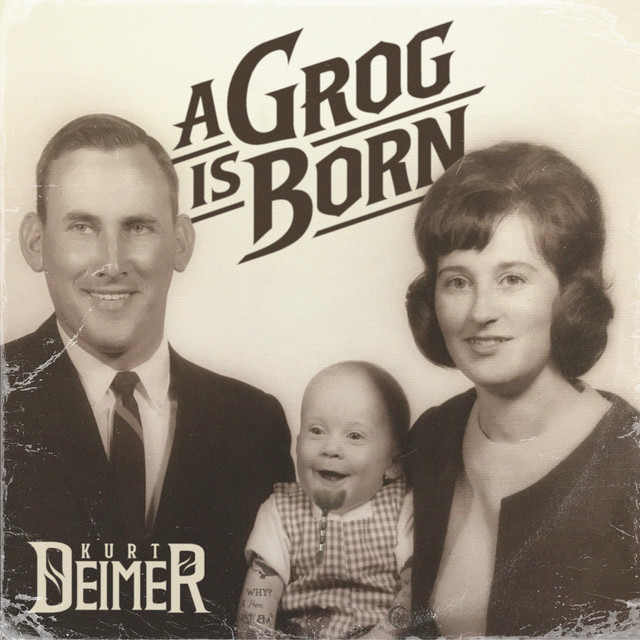
The live debut of "Power" from Mindcrime III at Milwaukee's Pabst Theater represents more than just a song premiere - it signals the continued relevance of complex, narrative-driven metal in an era often dominated by single-focused releases. Tate's decision to complete the trilogy decades after the original concept suggests that best metal albums of all time can inspire entirely new creative phases rather than simply existing as historical artifacts.
This approach to conceptual development reflects broader changes in how metal veterans approach their legacy work. Rather than touring constantly to support new releases, artists are investing in deep, meaningful projects that justify extended development cycles and create unique live experiences for dedicated audiences.
Festival Innovation Drives Live Music Evolution
Manchester's Outbreak Fest exemplifies how festival organizers are adapting to both economic pressures and changing audience expectations. The addition of genre-spanning acts like Joyce Manor and Algernon Cadwallader alongside established metal acts demonstrates the increasing fluidity between heavy music subgenres.
This curatorial approach serves multiple purposes: broadening audience appeal to justify higher production costs, creating unique experiences that differentiate festivals from standard touring packages, and providing platforms for both established and emerging acts to reach new audiences cost-effectively.
The festival model's success also highlights changing fan consumption patterns. Rather than following individual bands on extended tours, many metal fans now concentrate their live music investment in festival experiences that offer greater variety and value. This shift requires both organizers and performers to think strategically about maximizing impact within limited time slots.
Nu-Metal Veterans Navigate Modern Landscape
The current landscape presents unique opportunities for nu-metal veterans who built their careers during alternative distribution eras. Korn's live debut of "Reward The Scars" at Sick New World demonstrates how established acts can leverage festival platforms to introduce new material while maintaining connection to their historical catalog.
Coal Chamber's return to live performance following drummer Mikey "Bug" Cox's successful cancer treatment illustrates the deeply personal stakes involved in modern metal careers. Frontman Dez Fafara's gratitude for his bandmate's recovery underscores how health challenges and creative partnerships interweave in ways that transcend simple business relationships.
These personal elements increasingly define how metal bands touring 2026 approach their careers. The traditional "tour constantly or disappear" model has given way to more thoughtful approaches that prioritize sustainability, meaningful connections, and authentic creative expression over pure market presence.
Crossover Opportunities and Cultural Integration
Tom Araya's role as Grand Marshal for the Würth 400 at Texas Motor Speedway represents the growing integration of metal culture into mainstream American entertainment. The selection of Slayer's frontman for such a prominent role in NASCAR demonstrates metal's cultural penetration beyond traditional music industry boundaries.
This type of crossover opportunity provides revenue streams and exposure that can supplement traditional touring income while introducing metal to audiences who might never attend dedicated heavy music events. The symbolic power of Araya delivering the "drivers, start your engines" command also reinforces metal's association with power, precision, and high-energy performance.
Community Support Systems Strengthen Scene Bonds
The successful recovery of Josey Scott's stolen equipment demonstrates metal's community-first approach to crisis response. The rapid mobilization of fans, law enforcement, and industry contacts to locate and retrieve the stolen trailer showcases networks of mutual support that extend far beyond simple commercial relationships.
These community responses become increasingly important as economic pressures strain individual artists' resources. Equipment theft, medical emergencies, and financial crises that might end careers in other genres often become rallying points for collective action within metal scenes.
Looking Forward: Adaptation and Innovation
The current challenges facing international touring, combined with technological innovations and evolving fan expectations, are creating new models for metal career sustainability. Veterans like Geoff Tate, Mitch Harris, and others are pioneering approaches that balance artistic ambition with economic reality.
Social Distortion's Mike Ness promising more timely future releases after "Born To Kill" suggests that even punk veterans are adapting to changed industry dynamics. The 15-year gap between albums represents an older model, while his commitment to faster future cycles acknowledges fan expectations and economic necessities.
As 2026 progresses, the best metal bands will likely be those that successfully navigate these competing pressures while maintaining the authentic, community-focused values that define heavy music culture. Innovation and tradition must work together to ensure metal's continued global relevance despite unprecedented economic challenges.
The scene's response to current challenges suggests resilience and adaptability that extends far beyond simple musical performance. From technology platforms to conceptual albums, festival innovation to community support networks, metal continues evolving while preserving its essential character and values.