Twenty-Year Returns and Anniversary Spectacles: Metal's Long-Game Strategy Redefines Release Cycles
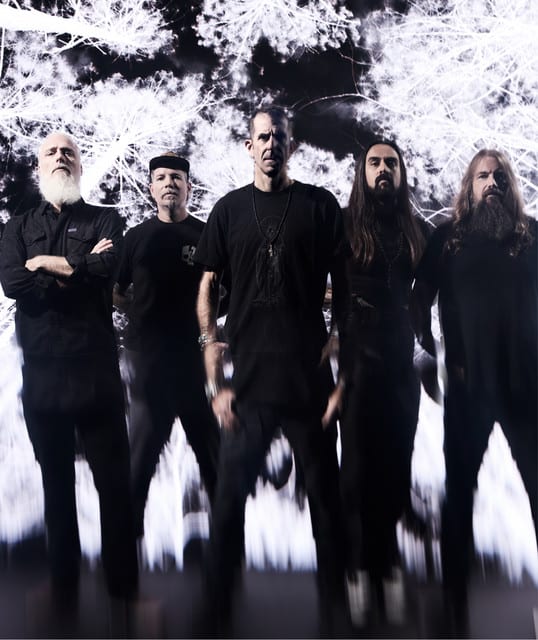
The metal world is witnessing an unprecedented phenomenon where extended development cycles and anniversary celebrations are becoming strategic advantages rather than industry liabilities. From 100 Demons emerging after two decades of silence to Five Finger Death Punch planning elaborate 20th anniversary spectacles, the genre's most compelling narratives now unfold across multi-year timespans that would have spelled commercial death in previous eras.
The Two-Decade Return Strategy
100 Demons' return with "Häxan Hammer" after twenty years represents more than nostalgia—it signals a fundamental shift in how hardcore and metal acts approach career longevity. The Massachusetts hardcore veterans haven't simply returned; they've strategically positioned their comeback during an era when extended absence creates mystique rather than irrelevance. Their new track demonstrates that stepping away from the constant content cycle can preserve artistic intensity in ways that annual releases cannot achieve.
This extended development approach resonates through multiple subgenres. When bands like Earthwalker and Pilgrim work within doom metal's naturally patient framework, they tap into the same philosophical approach that makes twenty-year gaps feel earned rather than abandoned.
Anniversary Tours as Strategic Positioning
Five Finger Death Punch's announcement of their 20th anniversary European tour with Lamb of God represents a masterclass in anniversary marketing that transcends simple nostalgia. By scheduling the celebration for 2027, they create anticipation cycles that span multiple years while positioning themselves alongside Lamb of God's equally substantial legacy. The addition of Scotland's Bleed From Within demonstrates how anniversary tours now function as platforms for cross-generational collaboration rather than backward-looking spectacles.
These anniversary strategies reflect broader changes in how the global metal scene values sustained presence over constant activity. Rather than rushing to capitalize on momentary relevance, established acts are discovering that strategic patience builds deeper audience investment. The best metal bands of the modern era understand that longevity requires both artistic integrity and business sophistication that previous generations couldn't access.

Nu-Metal's Live Evolution and Digital Strategy
Korn's performance of "Reward The Scars" at Sick New World exemplifies how veteran acts balance new material with crowd expectations during major festival appearances. Their inclusion of setlist rarities alongside fresh tracks demonstrates nuanced understanding of audience psychology—delivering the familiar while introducing progressive elements that keep their sound contemporary. This approach influences how bands across multiple subgenres approach festival appearances versus intimate venue performances.
The distinction becomes particularly relevant for acts working within thrash and groove metal frameworks. Bands like Terremoto and Marauder can observe how established acts navigate the balance between catalog satisfaction and creative advancement, learning from decades of audience cultivation that newer acts cannot access through conventional promotion alone.
Streaming Resurrections and Catalog Management
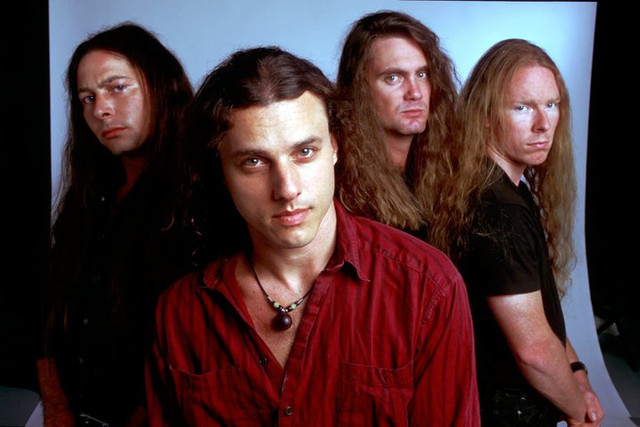
American Head Charge's return of "The War Of Art" to streaming platforms highlights another crucial development in metal's long-game strategy: catalog resurrection as audience development. When significant albums disappear and reappear on digital platforms, they create news cycles that function as marketing opportunities rather than simple archival maintenance. These resurrections often coincide with renewed band activity or anniversary campaigns that maximize exposure across multiple promotional channels.
This streaming strategy becomes particularly important for bands working within industrial metal and alternative metal frameworks, where catalog depth often exceeds current audience awareness. The ability to strategically deploy archival material creates promotional opportunities that supplement rather than compete with new releases.
Canadian Innovation and International Crossover Potential
Cancer Bats' forthcoming eighth studio album "Give Me Dirt" demonstrates how established hardcore punk acts leverage international collaboration networks to maintain creative momentum across extended careers. Their connections to Converge signal cross-pollination between different hardcore scenes that strengthens both individual releases and broader genre development. The "Stay Stuck" video debut creates multimedia promotion that extends single lifecycle beyond traditional radio cycles.
Canadian acts often pioneer approaches that later influence global metal marketing strategies. Their position between American and European markets provides unique perspective on international audience development that becomes increasingly valuable as touring costs force bands to optimize their geographic strategies. This international positioning becomes crucial for bands planning the kind of extensive touring campaigns that Five Finger Death Punch and similar acts execute across multiple continents.
Industry Substance and Professional Standards
Ray Luzier's revelation about losing opportunities with major acts due to his sobriety highlights ongoing tensions between metal's professional evolution and lingering subcultural expectations. His success with Korn despite—or perhaps because of—his commitment to sobriety demonstrates how professional standards in metal have evolved beyond the stereotypes that once defined industry participation. This shift toward professionalism enables the kind of long-term career planning that supports twenty-year anniversary tours and multi-decade comeback strategies.
These professional standards influence how new metal bands 2026 approach career development from their earliest stages. Rather than adopting unsustainable lifestyle approaches that previous generations normalized, emerging acts can observe how sustained professionalism creates opportunities for metal bands touring 2026 and beyond.
Documentation and Legacy Preservation
Alex Van Halen's forthcoming limited edition chronicle represents sophisticated legacy management that extends far beyond traditional band biographies. By creating only 1,500 signed copies worldwide, the publication becomes collectible artifact rather than mass market commodity. This scarcity approach transforms band documentation into investment opportunity while preserving exclusivity that mass digital distribution cannot replicate.
Similarly, Glen Matlock's autobiographical documentary "I Was A Teenage Sex Pistol" demonstrates how punk and metal veterans utilize modern digital platforms to share historical perspective while maintaining creative control over their narratives. These documentation projects influence how contemporary acts approach their own legacy building, understanding that modern careers require both immediate promotion and long-term archive development.
The Rolling Stones Factor and Sustained Innovation
The Rolling Stones' announcement of "Foreign Tongues" following their Grammy-winning "Hackney Diamonds" proves that sustained innovation remains possible across multi-decade careers when acts commit to creative risk-taking rather than formula repetition. Their approach influences how metal veterans approach late-career releases, demonstrating that audience expectations for "classic" sound can coexist with genuine creative advancement.
This sustained innovation philosophy becomes particularly relevant for bands working within traditional metal frameworks where audience expectations for familiar elements must balance against creative necessity. The best heavy metal songs often emerge when veteran acts successfully navigate this tension between tradition and progression.
The convergence of extended development cycles, anniversary celebrations, and strategic catalog management creates unprecedented opportunities for metal acts willing to think beyond conventional promotional timelines. Whether through twenty-year returns, multi-year anniversary campaigns, or sophisticated legacy preservation, the genre's most successful artists are discovering that patience and strategic thinking often deliver results that constant activity cannot achieve. For emerging acts studying these approaches, the lesson becomes clear: sustainable metal careers require both immediate impact and long-term vision that spans decades rather than album cycles.