Stadium Spectacles and Phone-Free Venues: Metal's Festival Era Embraces Technical Intensity While Challenging Digital Dependencies
The convergence of massive anniversary tours and technology debates reveals metal's current evolution as stadium-level acts embrace extended development cycles while underground movements challenge digital saturation. From Five Finger Death Punch's ambitious 2027 European campaign to emerging discussions about phone-free concert experiences, the genre navigates unprecedented scale while maintaining artistic authenticity.
Anniversary Tours Reshape Global Metal Touring Economics
Five Finger Death Punch's announcement of their 2027 European tour with Lamb of God represents a strategic shift in how metal's biggest acts approach milestone celebrations. This 20th-anniversary world tour demonstrates the increasing sophistication of metal's touring infrastructure, with bands now planning multi-year campaigns that span continents and incorporate multiple headline-worthy acts.
The inclusion of Scotland's Bleed From Within on this massive tour signals another important trend: established acts using their platform power to elevate emerging regional talent. This approach creates sustainable pathways for developing bands while ensuring that anniversary celebrations serve the broader metal community rather than functioning as pure nostalgia exercises.
These extended anniversary campaigns require unprecedented logistical coordination and represent substantial financial investments. The fact that major metal acts are committing to such elaborate touring schedules three years in advance suggests confidence in metal's continued commercial viability and international appeal. For regional scenes worldwide, these tours create opportunities for local opening acts and demonstrate successful models for career longevity.
Technical Innovation Meets Underground Authenticity
While stadium acts plan massive spectacles, metal's underground continues pushing creative boundaries through technical innovation. French psychedelic metal explorers SLIFT's new material represents the genre's experimental edge, combining heavy foundations with progressive elements that challenge traditional metal categorization. This approach demonstrates how modern metal bands can maintain heaviness while incorporating diverse influences.
Fear Factory's upcoming album promises to deliver both heaviness and modernity, according to guitarist Dino Cazares. This balance between aggressive intensity and contemporary production represents a crucial challenge for veteran metal acts: maintaining relevance without compromising the fundamental elements that defined their sound. The band's emphasis on surprises suggests an understanding that modern metal audiences expect evolution rather than repetition.
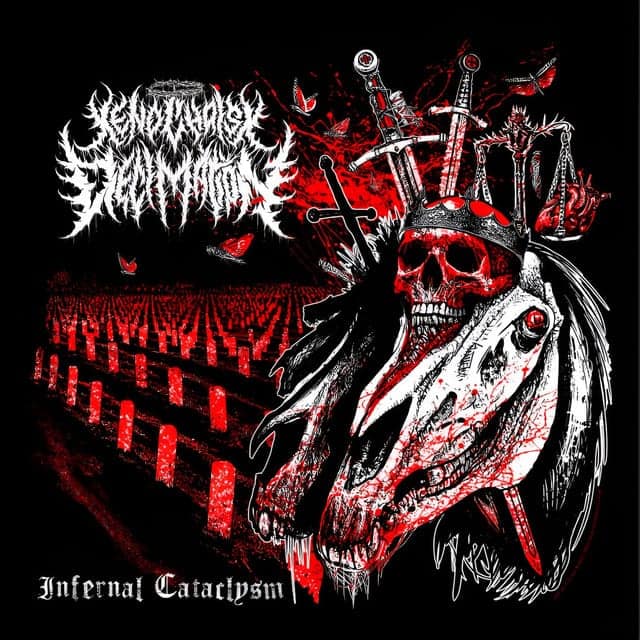
For death metal acts like Terrorthrone and Xenochrist Decimation, these developments in technical metal production offer inspiration for incorporating modern elements while maintaining brutal authenticity. The global metal scene benefits when established acts demonstrate that longevity requires creative risk-taking rather than formula adherence.
Digital Disconnection and Concert Experience Revolution
Megadeth guitarist Teemu Mäntysaari's endorsement of phone-free concerts represents a growing movement within metal to reclaim live performance intimacy. Following Ghost's successful implementation of no-phone policies using specialized pouches, metal artists increasingly recognize that digital documentation can diminish rather than enhance concert experiences.
This philosophy challenges metal's relationship with social media marketing and fan documentation. While bands rely on digital platforms for promotion and fan engagement, many artists now argue that concert venues should function as temporary sanctuaries from constant connectivity. The success of phone-free policies suggests that metal audiences value authentic live experiences over social media content creation opportunities.
The implications extend beyond individual concerts to broader questions about how metal maintains its countercultural edge in an increasingly digitized entertainment landscape. Bands advocating for phone-free venues essentially argue that metal's power requires undivided attention and communal focus rather than fragmented digital consumption.
Cross-Media Integration and Cultural Expansion
Metal's integration into gaming soundtracks continues expanding the genre's cultural reach, with major acts like Korn, Papa Roach, and Evanescence contributing to high-profile productions like Devil May Cry. This cross-media collaboration demonstrates metal's suitability for dramatic, action-oriented content while introducing the genre to audiences who might not otherwise engage with heavy music.
The selection of established metal acts for such projects rather than newer bands suggests that gaming companies value recognizable names and proven sonic quality over cutting-edge innovation. However, these placements create opportunities for metal music to reach younger demographics and international audiences through interactive entertainment rather than traditional music discovery methods.
Television appearances, like Mötley Crüe's American Idol performance, further demonstrate metal's mainstream acceptance while raising questions about how such exposure affects the genre's rebellious identity. The challenge becomes maintaining metal's countercultural essence while embracing opportunities for broader cultural impact.
Supergroup Formations and Legacy Projects
Living Wreckage's formation, featuring members of Anthrax and Shadows Fall, represents metal's continued tradition of cross-pollination between established acts. These supergroup projects allow veteran musicians to explore creative directions that might not fit within their primary bands while leveraging their collective experience and fan bases.
The band's "Righteous Side Of Sanity" demonstrates how experienced metal musicians can create fresh material that honors their individual legacies while pursuing new sonic territories. This approach offers a model for metal veterans seeking creative renewal without abandoning successful existing projects.
For thrash metal acts like Defcon and Steel Hellion, such supergroup formations demonstrate successful approaches to genre evolution and collaboration. The global metal scene benefits when established musicians continue pushing creative boundaries rather than simply maintaining existing repertoires.
Festival Adaptation and Emerging Talent Integration
The replacement of Thy Art Is Murder with 200 Stab Wounds at major festivals like Welcome To Rockville and Sonic Temple illustrates both the challenges facing international touring acts and the opportunities such situations create for emerging bands. Medical emergencies and logistical complications require festival organizers to maintain flexible rosters while ensuring quality replacements.
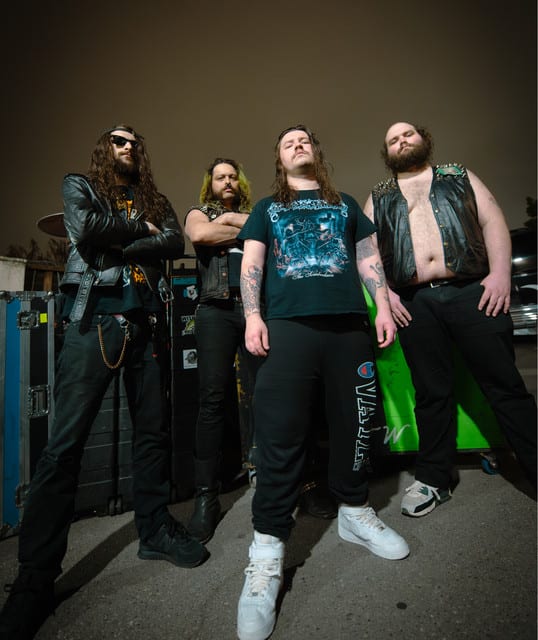
200 Stab Wounds' elevation to major festival status through this replacement opportunity demonstrates how unexpected circumstances can accelerate band development and exposure. Rather than viewing lineup changes as setbacks, metal festivals increasingly approach such situations as chances to introduce audiences to developing acts who might otherwise require years to achieve such prominent placement.
This adaptability reflects metal's community-oriented approach to crisis management and opportunity creation. The scene's ability to maintain quality experiences despite logistical challenges demonstrates the depth of talent available and the collaborative spirit that sustains metal's festival culture.
Documentation and Historical Preservation
Alex Van Halen's official band chronicle and Glen Matlock's autobiographical documentary represent metal and punk's increasing emphasis on historical documentation and legacy preservation. These projects serve educational purposes while ensuring that founding perspectives on influential movements receive proper documentation.
The limited edition nature of Van Halen's book and the digital release strategy for Matlock's documentary demonstrate different approaches to legacy content distribution. Premium physical editions serve collectors and dedicated fans while digital accessibility ensures broader cultural preservation and educational value.
Such documentation projects provide blueprints for how metal's current generation might eventually preserve their own legacies while offering contemporary bands insights into sustainable career development and cultural impact creation.
The current metal landscape demonstrates unprecedented sophistication in balancing massive commercial ventures with underground authenticity, technological integration with analog experience values, and legacy preservation with continued innovation. As anniversary tours expand and phone-free venues multiply, metal's evolution reflects both confidence in its cultural significance and commitment to protecting the essential elements that define authentic heavy music experiences.