Extreme Metal's Power Shift: DragonForce Welcomes First Female Frontwoman While Brutal Death Metal Scenes Accelerate Global Dominance
The global metal landscape is experiencing seismic shifts in 2026, with power metal pioneers and extreme metal veterans redefining their approaches to international expansion and artistic evolution. From groundbreaking lineup changes that shatter genre conventions to the continued brutalization of death metal's most uncompromising corners, this week's developments reveal how metal's most established acts are embracing transformation while underground scenes consolidate their influence.
DragonForce Makes History with Alissa White-Gluz Partnership
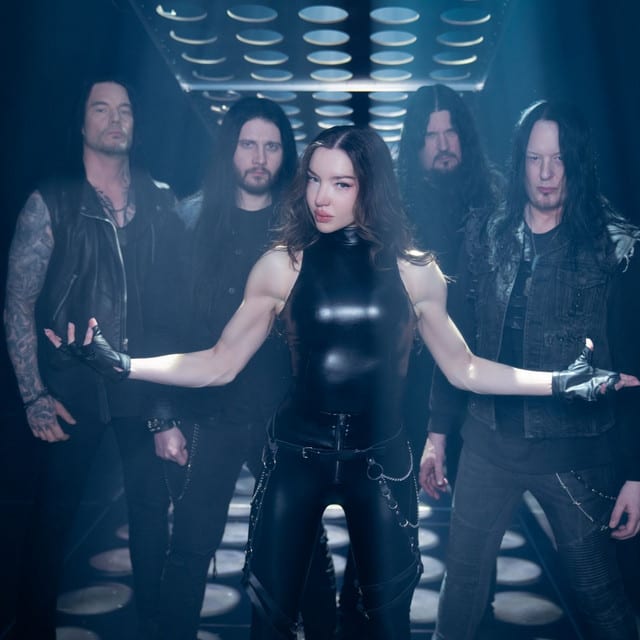
In perhaps the year's most significant lineup announcement, DragonForce has recruited Alissa White-Gluz as their new vocalist, marking the band's first female frontwoman in their two-decade career. This partnership represents more than a simple personnel change—it signals extreme power metal's willingness to evolve beyond traditional boundaries while maintaining the technical precision that defines the genre.
White-Gluz brings extensive experience from her work with Arch Enemy, where she demonstrated her ability to handle both melodic passages and aggressive vocal delivery. Her integration into DragonForce's hyperkinetic sound architecture suggests the band is preparing for their most ambitious creative phase yet. The announcement specifically emphasizes this as their "biggest, boldest and most electrifying era," indicating significant touring and recording plans ahead.
For the broader metal community, this partnership demonstrates how established acts are leveraging cross-pollination between subgenres to expand their creative possibilities. Power metal's theatrical elements combined with melodic death metal's vocal dynamics could produce entirely new approaches to extreme music composition.
British Brutal Death Metal Continues International Expansion
The UK's Ingested continues establishing themselves as definitive leaders in brutal death metal and slam scenes worldwide. Their relentless focus on promoting extreme music has elevated them beyond regional recognition into international benchmark status. This development reflects brutal death metal's increasing sophistication in audience development and international touring strategies.
The British crew's success illuminates how modern death metal bands are approaching global expansion differently than previous generations. Rather than relying solely on underground networks, contemporary brutal death metal acts are developing professional marketing strategies while maintaining their uncompromising artistic vision. This approach allows bands like Estrogenized and other extreme acts to build sustainable international careers without sacrificing the intensity that defines their sound.
Ingested's rise also demonstrates brutal death metal's growing influence on metal's broader ecosystem. Their promotional efforts have helped legitimize slam and brutal death metal subgenres, creating space for emerging acts to develop their own international followings.
American Death Metal's New Generation Achieves Mainstream Recognition
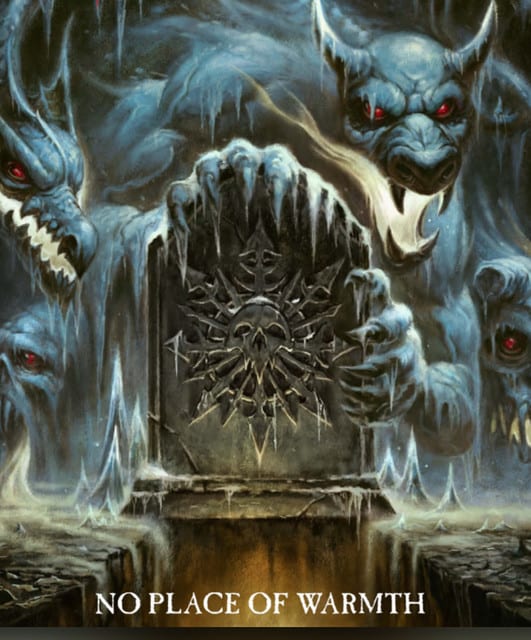
Texas-based Frozen Soul has emerged from underground origins to represent American death metal's newest wave of international ambassadors. Their trajectory from regional act to recognized figureheads illustrates how contemporary death metal bands are accelerating their development cycles through strategic recording and touring decisions.
The band's approach draws heavily from classic death metal templates while incorporating modern production techniques that appeal to both underground purists and newer metal audiences. This balance between tradition and innovation has become increasingly important as death metal continues expanding its global reach.
Frozen Soul's success provides a template for other American death metal acts seeking international recognition. Their emphasis on both technical proficiency and accessible songwriting demonstrates how modern death metal can maintain its extreme characteristics while building broader audience bases.
Crossover Thrash Experiences Creative Renaissance
Extinction A.D.'s latest single featuring Incendiary's Brian Audley represents crossover thrash's ongoing creative vitality. The collaboration emphasizes the subgenre's foundational principle of brevity and directness while incorporating contemporary hardcore influences. This approach reflects crossover thrash's ability to remain relevant through strategic partnerships between established and emerging acts.
The crossover thrash scene's current renaissance connects to broader trends in metal's collaborative landscape. Bands like Enforced and other crossover acts are finding new audiences by emphasizing the genre's punk roots while maintaining metal's technical intensity.
This collaboration model is becoming increasingly common as crossover thrash bands recognize the benefits of combining their established fan bases with hardcore and punk audiences. The result is expanded touring opportunities and increased visibility for both participating acts.
Gothic Metal Veterans Navigate Three-Decade Legacy Management
Swedish gothic metal pioneers Draconian continue demonstrating how veteran acts can maintain creative relevance while managing extensive discographies. After thirty years of consistent output, their approach to legacy management offers insights into long-term career sustainability in metal's increasingly competitive landscape.
The band's recent albums have received some of their most positive critical reception, suggesting that extended careers can produce increasingly sophisticated artistic results. This development challenges traditional assumptions about creative decline in aging metal acts and provides encouragement for other veteran bands seeking continued artistic growth.
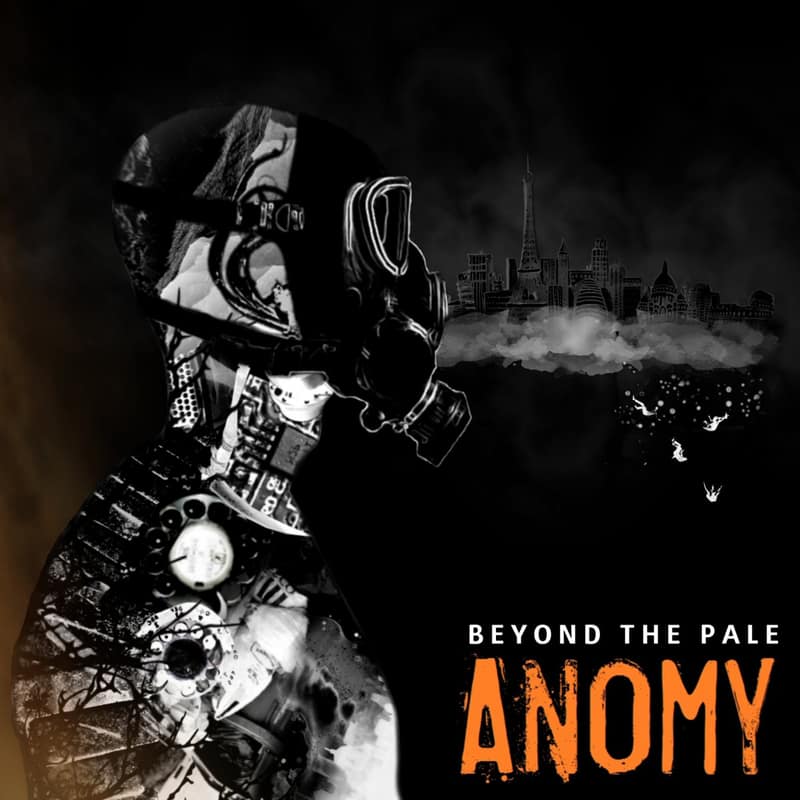
Draconian's success also highlights gothic metal's enduring appeal among metal audiences seeking atmospheric and melodic alternatives to more aggressive subgenres. Bands like Anomy and other gothic metal acts benefit from this continued audience interest in emotionally complex and musically sophisticated metal approaches.
Festival Culture and Live Performance Innovation
The current festival season has showcased metal's continued commitment to live performance innovation, with established acts using major festival appearances to debut new material and test creative boundaries. Korn's performance of unreleased tracks at Sick New World demonstrates how veteran acts are using festival platforms for creative experimentation rather than simply recycling established setlists.
This approach reflects metal's broader evolution toward treating festivals as creative laboratories rather than purely commercial ventures. Bands are increasingly willing to risk unfamiliar material in festival settings, recognizing that these environments often provide ideal testing grounds for new creative directions.
The strategy also benefits festival audiences, who receive exclusive access to developing material while witnessing bands in their most experimental phases. This creates stronger connections between artists and audiences while providing valuable feedback for ongoing creative projects.
International Touring and Regional Scene Development
Current touring announcements reveal metal's increasingly sophisticated approach to international market development. Bands are strategically planning multi-year touring cycles that allow for sustained regional presence rather than brief promotional visits.

Clutch's announcement of their fall 2026 tour with Slomosa and Blood Vulture demonstrates how established acts are partnering with emerging bands to develop new audiences while providing opportunities for underground acts to gain broader exposure. This collaborative approach benefits all participants while strengthening metal's overall community infrastructure.
The touring strategy also reflects metal's growing recognition of regional scene differences and the importance of sustained engagement with local metal communities. Rather than treating international markets as uniform entities, contemporary metal bands are developing region-specific approaches that acknowledge local scene characteristics and preferences.
As these developments continue shaping metal's global landscape, the genre's ability to balance innovation with tradition becomes increasingly apparent. From DragonForce's historic lineup change to brutal death metal's international expansion, 2026 is proving to be a year where metal's most established and emerging acts alike are pushing creative boundaries while honoring the fundamental intensity that defines heavy music's enduring appeal.