Underground Venues and Extreme Collaborations: Metal's Performance Revolution Embraces Natural Acoustics While Power Partnerships Define Sound
The metal scene is witnessing a fascinating convergence of performance innovation and collaborative evolution, as bands explore unconventional venues while forging unexpected partnerships that push sonic boundaries. From limestone caverns to festival stages, the genre's approach to live presentation is becoming increasingly sophisticated, while high-profile collaborations signal a new era of creative cross-pollination.
Natural Acoustics Meet Progressive Innovation
The underground metal scene is taking on a literal meaning as progressive pioneers embrace subterranean performance spaces. The concept of performing within natural limestone cave systems represents more than just novelty – it's part of a broader movement toward acoustic authenticity that challenges conventional venue expectations. These environments offer unique sonic properties that can't be replicated in traditional concert halls, creating immersive experiences that align perfectly with metal's emphasis on atmospheric intensity.
This trend toward unconventional venues reflects metal's ongoing evolution beyond standard performance paradigms. Bands are increasingly recognizing that the physical environment directly impacts the emotional resonance of their music, particularly in progressive and atmospheric subgenres where spatial dynamics play crucial roles in the overall experience.
For regional acts like Londor, whose experimental sludge approach would thrive in such acoustically unique environments, these developments suggest new possibilities for immersive performance art that transcends traditional concert boundaries.
Cross-Genre Collaborations Reshape Mainstream Metal
The collaborative landscape in metal continues to expand as established acts seek fresh creative partnerships that challenge genre conventions. Recent announcements of major collaborations between mainstream metal acts and iconic extreme metal vocalists demonstrate the genre's increasing comfort with cross-pollination between different metal subcultures.
These partnerships represent more than simple guest appearances – they signal a maturation in how metal approaches creative collaboration. When veteran extreme metal vocalists contribute to mainstream releases, it creates opportunities for both underground credibility and broader audience exposure. The resulting music often pushes both artists beyond their comfort zones, resulting in compositions that wouldn't exist within either artist's solo work.
This collaborative approach reflects broader trends in the global metal scene where boundaries between subgenres are becoming increasingly fluid. The most successful partnerships tend to emerge from mutual respect rather than commercial calculation, creating authentic chemistry that resonates with audiences across different metal communities.
Festival Circuit Expansion and Programming Innovation
The festival landscape continues evolving with announcements of multi-day events featuring diverse lineups that span multiple metal subgenres. Programming strategies now emphasize creating comprehensive experiences rather than simply booking marquee headliners. Event organizers are incorporating elements beyond traditional performances, including competitive elements and interactive experiences that engage audiences between sets.
For metal bands touring 2026, these expanded festival formats present both opportunities and challenges. The increased competition for audience attention requires more dynamic performance approaches, while the extended event formats allow for more experimental setlist choices and collaborative opportunities between acts on the same bill.
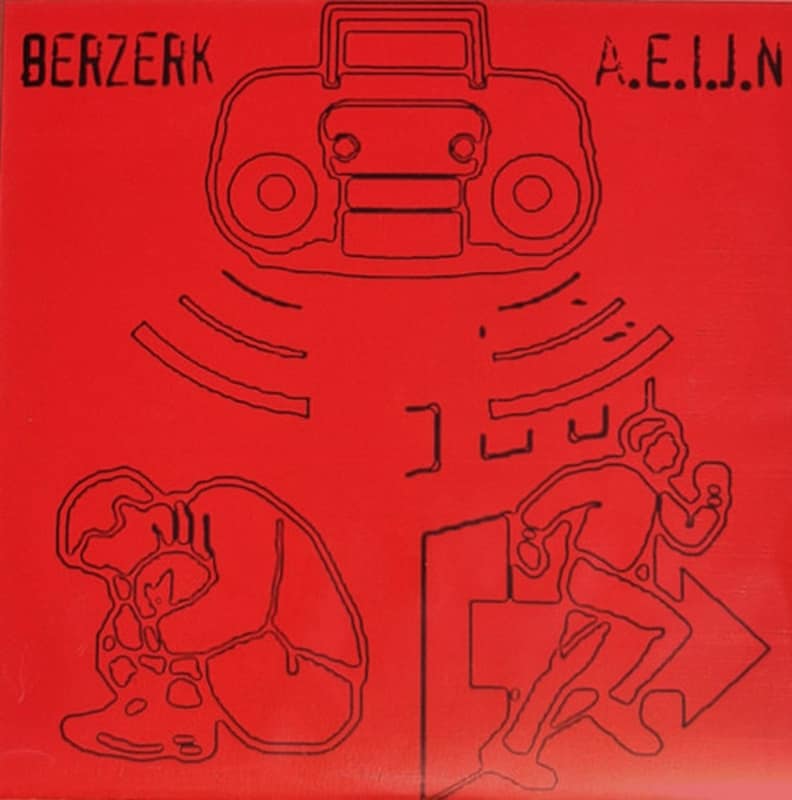
Regional acts like Berzerk, whose death metal and groove metal combination fits perfectly within these diverse festival lineups, benefit from programming approaches that celebrate metal's stylistic diversity rather than segregating subgenres into separate events.
Documentary Projects and Visual Storytelling
The increasing sophistication of metal-focused documentary projects reflects the genre's growing cultural legitimacy and historical consciousness. Recent premieres of major band documentaries demonstrate production values and storytelling approaches that rival mainstream entertainment productions, elevating metal narratives beyond simple behind-the-scenes footage.
These projects serve multiple functions within the metal ecosystem – they preserve historical narratives for future generations while providing current marketing momentum for ongoing tours and releases. The visual production techniques being employed in these documentaries often incorporate animated elements and stylized presentations that complement the theatrical aspects of metal performance.
For emerging and regional bands, these high-profile documentary releases establish precedents for how metal stories can be told through visual media. The success of these projects suggests growing audience appetite for metal-focused content that goes beyond live performance footage.
Accessibility and Inclusion Initiatives
Industry discussions around concert accessibility and pricing reveal growing awareness of economic barriers that can exclude fans from live metal experiences. Veteran artists are increasingly vocal about maintaining reasonable ticket prices and avoiding exclusionary pricing structures that favor wealthy attendees over dedicated fans.
This philosophy extends beyond ticket pricing to encompass broader accessibility concerns, including venue selection and touring routing that serves diverse geographic communities rather than concentrating exclusively in major metropolitan areas. The approach recognizes that metal's strength lies in its diverse, passionate community rather than its potential for premium pricing.
For new metal bands 2026, these industry conversations establish important precedents about balancing commercial success with community accessibility. Bands that embrace these principles early in their careers often develop stronger, more sustainable fan relationships.
International Vocalist Partnerships and Genre Evolution
The announcement of major international vocalist changes within established bands represents more than personnel shifts – these moves reflect strategic artistic evolution designed to expand creative possibilities while maintaining core musical identities. When bands with decades-long careers embrace such fundamental changes, it signals confidence in their musical foundations and willingness to explore new creative territories.
These transitions often coincide with broader stylistic evolution within their respective subgenres. Power metal, in particular, has experienced significant expansion in both technical complexity and emotional range, making room for different vocal approaches that would have seemed incompatible with earlier iterations of the style.
Local power metal and progressive acts like Titan Force can draw inspiration from these high-profile artistic risk-taking examples, recognizing that genre boundaries are more flexible than traditional thinking might suggest.
Legacy Acts and Farewell Tours
The announcement of final tour cycles by influential bands creates complex emotional dynamics within metal communities. These farewell tours represent both celebration and mourning, as fans recognize the end of eras while celebrating decades of musical contributions. The feminist punk and metal crossover influences of bands embarking on final tours have shaped multiple generations of heavy music artists.
For the broader metal scene, these farewell announcements serve as reminders of the genre's historical depth and the importance of experiencing influential acts while opportunities remain available. They also create space for newer bands to carry forward the musical and cultural traditions established by departing veterans.
The impact extends beyond individual band legacies to influence how emerging artists approach career longevity and creative sustainability. Watching how veteran acts manage farewell tours provides valuable lessons about maintaining artistic dignity while honoring fan relationships.
Regional Scene Development and Global Connections
The interconnected nature of modern metal scenes means that developments in major markets quickly influence regional communities worldwide. Venue innovations, collaborative approaches, and festival programming strategies pioneered in established markets provide templates that regional scenes can adapt to their specific contexts and resources.
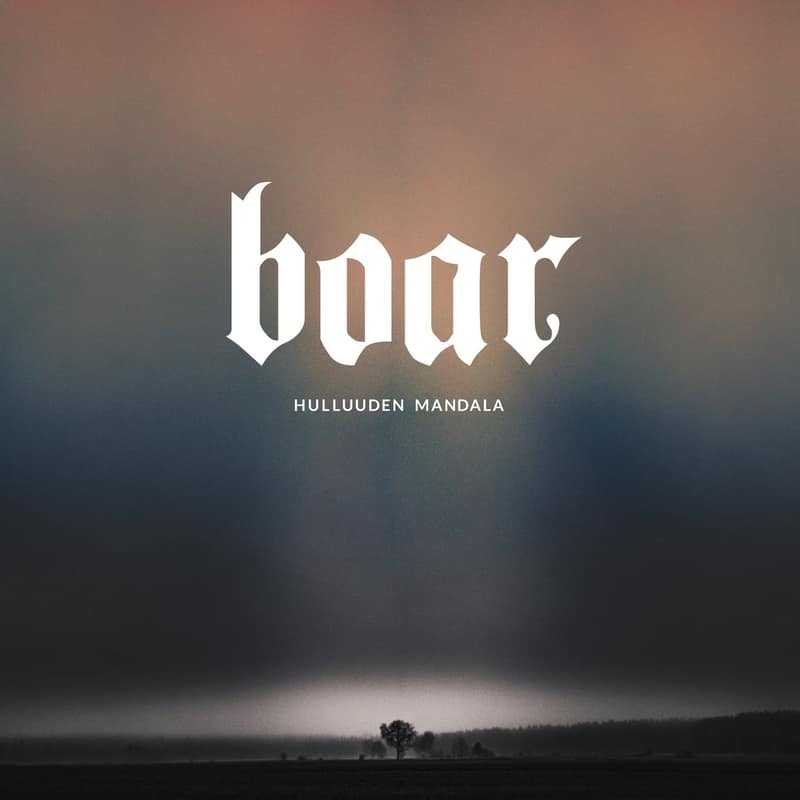
For local acts across various subgenres – from the stoner metal territories explored by Boar to the black metal intensity of Nova – these industry developments create new possibilities for creative expression and audience engagement that weren't available to previous generations of metal artists.
The key lies in understanding which innovations translate effectively to smaller markets and which require significant adaptation. Regional scenes that successfully incorporate elements from major market developments while maintaining their unique character often achieve the strongest sustainable growth.
As metal continues evolving through these collaborative and innovative approaches, the genre demonstrates remarkable adaptability while preserving the essential elements that define its cultural identity. The balance between tradition and innovation remains metal's greatest strength, ensuring continued relevance across diverse global communities.