Solo Ventures and Album Title Wars: Metal Frontmen Pursue Individual Identity While Genre Veterans Battle Creative Ownership
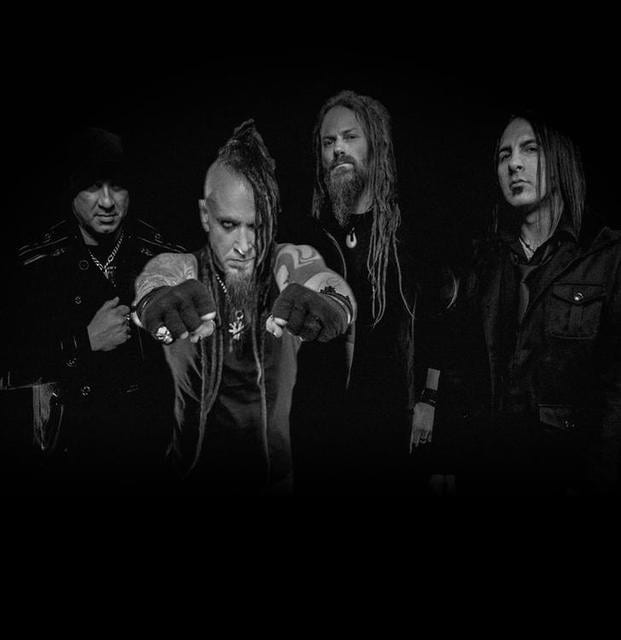
The metal landscape is witnessing an intriguing shift as established frontmen explore solo territories while genre veterans engage in heated debates over creative ownership. These developments reveal how metal's most recognizable voices are asserting individual artistic identities beyond their primary bands, even as the scene grapples with questions of originality and territorial disputes.
Frontmen Breaking Creative Boundaries
Chad Gray's announcement of potential solo material represents a fascinating evolution for one of metal's most versatile vocalists. Fresh off his "30 Years Of Madness" series launch at the Fremont Country Club in Las Vegas, Gray's openness to solo ventures signals a broader trend among established metal frontmen seeking creative outlets beyond their primary bands. His collaboration with HELLYEAH guitarist Christian demonstrates how these solo projects often maintain connections to existing musical partnerships while exploring new creative territories.
This trend toward frontman independence reflects metal's maturation as a genre where individual artistic vision can coexist with band commitments. Unlike the ego-driven solo projects of the past, today's metal solo ventures appear more collaborative and experimental, focusing on artistic exploration rather than commercial dominance.
Genre Veterans Clash Over Creative Territory
The heated exchange between Venom and Lamb of God over the album title "Into Oblivion" illuminates ongoing tensions about creative ownership in metal. Venom's aggressive stance—claiming they "wrote the song five years ago" and declaring "we were there first"—represents more than simple territorial dispute. It reflects deeper concerns about how established bands protect their creative legacy in an increasingly crowded marketplace.
This controversy highlights the delicate balance between coincidence and influence in metal's creative ecosystem. When two respected acts independently arrive at similar concepts, the resulting friction reveals how protective veteran bands have become of their intellectual territory. Venom's blunt response suggests these disputes may become more common as metal's extensive catalog makes unique concepts increasingly rare.
Live Performance Innovation and Setlist Archaeology
Korn's debut of "Reward The Scars" at Sick New World demonstrates how veteran acts use major festivals to test new material with massive audiences. This strategic approach to premiering tracks has become increasingly sophisticated, with bands leveraging festival energy to gauge fan response before official releases. The inclusion of setlist rarities alongside new material shows how established acts balance nostalgic expectations with creative progression.
Cold's decision to surprise fans with tracks from their gold-certified albums represents a different approach to legacy management. Rather than simply relying on greatest hits formulas, they're strategically reintroducing deeper catalog material, suggesting a more nuanced understanding of fan expectations and catalog value.
Industry Recognition and Commercial Milestones
Five Finger Death Punch's achievement of their first multi-platinum single marks a significant milestone for a band that has consistently dominated metal charts while facing critical skepticism. This commercial success, described as taking "a little bit" of time, actually represents years of sustained audience building and strategic marketing. Their achievement demonstrates how persistence and fan loyalty can eventually translate into industry recognition.
Saosin's first gold album certification in the United States—notably achieved with their Cove Reber-fronted record—highlights the complex dynamics of band lineups and commercial success. The specification that this was "a Cove record" acknowledges the ongoing debates within post-hardcore and metalcore communities about lineup authenticity and commercial viability.
Collaborative Surprises and Special Performances
Ice Nine Kills' collaboration with MAPHRA for the live debut of "Twisting The Knife" exemplifies modern metal's collaborative spirit. These strategic guest appearances have evolved beyond simple promotional stunts into meaningful artistic partnerships that enhance both acts' creative profiles. The timing at Welcome To Rockville suggests major festivals have become preferred venues for these collaborative premieres.
Nonpoint's reunion with original bassist Ken MacMillan for their "definitive track" represents the growing trend of bands reconnecting with founding members for special performances. These reunions often generate significant fan excitement while demonstrating how veteran acts can honor their history without permanent lineup changes.

Local Scene Connections and Death Metal Excellence
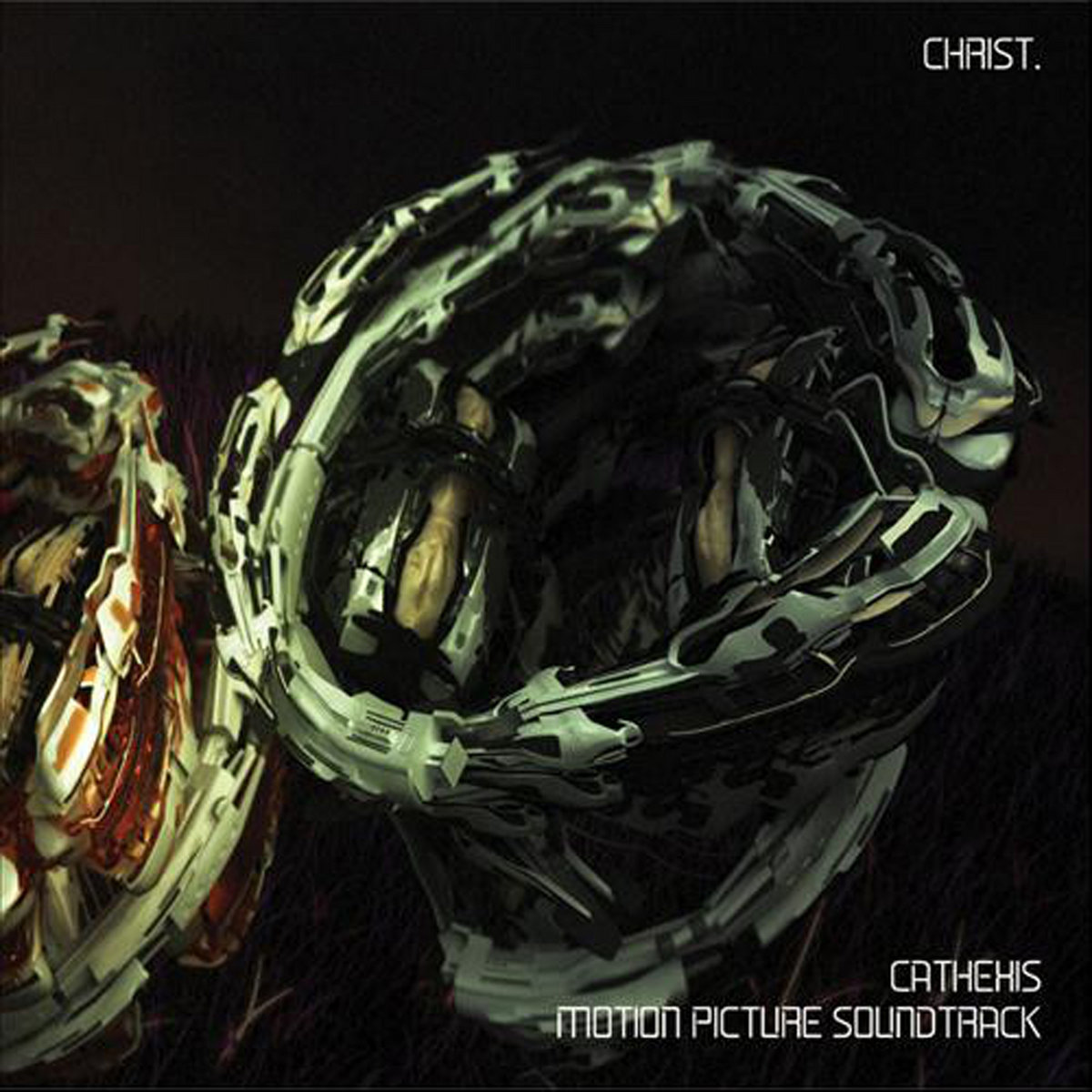
The current wave of individual artistic expression particularly resonates within death metal circles, where technical proficiency and creative innovation drive constant evolution. Bands like Christ represent the death metal community's commitment to pushing creative boundaries while maintaining genre authenticity. Their approach to extreme metal composition reflects the same individual artistic vision that drives frontmen like Chad Gray toward solo exploration.
This emphasis on individual creativity within collaborative frameworks mirrors broader developments across metal's extreme subgenres, where musicians increasingly view their primary bands as platforms for exploring personal artistic statements rather than limiting creative containers.
Weather Disruptions and Festival Realities
Poppy's set cancellation at Welcome To Rockville due to severe weather warnings—ironically during "have you had enough?"—illustrates the unpredictable challenges facing modern metal festivals. These disruptions force both artists and audiences to adapt quickly, often creating memorable moments despite disappointing circumstances. The specific timing adds unintentional humor to what was undoubtedly a frustrating situation for both performer and fans.
Multi-Platform Metal Representation
WWE NXT's Lizzy Rain's commitment to representing heavy metal in wrestling demonstrates metal's expanding cultural influence beyond traditional music boundaries. Her dedication to making "all the metal heads proud" while sharing how metal music created special bonds with her brother illustrates the genre's powerful community-building aspects. This crossover representation helps legitimize metal culture in mainstream entertainment contexts.
Future Implications for Metal's Creative Landscape
These developments collectively suggest metal is entering a phase where individual artistic identity operates alongside band commitments rather than in competition with them. The combination of solo ventures, collaborative performances, and strategic catalog management indicates a mature approach to career development that prioritizes creative fulfillment over traditional industry constraints.
The territorial disputes over creative concepts, while generating controversy, actually demonstrate metal's vitality and continued relevance. When established acts feel compelled to defend their creative territory, it signals a thriving marketplace where new ideas carry significant value.
As the metal scene continues evolving, the balance between individual expression and collaborative creation will likely define the genre's next creative phase. Whether through solo ventures, guest collaborations, or strategic reunions, metal's most experienced voices are finding new ways to honor their legacies while pushing creative boundaries forward.