Deathcore Dynasty and Creative Confessions: Carnifex's Label Power Move While Artists Embrace Raw Vulnerability
The metal world is witnessing a fascinating dichotomy as established extreme metal acts secure major label backing while emerging artists strip away pretense to deliver unfiltered personal narratives. This week's developments reveal how the genre continues to evolve across both commercial and artistic spectrums.
Carnifex Joins Sumerian's Extreme Metal Empire
Southern California's deathcore stalwarts Carnifex have officially joined Sumerian Records' roster, marking a significant strategic move for both the band and the label. The partnership launches with "Roses And Rotting Corpses," a new single that exemplifies why Carnifex remains one of extreme music's most consistent forces after nearly two decades of brutal output.
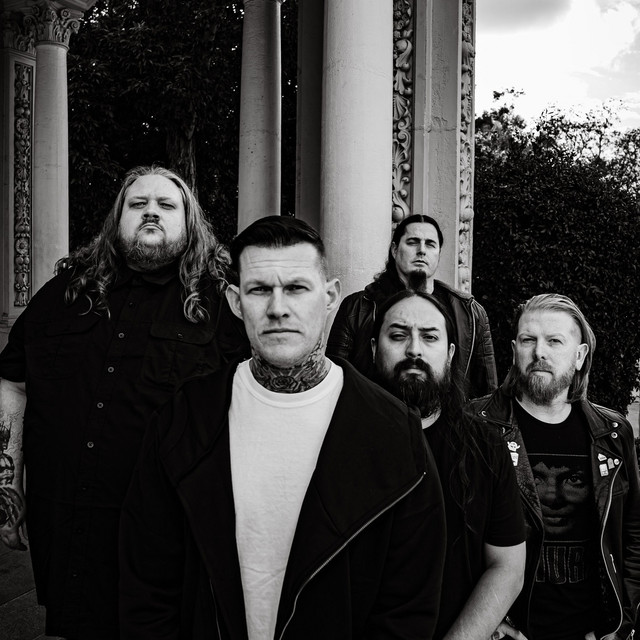
This signing represents more than just a label change—it signals Sumerian's continued investment in established extreme metal acts with proven track records. Carnifex brings a legacy of uncompromising deathcore that has weathered numerous shifts in metal's commercial landscape. Their ability to maintain relevance while staying true to their brutal roots makes them an ideal fit for Sumerian's diverse roster of heavy acts.
The timing of this announcement coincides with deathcore experiencing renewed commercial success. Bands like Creeping Death have shown how extreme metal can bridge underground authenticity with broader appeal, creating space for veteran acts like Carnifex to reach new audiences without compromising their sound.
Arizona Thrash Veterans Return to the Studio
Meanwhile, Sacred Reich continues work on "Into The Abyss," their follow-up to 2019's critically acclaimed "Awakening." The Arizona thrash metal pioneers are mixing the album with legendary producer Bill Metoyer, whose resume includes some of metal's most influential releases. The collaboration suggests Sacred Reich is aiming for a sound that honors both their classic era and contemporary production values.
The band's decision to record at The Focusrite Room in Mesa, Arizona, with John Aquilino demonstrates their commitment to local music infrastructure while working with Metal Blade Records for the tentative late 2026 release. This approach reflects a growing trend among established metal acts who are balancing major label resources with intimate, regional recording environments.
Festival Circuit Faces Weather and Lineup Challenges
The festival scene experienced notable disruptions, with Poppy's Welcome To Rockville set canceled during the opening song due to severe weather warnings. The irony wasn't lost on observers that the cancellation occurred during "have you had enough?"—a moment that highlighted the unpredictable nature of outdoor metal events.
Breaking Benjamin also made waves at Welcome To Rockville, debuting both new material and a new drummer. These lineup changes and new songs suggest the band is positioning themselves for a significant comeback after a period of relative quiet. The festival setting provided the perfect testing ground for new material before committed fans.
Nu-Metal Icons Embrace Live Innovation
Korn's performance of "Reward The Scars" at Sick New World demonstrated how veteran nu-metal acts continue evolving their sound while satisfying longtime fans with setlist rarities. The band's ability to balance new material with deep cuts shows sophisticated understanding of their audience's desires for both nostalgia and progression.
This approach reflects broader trends in metal touring, where established acts are using festival appearances to test new material in high-energy environments before committing to full album cycles. The strategy allows bands to gauge fan reaction and refine songs based on live performance dynamics.
Vulnerability and Confessional Songwriting Takes Center Stage
Jim E. Brown's new album "Dirt" represents a striking counterpoint to metal's often aggressive posturing. With tracks like "She Said My Face Smelled of Butter," "Ryan Adams Unfollowed Me on Instagram," and "I Wish I Didn't Hate Myself," the release embraces uncomfortable honesty and self-deprecating humor that challenges traditional metal masculinity.
This confessional approach reflects growing acceptance of mental health discussions within metal communities. Artists are increasingly willing to explore personal struggles through their music, creating space for fans dealing with similar issues. The specificity of Brown's song titles suggests a move away from generic angst toward detailed, almost uncomfortable personal revelation.
Cross-Genre Collaborations Expand Metal's Boundaries
Ann Wilson's collaboration with Burt Bacharach on "Nothing But Love" exemplifies how rock and metal veterans are embracing unexpected partnerships. The song arrives alongside Wilson's documentary "In My Voice," suggesting a multimedia approach to career retrospection that goes beyond traditional album-tour cycles.
These cross-pollination efforts demonstrate metal's increasing confidence in engaging with other musical traditions. Rather than viewing collaboration as compromise, artists are treating it as creative expansion that can introduce metal sensibilities to new audiences while bringing fresh perspectives to established sounds.
Industry Business Moves Reveal Economic Realities
The Red Hot Chili Peppers' $300 million deal with Warner Music Group, which includes giving up masters rights, highlights the complex financial decisions facing even massively successful artists. While not strictly metal, this arrangement affects the broader rock ecosystem and sets precedents for how established acts balance immediate financial security against long-term creative control.
Similarly, Saosin achieving their first gold certification in the United States demonstrates how streaming and catalog sales can eventually reward artistic persistence. The recognition comes years after the album's initial release, suggesting that metal and adjacent genres operate on longer commercial cycles than mainstream music.
Title Disputes and Creative Ownership
The amusing controversy between Venom and Lamb of God over both bands using "Into Oblivion" as album titles reveals how even veteran acts navigate creative overlap. Venom's insistence that they "wrote the song five years ago" highlights the complex relationship between artistic inspiration and coincidental similarity in metal's vast creative landscape.
This dispute, while likely playful, underscores how established bands must balance respect for peers with protection of their own creative territory. The situation also demonstrates metal's relatively small world, where similar creative minds often arrive at comparable concepts independently.
Steel Panther's return with their characteristically irreverent anthem dedicated to mothers worldwide shows how parody metal continues finding fresh angles for humor while maintaining musical competence. The band's ability to sustain their concept across multiple albums proves that even comedic metal requires genuine musical skill and creative consistency.
These diverse developments—from Carnifex's strategic label move to Jim E. Brown's vulnerable confessions—illustrate metal's remarkable capacity for simultaneous commercial sophistication and artistic risk-taking. The genre continues expanding its emotional and creative range while maintaining the intensity that defines its core appeal. Whether through brutal deathcore, confessional songwriter vulnerability, or unexpected collaborations, metal's current landscape offers space for both established dynasties and emerging voices willing to push boundaries.