Vocal Evolution and Cultural Fusion: Metallica's Greek Tribute and Alissa White-Gluz's Genre-Hopping Define Metal's Boundary Expansion
The global metal scene is experiencing a fascinating evolution in how established acts connect with local cultures and how versatile vocalists navigate multiple projects simultaneously. Recent developments showcase metal's growing sophistication in cultural integration and artistic flexibility, with major acts embracing regional traditions while seasoned performers demonstrate unprecedented genre mobility.
Metallica's Cultural Bridge-Building Through Greek Traditions
Metallica's recent Athens performance represents a masterclass in cultural sensitivity and audience connection that goes far beyond typical touring protocol. During their Olympic Stadium show, Kirk Hammett and Robert Trujillo delivered an acoustic rendition of "Zorba's Dance," transforming the iconic Greek composition into a metal-infused tribute that honored local traditions while maintaining the band's signature intensity.
This gesture reflects a broader trend among best metal bands who are increasingly recognizing that successful international touring requires genuine cultural engagement rather than simply transplanting identical performances across different markets. The choice to incorporate Greek musical elements demonstrates how veteran acts can maintain authenticity while showing respect for regional heritage, creating memorable moments that resonate with local audiences on a deeper level.
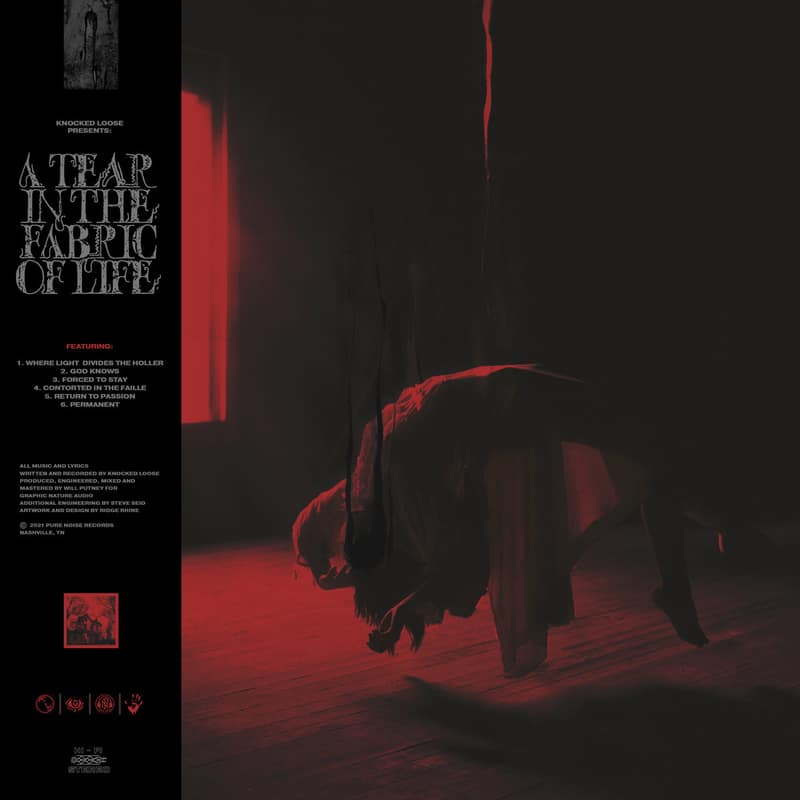
The performance, supported by Gojira and Knocked Loose, also highlights how diverse lineup curation is becoming essential for metal bands touring 2026. By pairing their cultural tribute with these contemporary acts, Metallica created a multi-generational experience that honored tradition while showcasing metal's current evolution.
Alissa White-Gluz's Multi-Project Renaissance Signals New Artist Model
Perhaps no current metal figure better exemplifies the modern artist's ability to navigate multiple creative streams than Alissa White-Gluz. Her simultaneous involvement with DragonForce as a touring vocalist and Blue Medusa as a creative outlet demonstrates how experienced performers are redefining career sustainability and artistic expression in 2026.
White-Gluz's debut with DragonForce, necessitated by Marc Hudson's hearing concerns, showcases the global metal scene professional network that enables rapid collaboration when circumstances demand it. Her ability to seamlessly adapt her vocal approach to DragonForce's power metal requirements while developing Blue Medusa's distinct sound reveals the versatility that defines today's most successful metal vocalists.
This multi-project approach offers both practical and creative advantages. Artists can explore different sonic territories without abandoning successful partnerships, while maintaining income streams and creative stimulation across various projects. White-Gluz's "Flying Monkey" video release with Blue Medusa represents the kind of creative freedom that emerges when artists aren't constrained to single-band identities.
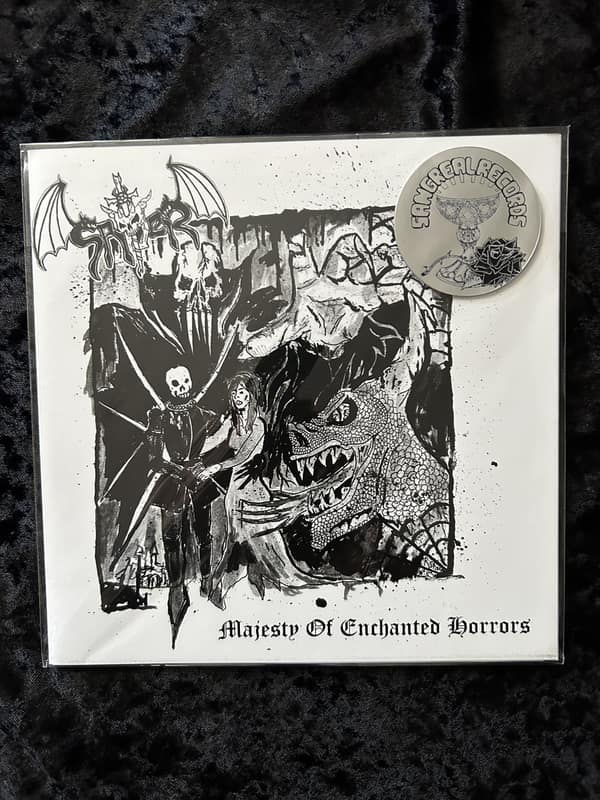
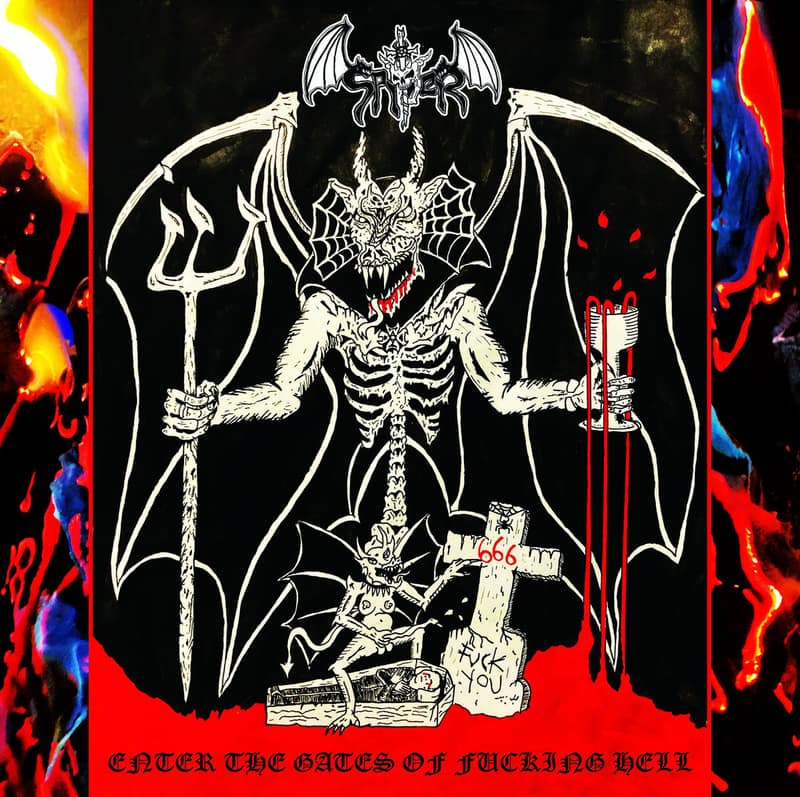
For emerging acts like Spiter and other black metal practitioners pushing creative boundaries, White-Gluz's model demonstrates how established artists can maintain relevance while exploring new territories without compromising their core identity.
Festival Performance Dynamics and Cross-Genre Collaboration
The festival circuit continues serving as metal's primary laboratory for creative experimentation and audience development. Korn's premiere of "Reward The Scars" at Sick New World illustrates how new metal bands 2026 and veteran acts alike use festival platforms to test new material in high-energy environments before committing to recording or touring strategies.
Festival environments also enable the kind of spontaneous collaborations that are becoming increasingly common in metal. Ken MacMillan's appearance with Nonpoint at Welcome to Rockville demonstrates how festival settings facilitate reunions and guest appearances that would be logistically challenging during standard touring cycles.
These collaborative opportunities are particularly valuable for artists exploring different genres. Progressive and experimental acts can benefit from studying how veterans like White-Gluz adapt their approach across different musical contexts, whether in power metal settings with DragonForce or more experimental territories with Blue Medusa.
Symphonic Black Metal's Uncompromising Vision
While some artists embrace genre fluidity, others double down on artistic purity. Dimmu Borgir's Silenoz recently emphasized the band's commitment to never taking "the easy way out" or compromising their vision, representing an important counterpoint to metal's increasing collaborative tendencies.
This uncompromising approach, particularly relevant as Dimmu Borgir prepares their upcoming "Grand Serpent Rising" release, demonstrates that artistic integrity and commercial success aren't mutually exclusive in modern metal. Their symphonic black metal approach requires substantial orchestral arrangements and complex production, representing significant financial and creative investments that mainstream trends don't necessarily support.
For black metal practitioners, including regional acts exploring similar territories, Dimmu Borgir's stance offers validation that maintaining genre purity can coexist with professional success. This philosophy particularly resonates with atmospheric and experimental black metal artists who face pressure to simplify their sound for broader accessibility.
Upcoming Album Announcements Shape 2026 Landscape
The announcement of significant album releases continues shaping metal's creative trajectory. Mastodon's confirmation of their ninth studio album arrival demonstrates how progressive metal veterans maintain creative momentum while Saxon's upcoming 25th studio album showcases remarkable longevity in heavy metal's traditional sectors.
These veteran releases provide important context for emerging artists. Saxon's quarter-century of album releases represents sustained creative output that modern bands can study for career longevity strategies, while Mastodon's continued innovation in progressive territories demonstrates how established acts can maintain relevance without repeating themselves.
The timing of these announcements also reveals strategic considerations about release schedules and market positioning. By announcing projects early, these acts can build anticipation while coordinating touring and promotional activities that maximize impact across their established fan bases.
Recognition and Career Milestone Celebrations
Saosin's achievement of gold certification for their 2006 debut album, twenty years after its release, illustrates how metal's catalog value continues growing over time. This delayed recognition pattern is becoming increasingly common as streaming platforms expose classic albums to new audiences who weren't present during original release cycles.
This phenomenon offers encouragement for contemporary artists who may not achieve immediate commercial success. The extended timeline between release and recognition suggests that quality material can find its audience across decades, particularly as metal's historical catalog receives renewed attention from younger listeners exploring the genre's development.
Physical Performance Adaptations and Career Longevity
Tarja Turunen's decision to abandon high heels during performances represents practical adaptations that enable career longevity without sacrificing artistic impact. Her acknowledgment that comfort and safety considerations now outweigh traditional performance aesthetics demonstrates how experienced performers prioritize sustainability over conventional expectations.
This shift reflects broader conversations about performer wellness and career sustainability that are becoming increasingly prominent in metal. As audiences become more aware of the physical demands placed on touring musicians, particularly vocalists, practical adaptations like Turunen's receive support rather than criticism.
These considerations are particularly relevant for the countless regional acts building their performance capabilities. Understanding that successful careers require balancing artistic vision with physical sustainability can inform everything from stage design to touring schedule planning.
The current metal landscape rewards both cultural sensitivity and artistic flexibility while maintaining space for uncompromising creative visions. Whether through Metallica's Greek tribute, White-Gluz's multi-project success, or Dimmu Borgir's artistic purity, today's best metal bands demonstrate that success emerges from authentic artistic choices rather than generic industry formulas. For emerging artists, these examples provide diverse models for building sustainable careers that honor both personal vision and audience connection.