Cross-Cultural Celebrations and AI Skepticism: Metallica's Greek Tribute and Industry Veterans Push Back Against Digital Homogenization
The global metal scene continues to demonstrate its cultural sophistication while maintaining skeptical distance from technological shortcuts, as Metallica's tribute to Greek heritage at their Athens performance contrasts sharply with veteran musicians' warnings about artificial intelligence's encroachment on creative authenticity.
Cultural Integration Reaches New Heights in Festival Settings
Metallica's recent performance in Athens showcased metal's growing embrace of cultural integration when Kirk Hammett and Robert Trujillo performed "Zorba's Dance" during their show at the Olympic Stadium. This spontaneous tribute to Greek musical heritage represents more than mere crowd-pleasing—it signals a mature approach to international touring that acknowledges local cultural traditions while maintaining artistic integrity.
The Athens show, featuring support from Gojira and Knocked Loose, also set new concert attendance records, proving that audiences respond powerfully to authentic cultural gestures. This approach contrasts dramatically with generic stadium shows that ignore local identity, suggesting that the best metal bands of 2026 understand that global success requires genuine cultural awareness rather than one-size-fits-all performances.
The combination of extreme metal acts like Knocked Loose supporting established giants creates intriguing dynamics for audiences. These crossover moments between hardcore, death metal, and thrash sensibilities mirror the cultural blending happening on stage, where bands like Better Lovers and End Reign are already incorporating diverse musical elements into their core metalcore and thrash foundations.
Technology Skepticism Among Metal Veterans
While Metallica embraces cultural fusion, other metal veterans express deep concerns about technology's impact on musical authenticity. David Ellefson's recent comments about artificial intelligence reveal significant skepticism within the metal community about digital music creation tools. His criticism that AI is "not that intelligent and artificial" reflects broader concerns about maintaining creative integrity in an increasingly automated world.
This technological resistance isn't surprising given metal's emphasis on technical skill and authentic expression. The genre has always celebrated human prowess—whether Gene Hoglan's legendary drumming precision or Glenn Hughes' vocal power—making AI-generated music particularly threatening to metal's core values. Veterans who built their reputations through decades of practice and refinement understandably view algorithmic composition as undermining the genre's foundation.
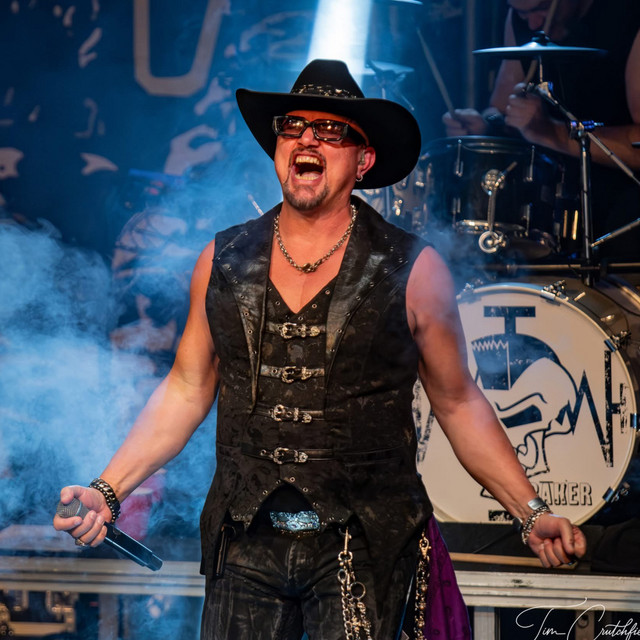
The debate extends beyond creation to consumption, with Geoff Tate's criticism of fans experiencing concerts entirely through phone screens. This concern about digital mediation disrupting live performance authenticity connects directly to AI fears—both represent technology potentially diminishing genuine human connection with music.
New Material and Festival Performance Evolution
Despite technological concerns, traditional creativity thrives across the metal spectrum. Korn's debut of "Reward The Scars" at Sick New World demonstrates how established acts continue pushing creative boundaries through live performance experimentation. The festival setting allows bands to test new material with dedicated audiences, creating valuable feedback loops for artistic development.
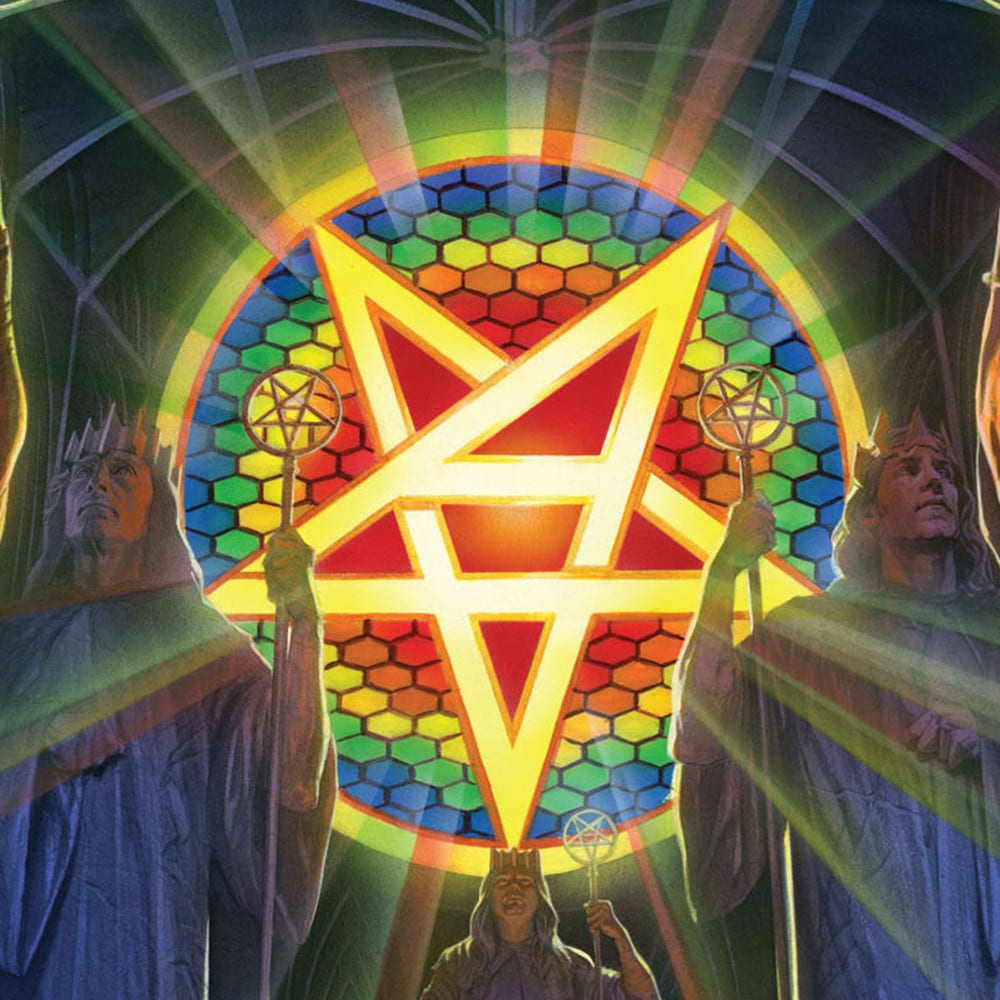
Anthrax's announcement of "It's For The Kids" continues this trend of veteran acts releasing fresh material, proving that longevity doesn't require creative stagnation. These releases by metal bands touring 2026 suggest that experience enhances rather than limits artistic exploration, particularly when bands maintain connection to their foundational sounds while incorporating contemporary elements.
The festival circuit itself evolves beyond simple multi-band showcases toward culturally integrated experiences. Turnstile's collaboration with Major League Baseball represents metal's expanding mainstream recognition, while events like the CBGB Festival maintain underground credibility. This balance between accessibility and authenticity defines successful festival programming in 2026.
Cross-Genre Influence and Historical Perspective
Gene Hoglan's recent observations about thrash metal's influence on grunge and subsequent genres provide valuable historical context for current musical developments. His assertion that "thrash influenced everything that came after it" explains why bands across multiple genres continue incorporating thrash elements into their sound, from the aggressive rhythms of groove metal acts like Fake Messiah to the technical precision demanded by progressive metal.
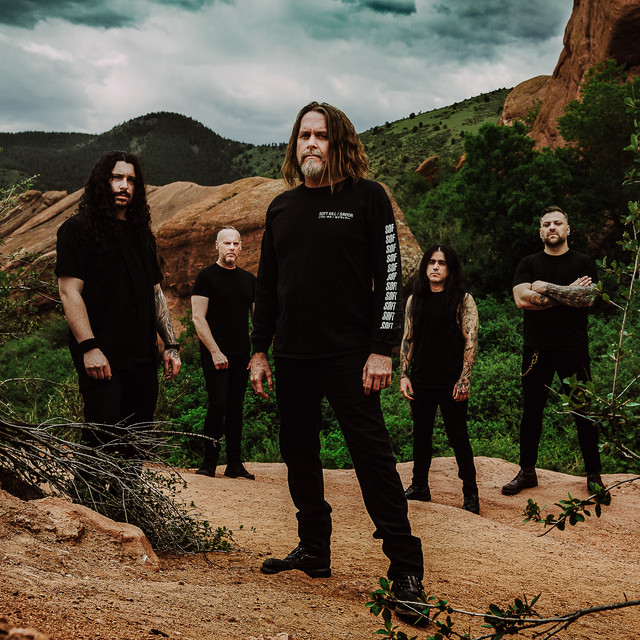
This influence extends beyond sonic similarities to philosophical approaches. Thrash metal's emphasis on speed, precision, and social commentary established templates that contemporary bands modify for their specific contexts. Whether examining the crossover thrash elements in Corrosion of Conformity's sludge evolution or the technical demands of death metal bands like Cattle Decapitation, thrash's foundational impact remains evident.
Understanding these historical connections helps contextualize current genre developments. When newer bands incorporate diverse influences, they're following patterns established by thrash pioneers who themselves drew from punk, hardcore, and traditional heavy metal sources.
Regional Scene Connections and Global Trends
The global metal scene benefits from this cultural integration and technological skepticism as regional bands develop distinctive identities while maintaining universal appeal. Local acts understand that authenticity requires genuine cultural expression rather than artificial enhancement, whether through AI-generated compositions or manufactured personas.
This authenticity particularly benefits underground genres experiencing renaissance periods. Sludge metal's combination of doom heaviness and punk aggression appeals to audiences seeking genuine emotional expression, while groove metal's rhythmic complexity provides technical challenges that resist algorithmic replication. Bands working within these frameworks understand that human creativity and cultural specificity create sustainable competitive advantages over digital alternatives.
The emphasis on live performance quality also benefits regional scenes, as touring acts recognize that memorable concerts require genuine engagement with local audiences rather than generic presentations. This creates opportunities for emerging bands to support major acts when they demonstrate cultural awareness and performance authenticity.
Industry Evolution and Future Directions
Current developments suggest that metal's future lies in balancing technological tools with human creativity rather than embracing wholesale digital replacement. While veterans like Ellefson and Tate express legitimate concerns about AI and phone-mediated experience, the solution involves strategic technology use rather than complete rejection.
Successful integration might involve using digital tools for logistics, promotion, and distribution while maintaining human-centered creation and performance. This approach allows bands to reach global audiences efficiently while preserving the authentic cultural connections that make performances like Metallica's Greek tribute so powerful.
Glenn Hughes' planned one-off performance with The Dead Daisies exemplifies this balance—using modern booking and promotion systems to arrange a rare collaborative show while focusing on genuine musical chemistry during the actual performance. This model suggests sustainable paths for veteran artists and emerging bands alike.
The success of festivals incorporating diverse acts also indicates that audiences appreciate variety and authenticity over homogenized programming. Whether examining Godsmack's MMRBQ headline performance or The Prodigy's Under the K Bridge show, successful events combine established draws with emerging talent while respecting both cultural heritage and creative innovation.
As 2026 progresses, the metal community's response to cultural integration and technological challenges will likely define the genre's trajectory for the next decade. Current evidence suggests that bands prioritizing authentic cultural expression while maintaining healthy skepticism toward digital shortcuts will build the most sustainable careers, whether they're established acts like Metallica or emerging bands developing their own distinctive voices within metal's evolving landscape.