Live Debuts and Artificial Intelligence Backlash: Metal Veterans Champion Organic Creation While New Material Surfaces in Festival Settings
The current metal landscape reveals a fascinating tension between technological advancement and artistic authenticity, as veteran musicians push back against artificial intelligence while new material emerges through intimate live settings rather than traditional studio announcements.
The AI Resistance Movement Gains Momentum
Former Megadeth bassist David Ellefson recently voiced concerns that reflect broader industry sentiment about artificial intelligence in music creation. His critique focuses on the fundamental contradiction inherent in AI-generated music: the technology lacks both genuine intelligence and authentic human expression. This perspective resonates throughout the metal community, where authenticity has always been paramount.
The resistance to AI tools in metal extends beyond simple technophobia. For a genre built on raw human emotion, technical skill, and personal expression, the idea of algorithmic composition represents a fundamental threat to core values. When examining the current Animal and other NWOTHM acts, their emphasis on traditional songcraft and analog recording techniques demonstrates how contemporary metal bands are actively choosing organic creation methods.
Devin Townsend's recent comments about vocal technique further emphasize this organic approach. His philosophy that mental preparation trumps technical exercises reflects a holistic view of musical performance that cannot be replicated by artificial means. This mindset connects directly to metal's emphasis on emotional authenticity and personal struggle as creative fuel.
Live Performance as Primary Creative Platform
The emergence of new material through live performances has become increasingly prominent, with several major acts choosing festival and concert settings for debuts rather than traditional studio releases. Korn's performance of "Reward The Scars" at Sick New World exemplifies this trend, treating live audiences as the primary recipients of new creative work.
This shift toward live-first releases reflects metal's roots in communal experience and immediate audience connection. Unlike pop music, where studio perfection often takes precedence, metal has always thrived on the energy exchange between performers and audiences. The decision to debut material live creates an intimate moment between artist and fan that cannot be replicated through digital platforms.
Anthrax's upcoming release of "It's For The Kids" continues this pattern, with the band choosing strategic timing and live context over traditional promotional cycles. This approach suggests that established metal acts are increasingly viewing their dedicated fanbase as collaborators in the creative process rather than passive consumers.
Cross-Genre Collaboration and Mainstream Integration
The intersection of metal with mainstream entertainment has produced unexpected collaborations, as evidenced by Mötley Crüe's partnership with Carrie Underwood on American Idol. This crossover moment demonstrates metal's continued influence on popular culture while highlighting the genre's versatility and broad appeal.
Such collaborations serve multiple purposes: they introduce metal to broader audiences while validating the genre's artistic legitimacy on national platforms. The pairing works because both artists bring technical proficiency and emotional intensity to their respective genres, creating common ground that transcends traditional boundaries.
These mainstream appearances also reflect the maturation of metal as a cultural force. Rather than existing purely in underground or niche contexts, best metal bands from previous decades are now recognized as legitimate contributors to American musical heritage, capable of sharing stages with country and pop artists without compromising their artistic integrity.
Regional Touring Strategies and Global Expansion
The announcement of Lamb of God, Trivium, and Bleed From Within's Australian tour reveals sophisticated international touring strategies that prioritize underserved markets while building long-term regional relationships. This approach reflects metal's global nature and the importance of maintaining connections with international fan communities.
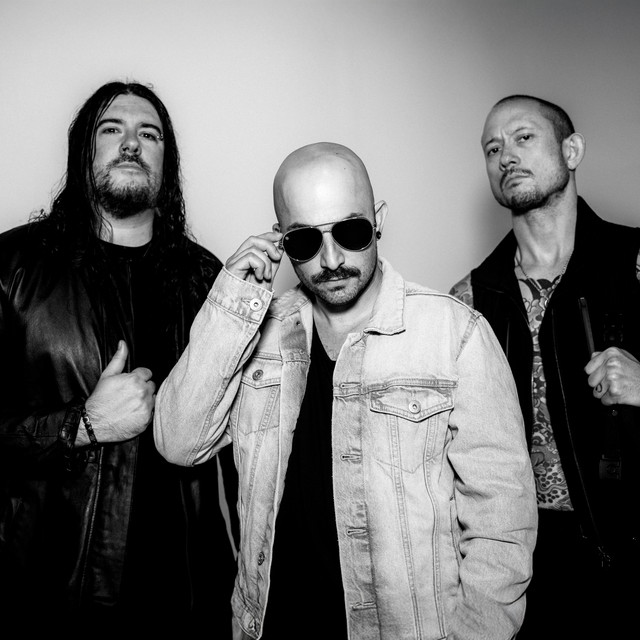
Australian metal scenes have historically been receptive to American and European acts, creating opportunities for extensive touring that goes beyond major population centers. The inclusion of Bleed From Within, a Scottish band, demonstrates how modern metal touring packages create mini-festivals that serve diverse audience preferences while maximizing logistical efficiency.
The social media teasing preceding these announcements shows how bands now use digital platforms for community building rather than simple promotion. This strategy creates anticipation and engagement that extends far beyond the actual concert dates, transforming tour announcements into ongoing conversations with regional fan communities.
Venue Safety and Audience Behavior Evolution
Recent incidents involving objects being thrown at performers highlight ongoing challenges in concert safety and audience behavior. The targeting of Bring Me The Horizon's Oli Sykes with a thrown phone represents a concerning trend that affects artists across genres but seems particularly problematic in metal and rock contexts.
This behavior contrasts sharply with metal's traditional concert etiquette, where audience participation typically follows understood protocols of moshing, crowd surfing, and vocal participation. The emergence of object-throwing suggests a breakdown in the traditional social contract between performers and audiences, potentially influenced by social media culture and decreased respect for live performance spaces.
Addressing these issues requires community-level solutions rather than increased security measures. Metal scenes have historically been self-policing, with experienced fans educating newcomers about appropriate behavior. Restoring these informal education systems may be crucial for maintaining the safety and integrity of live metal experiences.
Cultural Authenticity in Global Metal
Metallica's incorporation of "Zorba's Dance" during their Athens performance demonstrates sophisticated cultural integration that goes beyond simple pandering to local audiences. This approach shows respect for regional musical traditions while creating unique concert experiences that acknowledge the cultural context of international performances.
Such cultural integration requires genuine understanding and preparation rather than superficial gestures. The fact that Kirk Hammett and Robert Trujillo performed the piece suggests significant rehearsal time and cultural research, indicating that major metal acts are increasingly viewing international tours as opportunities for meaningful cultural exchange.
This trend could influence how other metal bands touring 2026 approach international markets, moving beyond generic setlists toward culturally responsive programming that creates unique experiences for regional audiences while demonstrating respect for local musical traditions.
The Underground Response and Alternative Venues
Conjurer's release of a live video from London reflects underground metal's continued emphasis on intimate venues and authentic documentation. Their performance of "This World Is Not My Home" in a smaller setting provides contrast to stadium spectacles, maintaining connection to metal's grassroots origins.
These intimate performances serve crucial functions in maintaining genre authenticity and artist development. Unlike massive productions, smaller venues allow for experimentation, direct audience interaction, and the kind of raw energy that defines Global metal scene values across different cultural contexts.
The documentation and sharing of these performances through official channels shows how underground acts are leveraging digital platforms while maintaining artistic integrity. This approach allows global audiences to experience authentic metal performances without compromising the intimate nature of the original events.
As metal continues evolving in 2026, the tension between technological innovation and organic creativity remains central to genre identity. The current emphasis on live performance, cultural authenticity, and resistance to artificial creation methods suggests that metal's future lies in enhanced human connection rather than digital replacement. This direction aligns with the genre's historical values while adapting to contemporary distribution and communication methods, ensuring that metal remains both relevant and authentic in an increasingly digitized musical landscape.