Red Rocks Festival Bookings and South American Tour Cancellations: Geographic Inequalities Shape Metal's 2026 Touring Reality
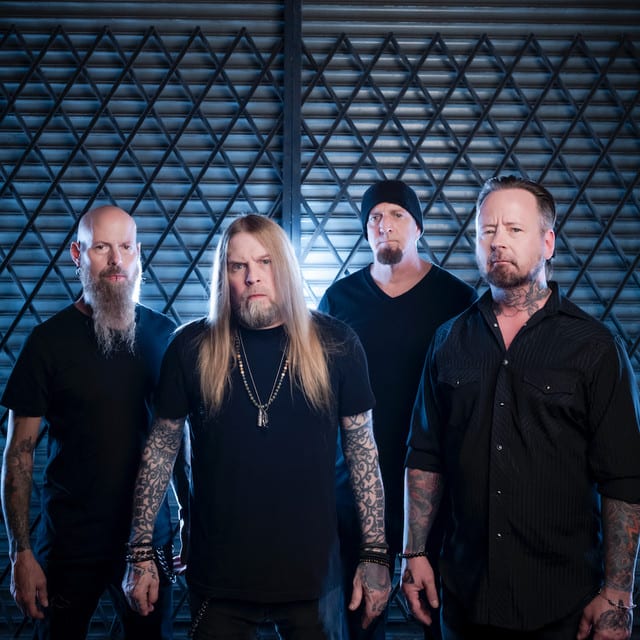
The metal touring industry's 2026 landscape reveals a tale of two hemispheres, where prestigious North American venues secure major acts while South American markets struggle with attendance challenges that threaten established touring circuits.
Festival Season's Geographic Priorities
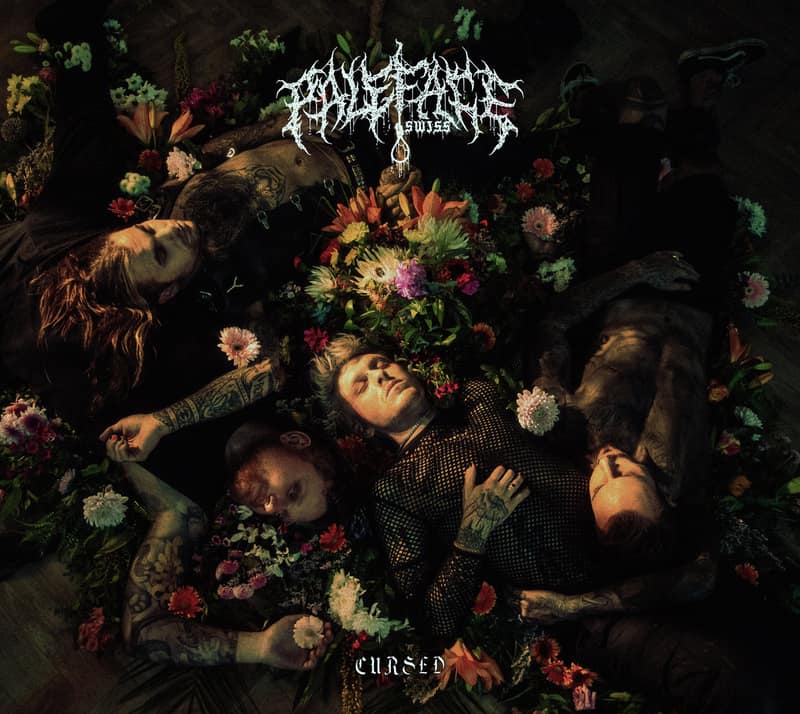
The announcement of Paleface Swiss headlining the 2026 Cement Gardens Festival at Red Rocks Amphitheatre represents more than just another festival booking—it signals the continued elevation of deathcore and beatdown hardcore acts to premier venue status. The Swiss collective's placement at one of America's most iconic natural amphitheaters demonstrates how extreme subgenres have transcended underground limitations to command top-tier festival positions.
Red Rocks' booking strategy for 2026 reflects festival organizers' growing confidence in metal's drawing power at premium venues. The inclusion of PeelingFlesh alongside Paleface Swiss creates a brutal one-two punch that would have been unthinkable at such prestigious locations even five years ago. This programming choice validates the commercial viability of extreme metal while setting new benchmarks for venue prestige within the genre.
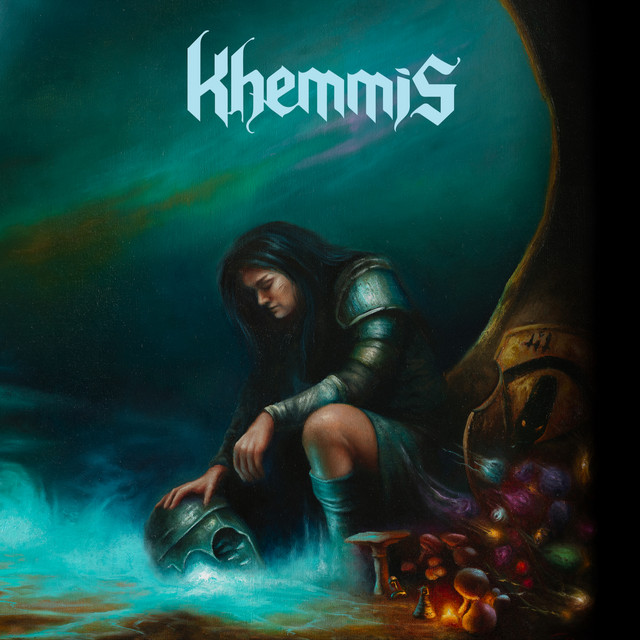
Meanwhile, RPM Fest's 2026 lineup showcases metal's diversity by pairing doom stalwarts Monolord with atmospheric black metal advocates Khemmis. This programming approach demonstrates festivals' increasing sophistication in curating complementary yet diverse lineups that serve multiple metal subgenres simultaneously. The strategic booking of both crushing doom and melodic extremity creates festival experiences that satisfy broader metal audiences while maintaining underground credibility.
South American Market Challenges
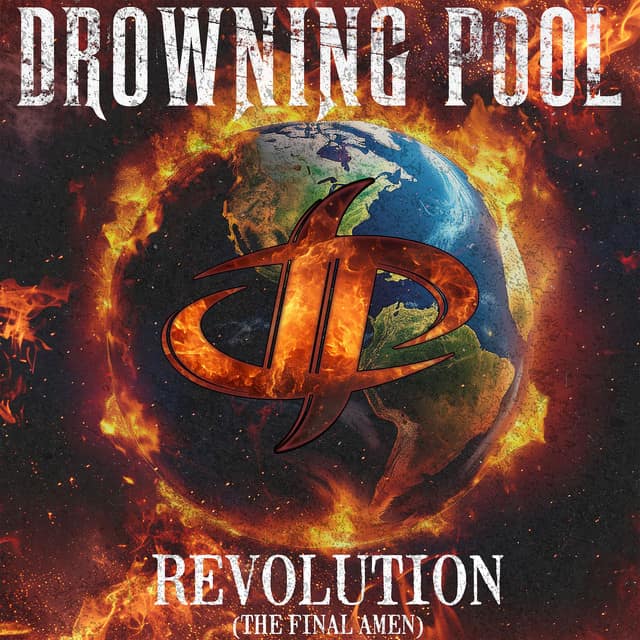
The reported cancellation of Drowning Pool's South American tour dates due to poor ticket sales illuminates ongoing challenges within international metal touring circuits. Seven confirmed dates across the continent falling through represents significant financial losses not just for the band, but for local promoters, venues, and supporting acts throughout the region.
This cancellation pattern reflects broader economic pressures affecting metal touring in developing markets, where currency fluctuations, venue capacity limitations, and promotional budget constraints create perfect storms for tour failures. The geographic inequality becomes stark when comparing the resources available for North American festival productions against the struggles facing South American metal markets.
The ripple effects extend beyond individual tour cancellations, potentially damaging relationships between international booking agencies and South American promoters. When established acts like Drowning Pool cannot sustain tour economics in these markets, emerging bands face even greater barriers to international expansion. This creates concerning precedents for metal's global growth patterns, potentially concentrating touring activity within already-established profitable regions.
Brazilian Metal's European Partnerships
Sepultura's Andreas Kisser collaborating with Danish band Eminence represents a fascinating counterpoint to touring market challenges, showcasing how creative partnerships transcend geographic limitations even when live performance circuits face obstacles. The Brazilian guitarist's guest appearance on "Silent March" demonstrates veteran artists' ability to maintain international relevance through strategic collaborations rather than traditional touring models.
Eminence's journey to Denmark's AntFarm Studios with producer Tue Madsen illustrates how serious metal acts invest in professional recording environments to achieve career-defining milestones. This European studio partnership strategy allows bands to access world-class production facilities while building international industry relationships that can support future touring and promotional opportunities.
These cross-continental creative partnerships suggest alternative pathways for international metal collaboration when traditional touring models prove economically challenging. Rather than relying solely on live performance revenue, artists increasingly leverage recording projects, guest appearances, and creative partnerships to maintain global presence and industry connections.
Legacy Acts and Archive Celebrations
The upcoming deluxe reissue of Motörhead's "Kiss of Death" for its twentieth anniversary reflects metal's increasingly sophisticated approach to catalog management and fan engagement. Newly remastered with additional bonus material, this release demonstrates how legacy acts continue generating revenue streams through archive exploitation while serving collector markets with premium presentations.
These anniversary reissues serve multiple industry functions beyond simple nostalgia marketing. They maintain artist visibility during periods between new releases, provide revenue streams for estate management, and offer younger fans access to historically significant recordings with improved audio quality. The timing coincides with vinyl resurgence and collector market expansion, creating optimal conditions for premium archive releases.
Sharon Osbourne's recent statements about resolving Black Sabbath's legal disputes over 1969 recordings and their early Earth material highlight ongoing complexities surrounding metal's earliest archives. These legal resolutions often precede major reissue campaigns, suggesting potential future releases once rights issues are clarified. The intersection of legal settlements and archive management reveals how foundational metal recordings continue generating both controversy and commercial opportunity decades after their creation.
Cross-Genre Boundary Testing
Motionless In White's decision to cover Corey Hart's "Sunglasses At Night" on their upcoming "Decades" album represents metal's ongoing fascination with reimagining non-metal material through extreme sonic filters. This synth-pop transformation demonstrates how established metal acts use cover material to showcase creative versatility while potentially reaching broader audiences through familiar songs presented in unfamiliar contexts.
The strategic use of cover material in metal releases serves multiple purposes beyond simple tribute or novelty. These interpretations allow bands to demonstrate technical proficiency, explore different vocal approaches, and create potential crossover moments that expand fan bases. When executed successfully, such covers can introduce non-metal listeners to extreme genres while providing existing fans with unexpected creative expressions.
Stitched Up Heart's collaboration with Daria Zaritskaya of NoApology on "MEET ME AFTER LIFE" exemplifies modern metal's collaborative spirit, where guest appearances create networking opportunities and cross-promotional benefits for participating artists. These partnerships often lead to touring opportunities, expanded fan bases, and creative inspiration that influences future songwriting directions.
Industry Adaptation and Future Prospects
The contrasting fortunes of festival successes and tour cancellations illustrate metal industry adaptation strategies during economically challenging periods. While certain geographic markets struggle with attendance and promotional infrastructure, others thrive through strategic venue partnerships and sophisticated audience development approaches.
Festival organizers increasingly focus on creating destination experiences that justify premium ticket prices and encourage travel investment from dedicated fans. Red Rocks' natural acoustics and scenic presentation create added value beyond musical performances, making festival attendance feel like pilgrimage experiences rather than simple concert attendance.
The 2026 touring landscape will likely see continued geographic consolidation around profitable markets, with international expansion becoming increasingly selective and strategic. Bands may prioritize fewer, larger international appearances over extensive regional touring, fundamentally altering how metal scenes develop in emerging markets. This evolution could strengthen established metal centers while potentially limiting genre growth in developing regions, creating lasting impacts on metal's global cultural footprint.
These developments suggest metal's maturation into a more calculated, business-conscious industry where romantic notions of conquering every available market give way to strategic focus on sustainable, profitable operations. The challenge lies in maintaining the genre's grassroots authenticity while adapting to economic realities that increasingly favor established markets over pioneering expansion efforts.