Reissue Renaissance and Chicago Uprising: Shock Rock Legends Revisit Dark Catalogs While New Metal Generation Claims Territory

The metal landscape finds itself caught between retrospective celebration and aggressive forward momentum, as legendary shock rock architect Alice Cooper prepares to unleash enhanced versions of his darkest conceptual works while Chicago's metal underground signals its intent to claim national attention.
The Master's Dark Catalog Returns
Alice Cooper's announcement of comprehensive reissues for "Along Came A Spider" and "Welcome 2 My Nightmare" through earMUSIC represents more than simple catalog maintenance—it's a masterclass in how veteran artists can recontextualize their work for both devoted followers and curious newcomers. These aren't arbitrary selections from Cooper's extensive discography; they represent two of his most psychologically complex narrative albums, works that pushed shock rock beyond theatrical spectacle into genuine psychological horror territory.
The timing feels particularly significant given metal's current obsession with concept albums and narrative-driven releases. Cooper's influence on theatrical metal extends far beyond makeup and stage props—his approach to album construction as cohesive storytelling experiences established templates that countless metal acts still follow today. The enhanced reissue treatment suggests these works deserve recognition alongside the best metal albums of all time, not merely as curiosities from shock rock's pioneer.
What makes this reissue campaign compelling is its focus on Cooper's later-career renaissance period, when he proved that theatrical metal could mature without losing its essential darkness. Both albums showcase sophisticated songwriting that influenced everything from symphonic metal's narrative ambitions to extreme metal's conceptual complexity.
Midwest Metal's Chicago Assertion
While Cooper revisits past triumphs, Chicago's Repentance prepares to make their strongest statement yet with "Retaliate," scheduled for July 2026 release via Noble Demon. The timing of this announcement, paired with their title track premiere, positions the band as part of the new metal bands 2026 wave that refuses to accept coastal dominance of American metal discourse.
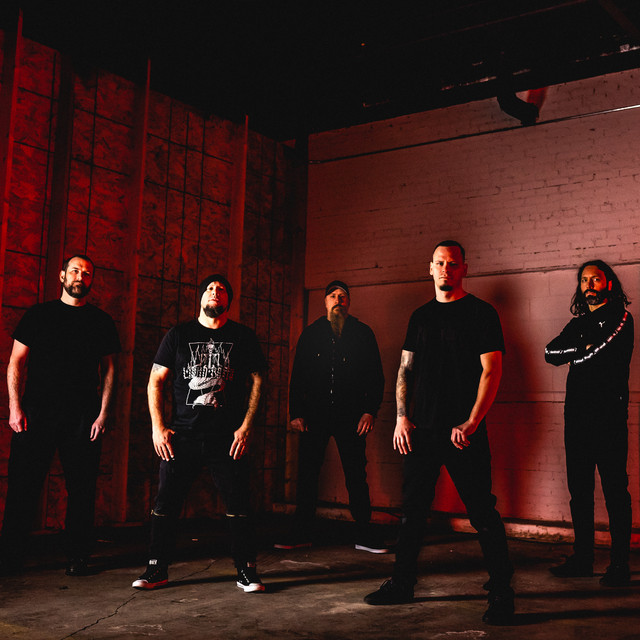
Chicago's metal scene has always operated with particular intensity, forged by industrial decay and urban isolation that breeds uniquely aggressive sounds. Repentance's approach to their third full-length suggests they understand this heritage while refusing to be limited by regional expectations. The "Retaliate" title track reportedly showcases their "most hard-hitting and focused" material yet, indicating artistic evolution rather than simple aggression escalation.
The Noble Demon partnership proves significant for understanding how international labels now view American regional metal scenes. European metal labels increasingly recognize that innovation often emerges from scenes outside traditional coastal markets, making Chicago's metal community particularly attractive for its combination of technical proficiency and authentic urban edge.
Nu-Metal's Endless Reinvention
Korn's revelation of nearly 40 completed songs for their upcoming album demonstrates how veteran acts approach creative abundance differently than their younger counterparts. Rather than rushing material to market, they're treating this wealth of content as an opportunity for meticulous curation, understanding that album construction requires more than simply selecting the heaviest tracks.
Their live debut of "Reward The Scars" at Sick New World provided crucial insight into their current creative direction, suggesting they're balancing experimental elements with the rhythmic foundation that made them essential to nu-metal's development. This approach to metal bands touring 2026 strategies—using festival performances to test new material—has become increasingly common as bands recognize live audiences provide more honest feedback than studio environments.
James "Munky" Shaffer's comments about the extended writing process reveal how experienced bands now approach album creation as long-term artistic statements rather than commercial obligations. This patience allows for creative development that younger bands, pressured by label demands and social media expectations, often cannot afford.
Progressive Atmospherics and Visual Storytelling
Earthside's "A Dying Star" release continues metal's evolution toward cinematic complexity, proving that instrumental storytelling can achieve emotional impact without vocal narratives. Their approach to "overwhelming feeling brought to life in music" represents sophisticated understanding of how atmospheric metal can function as pure emotional communication.
The accompanying visualizer treatment suggests they understand modern metal consumption habits, where visual components often determine whether material connects with potential audiences. This integration of visual and sonic elements has become essential for bands seeking to break through oversaturated streaming environments, particularly for progressive and atmospheric acts that require more listener investment than immediate gratification genres.
Industry Realities and Geographic Challenges
Drowning Pool's forced cancellation of their South American tour due to poor ticket sales exposes uncomfortable realities about metal's global reach limitations. While bands often assume international appeal translates to viable touring opportunities, geographic markets operate with distinct economic and cultural factors that can't be overcome through musical quality alone.
These cancellations impact more than individual bands—they affect regional promoter confidence and future booking decisions for similar acts. South American metal scenes, despite producing exceptional talent and passionate audiences, face ongoing challenges with international touring economics that limit cultural exchange opportunities.
The situation highlights why successful international metal careers require more than musical excellence—they demand understanding of local market conditions, promotional partnerships, and realistic attendance projections based on regional economic factors rather than social media engagement metrics.
Veterans and Creative Philosophy
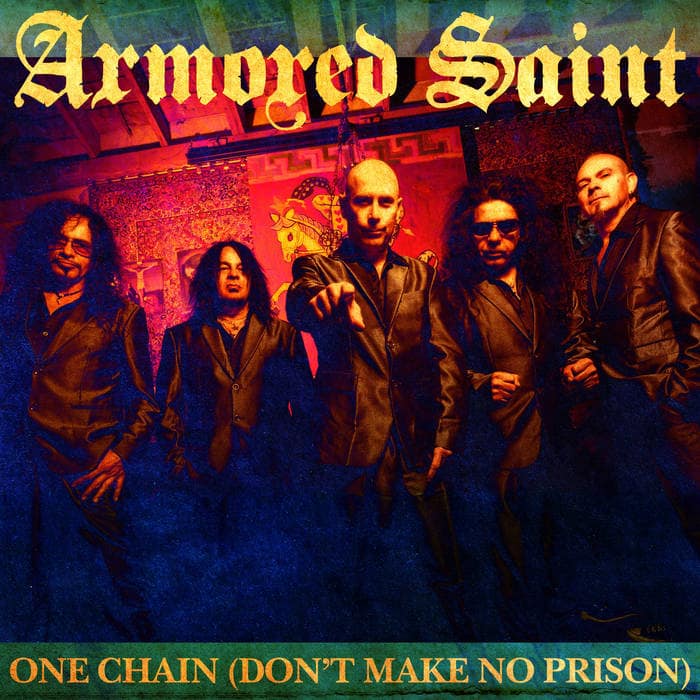
Armored Saint's John Bush addressing their writing process philosophy provides valuable insight into how veteran acts maintain relevance without compromising artistic integrity. His emphasis on avoiding technology that prevents music from "breathing" represents broader concerns about digital production's homogenizing effects on metal's dynamic range and organic feel.
This stance connects to larger discussions about authenticity in modern metal production, where unlimited digital possibilities can actually restrict creative expression through option paralysis or artificial perfectionism. Bush's perspective suggests successful longevity requires clear artistic boundaries that guide rather than limit creative decisions.
The 80s metal bands that successfully navigate modern music landscapes typically share this philosophical clarity—they understand their core identity while remaining open to technological tools that enhance rather than replace human performance elements.
The Reissue Renaissance Significance
Beyond Alice Cooper's specific announcements, the broader reissue trend reveals how established metal acts view their catalog legacy responsibilities. Rather than treating older material as obsolete, successful reissue campaigns position classic albums as continuing conversations with contemporary audiences, using bonus material and enhanced presentation to reveal previously hidden depths.
This approach benefits entire metal ecosystems—newer bands gain deeper understanding of genre development, while veteran acts maintain cultural relevance without relying solely on new material. The strategy proves particularly effective for theatrical and conceptual metal, where enhanced presentations can illuminate artistic choices that original releases couldn't fully communicate due to format limitations.
As metal continues expanding its cultural footprint, these retrospective projects provide essential historical context that helps newer fans understand genre evolution complexity. They demonstrate that metal's greatest achievements often require multiple encounters to fully appreciate, making reissue campaigns valuable educational tools rather than simple commercial exercises.