Digital Innovation and Hardcore Heritage: Metallica's Tech Tools While Pro-Pain Guru Defines Genre Royalty
The metal world continues its fascinating dance between cutting-edge digital innovation and reverent preservation of its hardcore roots, as evidenced by two distinctly different approaches to fan engagement emerging this week. While Metallica embraces interactive technology with their new logo generator tool, Pro-Pain's Gary Meskil takes a decidedly old-school approach by sharing his definitive list of hardcore's most essential voices.
Metallica's Digital Democratization
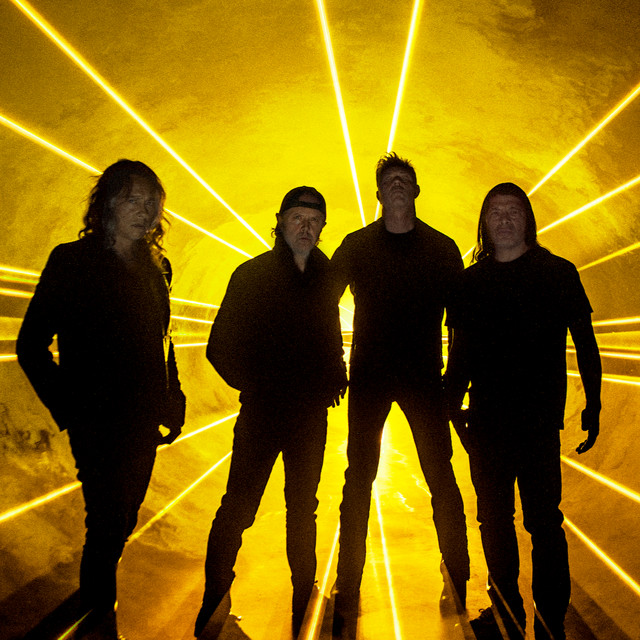
Metallica's launch of their "Reload" logo generator represents more than just a clever marketing tool—it's a significant step toward democratizing metal's visual culture. The interactive platform allows fans to create personalized versions of the iconic Reload album artwork, transforming what was once the exclusive domain of professional designers into an accessible creative playground.
This move reflects a broader trend among veteran metal acts recognizing that fan engagement extends far beyond traditional merchandise and concert experiences. By providing fans with actual creative tools rather than just consumption opportunities, Metallica acknowledges the participatory nature of modern metal culture. The generator serves multiple purposes: it creates viral social media content, generates countless variations of the classic design, and most importantly, makes fans active participants in the band's visual legacy.
The timing is particularly strategic, as best metal bands increasingly compete not just with new releases but with entire digital ecosystems. Metallica's approach suggests they understand that sustaining relevance requires giving fans ownership stakes in the creative process, even if it's through seemingly simple design tools.
Gary Meskil's Hardcore Mount Rushmore
In stark contrast to Metallica's digital innovation, Pro-Pain frontman Gary Meskil's revelation of his personal "Mount Rushmore" of hardcore vocalists represents the genre's commitment to honoring its foundational voices. Meskil's perspective carries substantial weight within hardcore circles, given Pro-Pain's three-decade journey through the scene's evolution and their consistent presence across multiple hardcore generations.
While the specific names on Meskil's list weren't revealed in our headlines, his willingness to create such definitive rankings speaks to hardcore's ongoing process of canonization. Unlike other metal subgenres that continuously chase innovation, hardcore maintains deep reverence for its pioneering voices, understanding that vocal delivery remains the genre's most crucial element.
This approach to legacy-building contrasts sharply with metal's typical focus on instrumental virtuosity or production values. Hardcore's emphasis on vocal authenticity and message delivery creates different criteria for evaluating artistic significance, making Meskil's insights particularly valuable for understanding the genre's core values.
Benediction Faces Lineup Challenges
The announcement of Benediction vocalist Dave Ingram's departure due to health concerns highlights the ongoing challenges facing veteran extreme metal acts. Ingram's withdrawal represents more than just a lineup change—it underscores the physical toll that decades of extreme vocal techniques can exact on performers.
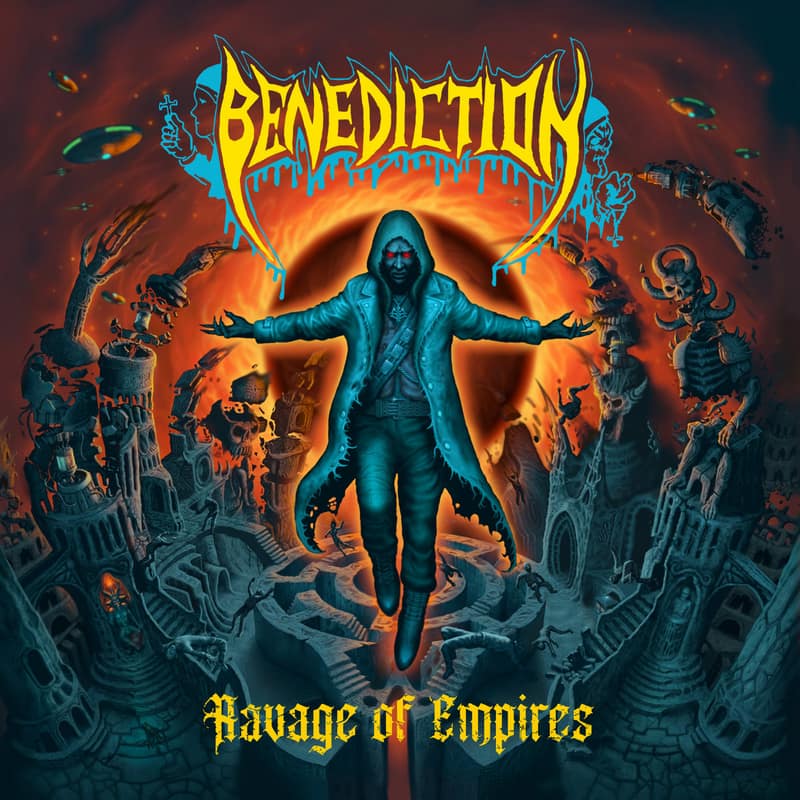
Benediction's situation reflects broader concerns within death metal's aging cohort. Many of the genre's pioneering vocalists are confronting health issues that force difficult decisions about continuing their careers. This creates both immediate practical challenges for bands and larger questions about preserving extreme metal's authentic sound as original practitioners step away.
The band's handling of Ingram's departure will likely influence how other veteran acts approach similar situations. Transparent communication about health concerns versus maintaining mystique around lineup changes represents an evolving approach to fan relationships within extreme metal.
Scene Queen's Murderous Marketing
Scene Queen's promotional approach for her new single "Tracksuit" exemplifies the new generation's bold marketing strategies. Her declaration about hypothetically selling mugshot merchandise demonstrates how emerging metal artists embrace controversy as brand-building opportunity rather than career liability.
This fearless approach to potentially offensive content marks a generational shift within metal's promotional strategies. Where previous generations might have relied on mysterious imagery or abstract concepts, Scene Queen's direct engagement with dark themes reflects contemporary metal's comfort with explicit messaging and controversial positioning.
Her approach also highlights how social media culture has transformed metal's relationship with taboo subjects. What might once have been relegated to underground whispers now becomes central marketing messaging, suggesting that shocking content requires increasingly bold presentation to achieve desired impact.
Tour Circuit Developments
The announcement of multiple touring packages, including I Promised The World's North American dates and A Perfect Circle's world tour plans with Puscifer, demonstrates the global metal scene's continued expansion despite ongoing logistical challenges.
A Perfect Circle and Puscifer's combined tour strategy represents Maynard James Keenan's sophisticated approach to maximizing his various projects' touring potential. By packaging both acts together, he creates a comprehensive experience that justifies larger venue bookings while serving fans of both projects efficiently.
Meanwhile, the emerging acts on I Promised The World's tour represent the continued vitality of metal's developmental circuit. These smaller-scale tours remain crucial for building the fanbase foundations that eventually support arena-level careers, making their success essential for the scene's long-term health.
Legacy Acts and New Material
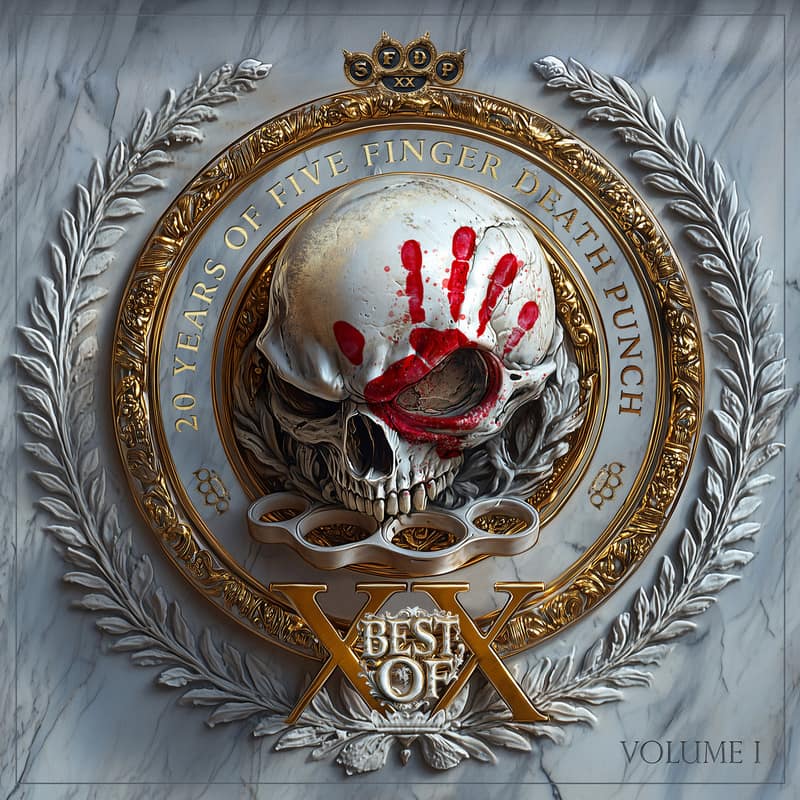
Several veteran acts continue pushing creative boundaries, with Korn debuting "Reward The Scars" at Sick New World and Five Finger Death Punch releasing "Eye Of The Storm" as their tenth album's first single. These releases demonstrate how established bands balance fan expectations with creative evolution.
Korn's choice to debut new material at a major festival reflects modern metal's preference for live-first release strategies. This approach builds anticipation while creating exclusive experiences for festival attendees, potentially driving future ticket sales and social media engagement.
Five Finger Death Punch's consistent album cycle demonstrates the streaming era's demand for regular content releases. Their tenth studio album represents remarkable longevity in an industry where many bands struggle to maintain relevance beyond their initial breakthrough periods.
Industry Partnerships and Brand Extensions
Mötley Crüe's trading card partnership with Epoch demonstrates metal's continued expansion into collectible markets, while various publishing deals and brand collaborations show how veteran acts monetize their catalogs through diverse revenue streams.
These business developments reflect metal's maturation as an industry segment capable of supporting sophisticated commercial partnerships. Trading cards, licensing deals, and corporate collaborations represent evolution from the genre's traditionally anti-commercial stance toward pragmatic recognition of business realities.
The success of such partnerships depends heavily on maintaining authenticity while exploring commercial opportunities. Bands that successfully navigate this balance create sustainable career models that support continued creative work, while those that appear overly commercial risk alienating core fanbases.
As these diverse developments demonstrate, today's metal scene operates across multiple dimensions simultaneously—embracing both digital innovation and traditional hardcore values, supporting both emerging artists and veteran acts, and balancing commercial opportunities with creative authenticity. The new metal bands 2026 landscape continues evolving through these complex negotiations between tradition and innovation, creating fascinating tensions that drive the genre's ongoing vitality.