Lineup Overhauls and Supergroup Formations: Metal's Most Dramatic Band Evolution Stories Shape 2026's Creative Landscape
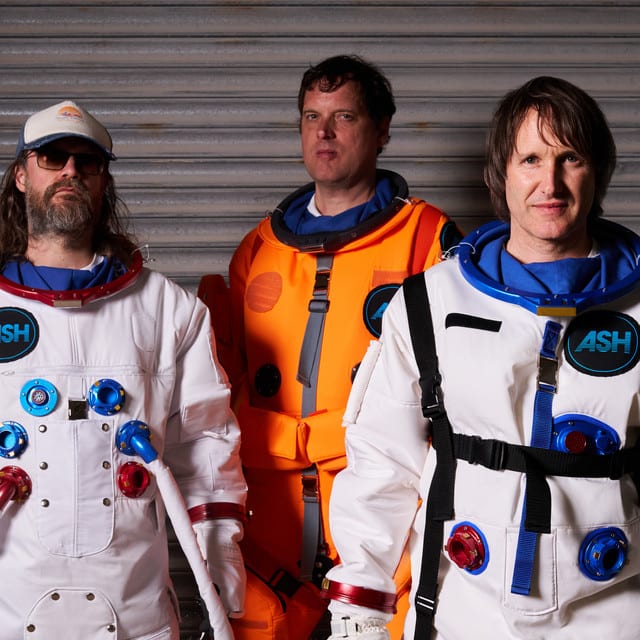
The metal world is witnessing unprecedented lineup transformations and supergroup formations that are reshaping the genre's creative landscape. From complete band overhauls to former members launching ambitious new projects, these developments reveal how metal's veteran acts are navigating artistic evolution while maintaining their core identities.
Complete Creative Reinvention: When Bands Start Fresh
The most striking example comes from Godsmack frontman Sully Erna's recent announcement that new music will emerge without any original members remaining in the lineup. This dramatic shift represents one of the most complete band overhauls in recent memory, raising fascinating questions about artistic continuity and brand identity in metal.
Such radical transformations aren't unprecedented in metal history, but they've become increasingly common as veteran musicians pursue different creative directions. The decision to continue under an established band name while replacing the entire supporting cast requires exceptional confidence in one's artistic vision. It's a bold statement that the creative core of a band can transcend personnel changes, even when those changes are total.
This approach contrasts sharply with bands that choose to launch entirely new projects when lineups shift dramatically. The choice to maintain existing band identity suggests a commitment to established fan relationships and musical legacy, even as the creative process becomes fundamentally different.
Swedish Death Metal Supergroup Emerges
Meanwhile, former Amon Amarth members have formed Fimbul Winter, launching their project with the atmospheric single "Crowned In Ash." This supergroup formation represents the opposite approach to creative evolution – establishing fresh identity while leveraging collective experience and musical chemistry.
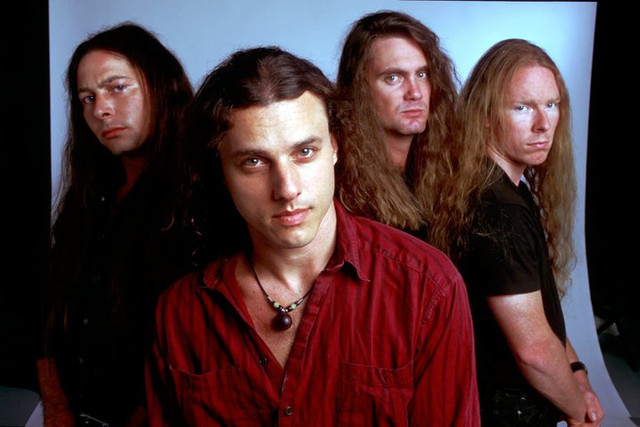
The formation of Fimbul Winter demonstrates how veteran musicians can honor their death metal foundations while exploring new sonic territories. Their emphasis on heavy, melodic, and atmospheric elements suggests an evolution beyond traditional death metal boundaries, incorporating broader influences while maintaining genre authenticity.
Supergroup formations like this often produce some of metal's most innovative work, as experienced musicians bring different perspectives and eliminate the creative limitations that sometimes develop in long-standing lineups. The freedom to experiment without legacy expectations can lead to breakthrough artistic achievements.
Cross-Project Collaborations Expanding
Maynard James Keenan's announcement of combined A Perfect Circle and Puscifer touring represents another fascinating approach to creative management. Rather than treating his various projects as competing entities, this integrated touring strategy acknowledges the interconnected nature of his artistic output while providing fans with comprehensive experiences.
This cross-project collaboration model is becoming increasingly sophisticated among metal's most creative artists. By combining different musical personas within unified touring experiences, artists can showcase their full creative range while maximizing logistical efficiency and fan engagement.
The separate European dates for Puscifer demonstrate how artists can balance integrated approaches with project-specific needs, tailoring experiences for different markets and fan bases while maintaining overall creative cohesion.
Collaborative Performances and Guest Appearances
Live collaborations continue showcasing metal's community spirit, as demonstrated by Sepultura's performance with Biohazard's Evan Seinfeld during their Pennsylvania show. These spontaneous musical partnerships reveal the deep connections between metal's different subgenres and generations.
Such collaborative moments often produce some of the most memorable live experiences, combining different musical approaches and creating unique interpretations of established material. The choice to perform "Slave New World" with a guest vocalist adds new dimensions to familiar songs while celebrating metal's collaborative traditions.
These partnerships also demonstrate how touring packages can create unexpected musical chemistry, with support acts and headliners finding common ground that extends beyond simple bill sharing into genuine artistic collaboration.
Creative Abundance in Established Acts
Korn's revelation that they've written nearly 40 songs for their upcoming album showcases how veteran acts are approaching creative abundance differently than in previous decades. This wealth of material suggests both artistic vitality and strategic thinking about long-term creative sustainability.
The challenge of managing such creative abundance involves balancing artistic expression with commercial considerations, fan expectations, and touring logistics. Having extensive material allows for more selective album construction while providing backup options for different creative directions.
This approach also enables bands to tailor releases more precisely to current musical landscapes while maintaining reserves for future projects, tours, or special releases. Creative abundance becomes a strategic asset rather than simply artistic excess.
Veteran Acts Pursuing Fresh Directions
Adema's work on their fifth album "Cruel Machine" demonstrates how veteran acts can maintain creative momentum across decades. Their signing with Worldwide Entertainment Group suggests renewed industry confidence in established acts that continue evolving their sound.
The long gap between albums often allows bands to develop more focused creative visions, incorporating musical growth and industry changes while maintaining core identity. These extended development periods can produce some of the most refined work in band catalogs.
For bands like Sully, who operate in the grindcore space, these extended creative processes demonstrate how different metal subgenres approach artistic development with varying timelines and intensity levels.
Regional Scene Development and Global Impact
These major band developments ripple through regional metal scenes worldwide, influencing how local acts approach lineup changes, creative collaboration, and artistic evolution. The visibility of successful reinvention strategies provides templates for emerging bands navigating their own creative challenges.
The success of supergroup formations and complete lineup overhauls demonstrates that metal fans appreciate authentic artistic vision regardless of personnel configurations. This acceptance creates opportunities for both established and emerging acts to pursue bold creative directions without fear of fan abandonment.
As these trends continue developing throughout 2026, they're likely to influence how the next generation of metal bands approaches artistic development, collaboration strategies, and creative longevity. The current examples of successful evolution provide valuable lessons for sustaining creative vitality across extended careers.
Looking Forward: Metal's Creative Evolution
The current wave of dramatic band transformations and supergroup formations represents metal's continued evolution as a genre that values both tradition and innovation. These developments showcase how experienced musicians can balance respect for their legacies with pursuit of fresh creative territories.
As these various projects release new material and embark on touring campaigns, they'll provide concrete evidence of how successfully metal can navigate major creative transitions. The results will likely influence industry approaches to band development, creative collaboration, and artistic sustainability for years to come.
For fans and industry observers, these developments offer fascinating studies in artistic evolution, creative courage, and the enduring power of metal's community connections. The willingness of veteran acts to pursue dramatic changes while maintaining genre authenticity demonstrates metal's continued vitality as an artistic movement.