Thrash Titans Return and Symphonic Innovations: Exodus and Anthrax Power 2026's Release Calendar While Voivod Orchestrates Progressive Future
The global metal scene is witnessing a remarkable convergence of veteran thrash acts reclaiming their territories while progressive pioneers venture into uncharted orchestral waters. As 2026 unfolds, the landscape reveals both a return to aggressive fundamentals and bold experimental leaps that showcase metal's enduring capacity for reinvention.
Thrash Metal's Veteran Resurgence
The Bay Area thrash machine continues its relentless assault with Exodus delivering their latest statement through "Goliath," while guitarist Gary Holt champions the ultra-aggressive approach that defines their sound. The album represents more than just another thrash release—it signals the genre's commitment to maintaining its violent edge in an increasingly commercialized landscape.
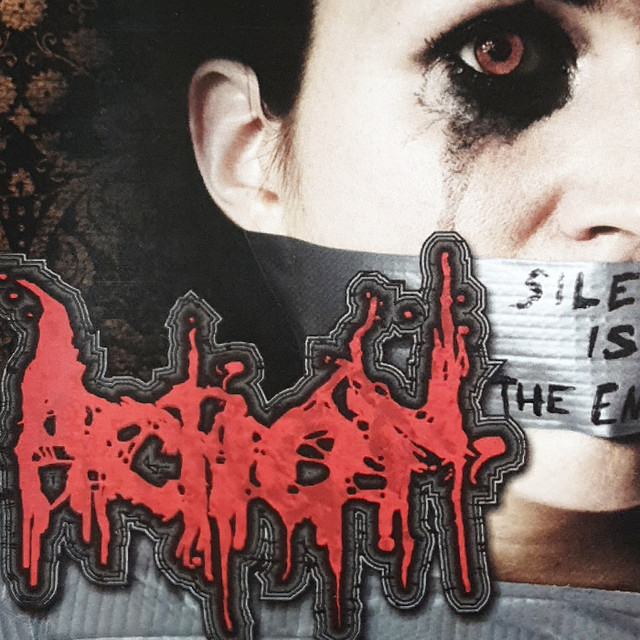
Meanwhile, New York's Action continues building momentum within the death metal and metalcore scenes, demonstrating how the aggressive blueprint established by thrash pioneers influences contemporary extreme music. The parallels between classic thrash's violent delivery and modern metalcore's technical brutality showcase the evolutionary path from 80s metal bands to today's most punishing acts.
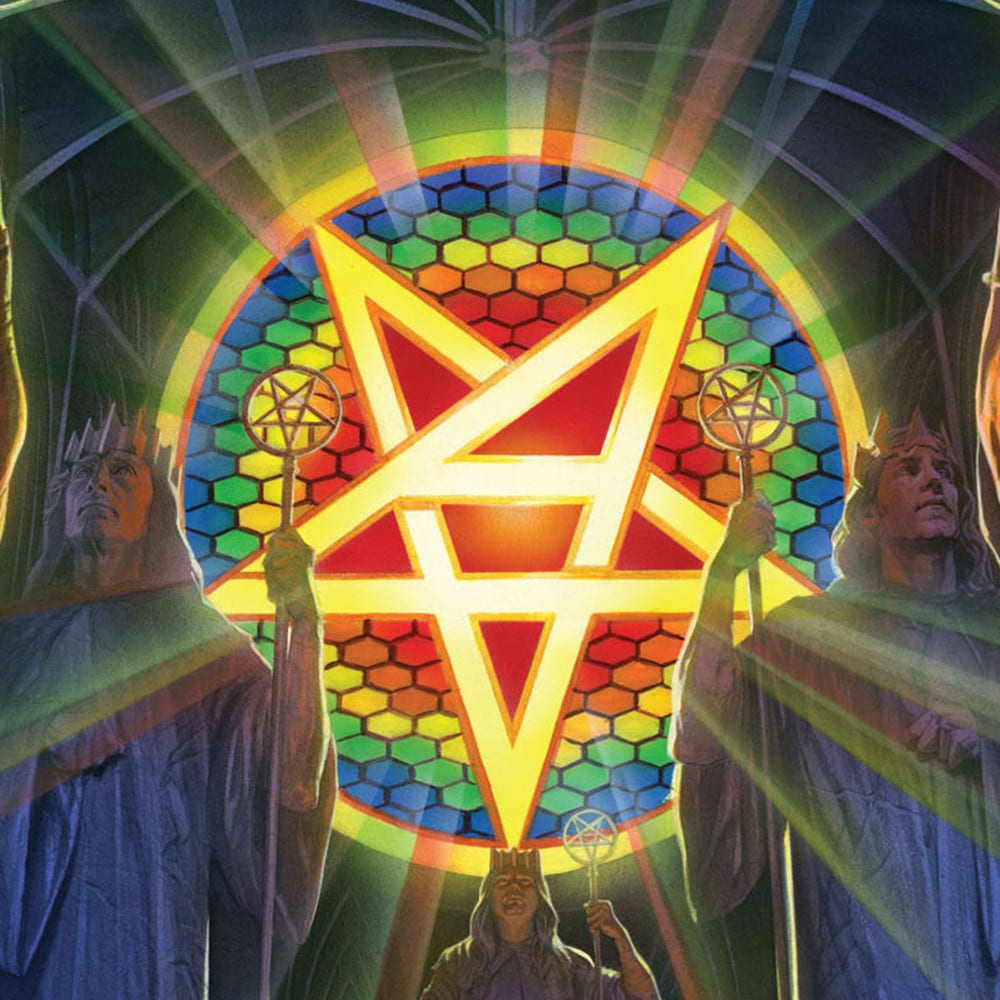
Anthrax's impending return with "Cursum Perficio" after a decade-long absence represents perhaps the most significant thrash development of 2026. Scott Ian's recent commentary on societal protection failures adds political weight to what promises to be their most pointed release yet. The band's ability to channel frustration into musical aggression exemplifies thrash metal's role as a vehicle for social commentary, a tradition dating back to the best heavy metal songs of the 1980s.
Progressive Orchestral Ambitions
Canada's science fiction metal innovators Voivod are preparing to shatter expectations with "Symphonique," their collaboration with the Quebec Symphony Orchestra scheduled for June 2026. This ambitious project represents more than mere orchestral accompaniment—it's a complete reimagining of progressive metal's relationship with classical instrumentation.
The concept of "Symphonique" functioning "like an epic piece of cinema" suggests Voivod's approach transcends typical symphonic metal arrangements. Unlike bands that simply layer orchestras over existing material, this collaboration appears designed from the ground up to create a hybrid form that honors both progressive metal's complexity and classical music's sophistication.
This orchestral venture positions Voivod alongside the most innovative acts pursuing boundary-pushing collaborations in 2026. The project demonstrates how established bands can reinvent their sound without abandoning their core identity—a lesson particularly relevant for emerging acts navigating between tradition and innovation.
Hardcore's Relentless Evolution
Hatebreed's preparation of their ninth studio album reinforces hardcore's commitment to uncompromising aggression. Their "all heaters, no cheaters" approach reflects the genre's demand for consistency and authenticity—qualities that separate true hardcore acts from pretenders attempting to capture the style's energy without understanding its ethos.
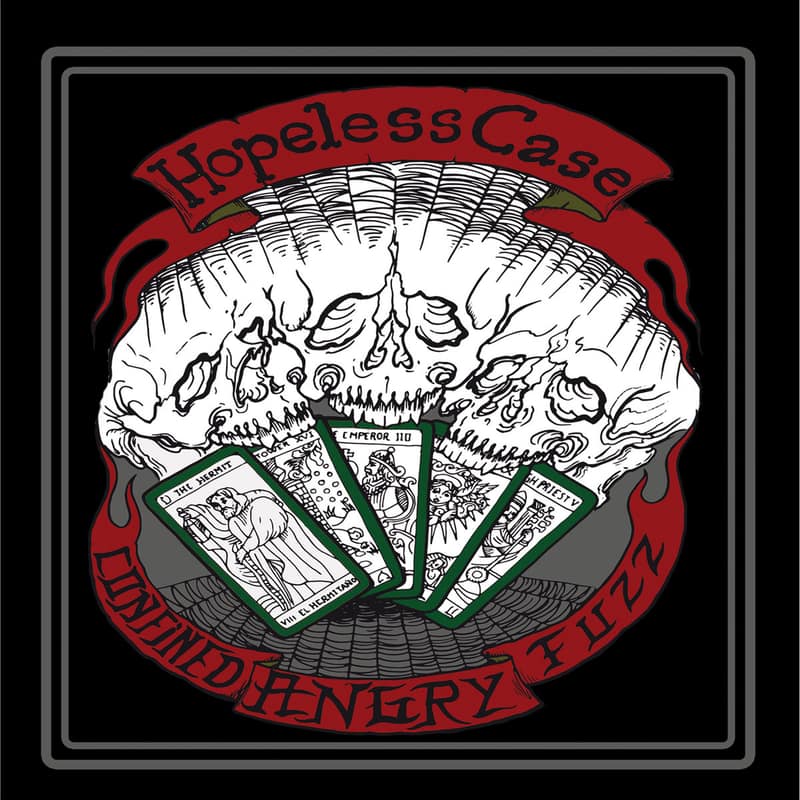
The hardcore scene's influence extends far beyond its immediate boundaries, with groove metal acts like Hopeless Case incorporating hardcore's rhythmic intensity into their sludge-heavy approach. This cross-pollination demonstrates how hardcore's fundamental aggression continues shaping metal's evolution across multiple subgenres.
Staind's completion of their ninth studio album, though slated for release beyond 2026, represents alternative metal's ongoing relationship with hardcore's emotional intensity. The band's ability to channel raw emotion through heavy arrangements shows hardcore's lasting impact on mainstream metal acceptance.
International Collaborative Surprises
The collaboration between Finnish Eurovision winners Lordi and former Battle Beast vocalist Noora Louhimo on Johnny Logan's "Hold Me Now" represents one of 2026's most unexpected cross-cultural projects. This partnership demonstrates metal's capacity for absorbing influences from completely disparate musical contexts while maintaining its essential character.
Such international collaborations reflect metal's increasingly global perspective, with artists recognizing no geographic or stylistic boundaries in their creative partnerships. The project's Eurovision connection adds a layer of mainstream accessibility that could introduce metal to audiences traditionally outside the genre's reach.
Vocal Powerhouses and Side Projects
Alissa White-Gluz's Blue Medusa project continues generating momentum with "Flying Monkey," following the success of "Checkmate." Her transition from Arch Enemy through various collaborations demonstrates the modern metal vocalist's need for creative diversification beyond single-band commitments.
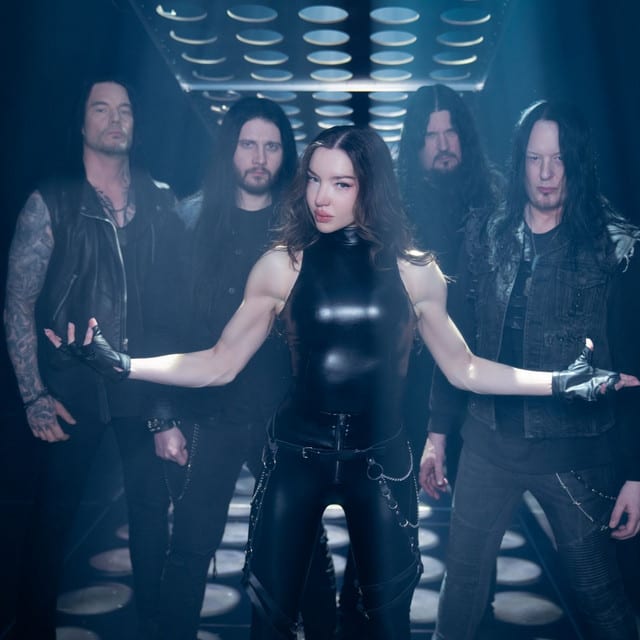
White-Gluz's multi-project approach reflects a broader trend among metal's leading vocalists, who increasingly view side projects as essential creative outlets rather than mere distractions from main bands. This evolution allows artists to explore different musical territories while maintaining their primary allegiances.
Evanescence's "Who Will You Follow" continues Amy Lee's examination of technology's impact on modern society, with the accompanying music video exploring digital culture's overwhelming influence. The band's ability to address contemporary issues through gothic metal arrangements shows how veteran acts adapt their messaging to current realities while maintaining their distinctive sound.
Festival Circuit and Live Performance Evolution
Korn's live debut of "Reward The Scars" at Sick New World demonstrates the festival circuit's role as a testing ground for new material. Major acts increasingly use festival appearances to gauge audience reactions before committing songs to studio albums, making these events crucial laboratories for metal's evolution.
The announcement of Canada's "Rock The Runway" festival featuring Limp Bizkit and Cypress Hill shows festival organizers embracing genre diversity that reflects metal's expanded boundaries. These multi-genre events introduce metal audiences to related styles while bringing new fans into metal's orbit.
A Perfect Circle and Puscifer's simultaneous world tour announcements represent logistical ambition that few artists attempt. Maynard James Keenan's ability to manage dual touring commitments demonstrates the level of organization required for metal bands touring 2026's increasingly complex international circuit.
Underground Movements and Emerging Sounds
Monolord's "Oozing Wound" single preview suggests their "Neverending" album will continue exploring doom metal's psychedelic territories. The band's approach to heavy, repetitive structures offers an alternative to metal's technical complexity trends, proving that simplicity and power remain viable artistic choices.
Swedish doom metal's influence continues spreading through underground scenes, with sludge metal acts like Extensa incorporating similar atmospheric approaches into their post-metal compositions. This cross-pollination between doom and sludge demonstrates underground metal's sophisticated understanding of dynamic contrast and emotional build.
The release of Mirar's "Gradus Ad Parnassum" EP with eight new tracks shows emerging bands' willingness to deliver substantial releases that establish their artistic vision comprehensively. In an era of single-focused promotion, full EP releases demonstrate confidence in sustained artistic statements.
Looking Forward: Metal's 2026 Trajectory
The convergence of thrash veterans returning with renewed aggression, progressive acts embracing orchestral collaboration, and international artists breaking down cultural barriers suggests 2026 will be remembered as a year of ambitious artistic risk-taking. From Exodus and Anthrax's aggressive returns to Voivod's symphonic experimentation, metal's established acts are refusing to settle into comfortable formulas.
This artistic restlessness, combined with hardcore's uncompromising standards and international collaboration's expanding possibilities, positions 2026 as a pivotal year for determining metal's future directions. The new metal bands 2026 emerging alongside these veteran acts will inherit a genre simultaneously honoring its roots and fearlessly exploring uncharted territories.
As the global metal scene continues expanding its reach through festival diversity and cross-cultural partnerships, the fundamental question remains whether metal can maintain its authentic edge while embracing mainstream accessibility. The current trajectory suggests the best metal bands understand this balance, delivering both artistic integrity and expanded audience reach through careful creative choices that respect the genre's essential character while pushing its boundaries into previously unexplored territories.