Legacy Protection and New Alliances: Rush's Mourning Boundaries While Supergroup Formations Reshape Thrash's Future
The sanctity of musical legacy has taken center stage this week as Rush's Geddy Lee opens up about the unsolicited approaches from drummers following Neil Peart's passing, while simultaneously, former Megadeth members unite in Kings of Thrash to forge new creative territories. These contrasting stories illuminate metal's complex relationship with legacy preservation versus evolutionary collaboration.
The Boundaries of Grief and Musical Heritage
In revelations that have sent shockwaves through the progressive rock and metal communities, Geddy Lee has disclosed the deeply inappropriate behavior of numerous drummers who contacted Rush immediately after Neil Peart's death. The timing of these approaches—reaching out during the band's darkest hour—represents a profound breach of both professional etiquette and human decency.
Lee's candid admission about finding these contacts "most distasteful" highlights an often-hidden aspect of the music industry: the vulture-like behavior that emerges when legendary positions become vacant. For Rush, a band whose identity was so intricately woven around the chemistry between three irreplaceable members, these approaches must have felt like grave robbing.
This situation reflects a broader issue within the metal and rock communities about respecting artistic legacy. The Nion approach to gothic metal—building something entirely new rather than attempting to fill impossible shoes—offers a stark contrast to this opportunistic behavior. When legendary musicians pass, their positions aren't job openings; they're sacred spaces that deserve reverence.
Constructive Collaboration in Thrash's New Era
In sharp contrast to the predatory behavior surrounding Rush, the formation of Kings of Thrash represents how former band members can respectfully channel their shared musical history into something fresh. Jeff Young's reunion with David Ellefson, alongside Chaz Leon and Fred Aching, demonstrates the proper way to honor musical relationships while creating new artistic statements.
Young's commentary on their latest single "Bullets Ready" reveals how contemporary global tensions provide fertile ground for thrash's traditionally politically-charged approach. The genre has always served as a sonic response to world chaos, and Kings of Thrash's timing seems particularly relevant given current international instability.
This kind of respectful collaboration among former bandmates offers a blueprint for how veteran musicians can continue creating without diminishing their previous work's integrity. Rather than attempting to recreate Megadeth, they're building something that honors their shared musical DNA while exploring new territories.
Political Expression and Artistic Responsibility
Scott Ian's recent political statements about government failures regarding children's safety continue Anthrax's long tradition of using their platform for social commentary. The thrash veteran's uncompromising stance reflects metal's unique position as a genre where political expression isn't just accepted—it's expected.
Ian's approach to channeling anger through music represents a healthy outlet that many metal musicians employ. Rather than letting frustration fester, the creative process becomes a means of processing and expressing complex emotions about societal failures. This tradition stretches back to the genre's earliest days and remains one of metal's most vital characteristics.
For bands like Chronic Decay, whose crossover thrash approach naturally lends itself to political themes, veteran voices like Ian's provide a template for how to channel contemporary frustrations into powerful musical statements.
Visual Legacy and Artistic Ownership
Primary Wave's acquisition of the Hipgnosis artwork catalog represents another facet of legacy preservation in the music industry. The iconic visual art that graced albums by Pink Floyd, Led Zeppelin, and Black Sabbath now falls under new corporate ownership, raising questions about artistic heritage and commercial control.
These visual elements aren't merely decorative—they're integral components of how we remember and contextualize some of the best metal albums of all time. The transfer of such culturally significant artwork to publishing companies reflects the ongoing commodification of musical history, where artistic legacy becomes corporate asset.
For contemporary bands, this development highlights the importance of maintaining creative control over visual identity. The relationship between sonic and visual art in metal has always been crucial, and protecting that relationship becomes increasingly complex in today's corporate landscape.
Festival Circuit Evolution and Live Performance
The collaboration between Daughtry and Halestorm's Lzzy Hale at Sonic Temple demonstrates how festival environments continue fostering unexpected musical partnerships. These cross-genre moments, while sometimes seeming forced, occasionally produce genuine artistic magic that transcends typical categorization boundaries.
Korn's debut of new material at Sick New World showcases how major festivals have become essential platforms for bands to test new songs before wider release. The immediate fan reaction and social media documentation create real-time feedback loops that can influence final recording decisions.
Metal Church's live debut with their restructured lineup, featuring David Ellefson and Brian Allen, illustrates how veteran bands navigate personnel changes while maintaining their core identity. The Mexican festival setting provided a perfect environment for testing new chemistry without the pressure of home market expectations.
Industry Crossovers and Commercial Ventures
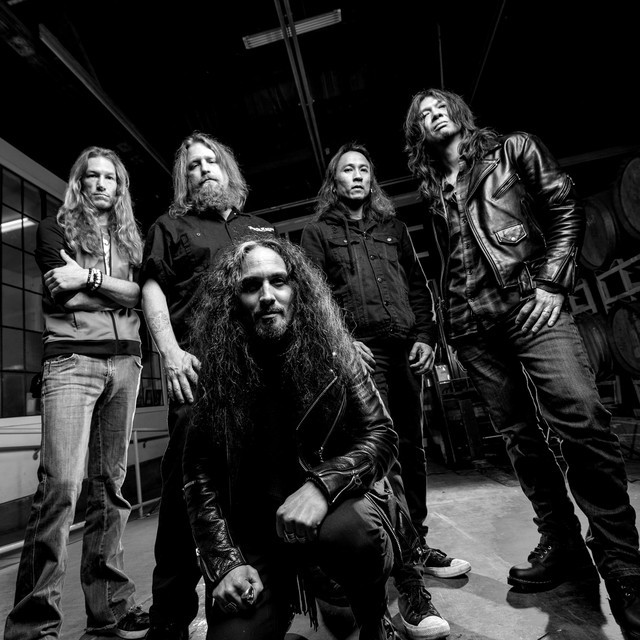
The Transformers 40th anniversary soundtrack featuring members from Death Angel, Kerry King's projects, and Skid Row represents Hollywood's continued recognition of metal's cultural impact. These commercial collaborations, while sometimes criticized by purists, provide important revenue streams and exposure opportunities for participating musicians.
Such projects also demonstrate metal's evolution from underground phenomenon to mainstream cultural force. When major entertainment franchises seek metal musicians for soundtrack contributions, it acknowledges the genre's emotional intensity and its ability to enhance dramatic narratives.
Looking Forward: Preservation Versus Innovation
The week's developments reveal metal's ongoing tension between honoring the past and embracing the future. While inappropriate approaches to legendary musicians' families deserve condemnation, respectful collaboration among veterans should be celebrated. The genre's strength has always resided in its ability to channel raw emotion—whether grief, anger, or excitement—into powerful artistic statements.
For new metal bands 2026, these stories provide important lessons about professional conduct, artistic integrity, and the responsibility that comes with carrying forward metal's traditions. The SiM approach to blending alternative metal with diverse influences shows how contemporary bands can innovate while respecting genre foundations.
As metal continues evolving, the industry must balance commercial opportunities with artistic authenticity. Whether through supergroup formations, political expression, or visual art preservation, the genre's future depends on maintaining the passion and integrity that built its foundation while remaining open to new creative possibilities.
The global metal scene thrives when veterans and newcomers alike approach their craft with the respect and dedication these musical traditions deserve, creating space for both preservation and innovation in equal measure.