Age-Defying Records and Intimate Returns: 99-Year-Old Crowd Surfer Makes History While Greta Van Fleet Strips Down for Bowery Ballroom
The metal community witnessed something extraordinary this week as 99-year-old Pauline Kana shattered age barriers by becoming the oldest crowd surfer in recorded history. Her triumphant declaration – "I did it! I'm the greatest of all time!" – echoes across a scene that has always celebrated defiance of conventional boundaries, but rarely with such literal age-smashing audacity.
Kana's record-breaking moment represents more than just a quirky milestone; it symbolizes the enduring, transgenerational power of heavy music to unite audiences across decades. While metal has always prided itself on rejecting societal norms, witnessing a near-centenarian literally surf over a crowd challenges every assumption about who belongs in the pit and what defines the global metal scene.
The Physics of Defiance
Crowd surfing at 99 requires not just courage but careful coordination between performer and audience. The logistics alone – ensuring proper support, managing crowd dynamics, maintaining safety protocols – demonstrate how metal venues and crews have evolved to accommodate increasingly diverse audiences. This isn't just about age inclusivity; it's about the professionalization of what was once pure chaos.
The achievement also highlights how modern metal events blend spectacle with safety consciousness. Where early hardcore and thrash shows operated on pure adrenaline and minimal oversight, today's venues must balance the raw energy that defines heavy music with responsible crowd management. Kana's successful surf required both her determination and a supportive crowd infrastructure that has matured alongside the genre itself.
Intimate Spaces, Electric Energy
Meanwhile, Greta Van Fleet's announcement of an intimate Bowery Ballroom performance signals a different kind of boundary-pushing. After building their reputation in massive arenas and festival stages, the band's decision to return to a legendary 575-capacity venue represents a strategic artistic choice that many new metal bands 2026 should study carefully.
The Bowery Ballroom holds special significance in heavy music history, having hosted everyone from underground black metal acts to major label showcases. For Greta Van Fleet to choose this venue for their May 27 performance suggests a desire to reconnect with the raw intimacy that arena shows can sometimes sacrifice. The electricity generated in smaller spaces often translates to more memorable performances, both for artists and audiences.
This venue downsizing trend reflects broader changes in how established acts approach touring strategy. Rather than constantly escalating to larger spaces, many bands are discovering the value of controlled scarcity and heightened intensity. The psychological impact of cramped quarters, limited sightlines, and inescapable volume creates experiences that stadium shows struggle to replicate.
Physical Media's Persistent Power
Slipknot members are capitalizing on physical format enthusiasm with their June 12 worldwide release of "Look Outside Your Window," expanding beyond the initial Record Store Day exclusive. The project, featuring Clown, Corey Taylor, Jim Root, and Sid Wilson, demonstrates how established acts leverage limited releases to maintain fan engagement between major album cycles.
This strategy acknowledges that collectors and hardcore fans crave tangible connections to their favorite artists. While streaming dominates casual consumption, physical releases create premium experiences that justify higher price points and generate genuine excitement. The progression from Record Store Day exclusive to worldwide availability shows sophisticated understanding of market dynamics and fan psychology.
The timing also reflects how metal bands touring 2026 are coordinating releases with live performance schedules to maximize impact across multiple revenue streams. Rather than treating physical and digital releases as separate strategies, successful bands now orchestrate comprehensive campaigns that amplify each component.
Festival Season Intensity
Greece's Release Athens Festival announcement showcases the international festival market's continued expansion, with Pantera, Megadeth, Limp Bizkit, and Three Days Grace headlining summer programming. This lineup demonstrates how major European festivals balance metal's various subgenres while ensuring broad commercial appeal.
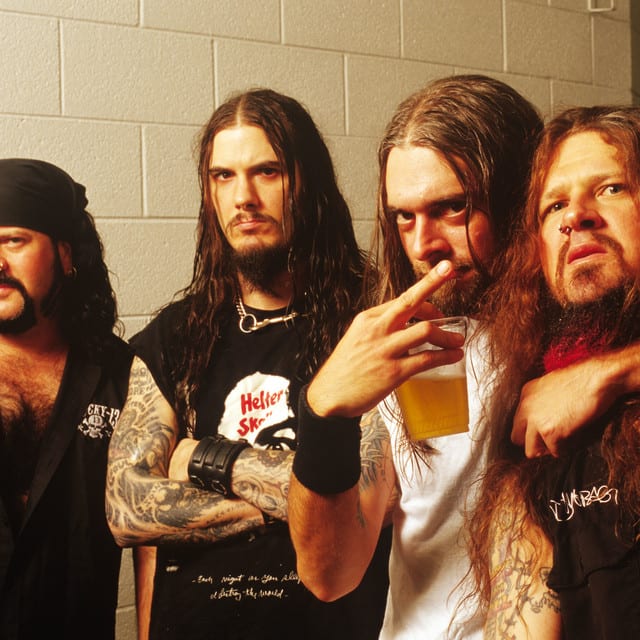
The inclusion of acts spanning from groove metal pioneers to nu-metal veterans to modern alternative metal reflects festival organizers' understanding that successful events require demographic diversity. Each band brings distinct audience segments, creating cross-pollination opportunities that introduce fans to adjacent genres and eras.
Greece's emergence as a significant festival destination also highlights how metal's geographic footprint continues expanding beyond traditional strongholds. While Germany, UK, and Scandinavian festivals remain prestigious, newer markets offer fresh opportunities for both established acts and emerging talent seeking international exposure.
Deep Catalog Exploration
Fear Factory's Australian tour launch featured three setlist rarities, including material not performed live since 2001, illustrating how anniversary tours enable artistic archaeology. These deep cuts reward longtime devotees while challenging bands to revisit earlier creative periods with mature perspectives.
The 35th anniversary framework provides cover for experimentation that might seem risky in regular touring contexts. Fans attending anniversary shows expect surprises and rarities, creating permission for bands to explore catalog depths that streaming algorithms rarely surface. This excavation process often reveals how earlier material translates through evolved performance skills and updated equipment.
For bands with extensive discographies, anniversary tours become curatorial exercises requiring careful balance between expected hits and forgotten gems. The risk-reward calculation involves potentially losing casual fans while energizing hardcore supporters who crave exclusive experiences unavailable elsewhere.
Genre Evolution and Corporate Crossovers
The unexpected resurrection of the "What the fuck is up, Denny's?!" viral moment in corporate marketing demonstrates how metal and punk aesthetics penetrate mainstream culture in unpredictable ways. Thirteen years after the original clip gained internet notoriety, the restaurant chain's decision to embrace rather than distance themselves from the association shows corporate America's evolving relationship with heavy music.
This crossover reflects metal's cultural normalization while maintaining its rebellious edge. When family restaurants can safely reference metal-adjacent viral content, it signals both the genre's mainstream acceptance and the original clip's lasting cultural impact. The timing also suggests that corporate marketing teams recognize metal fans' purchasing power and brand loyalty.
Such collaborations create complex dynamics within metal communities. Some fans celebrate mainstream recognition while others worry about commercialization diluting authentic expression. These tensions reflect broader questions about how underground cultures maintain integrity while gaining wider acceptance.
From 99-year-old crowd surfers to intimate venue returns, physical format revivals to corporate viral resurrections, metal's current landscape showcases unprecedented diversity in both artistic expression and audience engagement. The genre continues evolving while maintaining the rebellious spirit that originally defined it, proving that true heavy music transcends age, venue size, and commercial context.
As these stories demonstrate, metal's strength lies not in rigid adherence to past formulas but in constant boundary-pushing that honors core values while embracing unexpected possibilities. Whether that means supporting nonagenarian crowd surfers or major bands choosing smaller venues, the best metal bands understand that authenticity requires both respect for tradition and willingness to surprise.