Cancer Victories and Digital Boundaries: Coal Chamber's Medical Triumph While AI Innovation Reshapes Metal's Identity Debates
The metal community witnessed extraordinary resilience this week as Coal Chamber drummer Mikey Cox announced his victory over stage 3 cancer, delivering triumphant news that resonates far beyond nu-metal circles. Cox's battle and recovery illuminate the unwavering determination that defines metal's core spirit, while simultaneously, the Osbourne family's partnership with AI company Hyperreal to create digital versions of Ozzy raises profound questions about authenticity in an increasingly technological world.
Cox's announcement carries particular weight in a genre where physical and emotional endurance often define artistic credibility. His successful fight against such an advanced cancer diagnosis stands as a testament to the same fortitude that has kept nu-metal's pioneers relevant decades after critics dismissed the movement. Coal Chamber's groove-heavy approach helped establish templates that countless bands still follow, making Cox's recovery not just personal victory but a celebration of nu-metal's enduring influence.
The Digital Ozzy Experiment
Meanwhile, the Osbourne family's AI venture represents perhaps metal's most ambitious technological leap yet. Jack and Sharon Osbourne's announcement at the Licensing Expo 2026 in Las Vegas revealed their collaboration with Hyperreal to create what Jack termed "the digital DNA of Ozzy Osbourne, voice, image [and] movement." This digital Ozzy will interact with fans globally, responding in the Prince of Darkness's own voice.
The implications stretch far beyond novelty. For a genre built on raw human emotion and authentic rebellion, AI-powered interactions challenge fundamental assumptions about what makes metal meaningful. Yet the technology also offers unprecedented access, potentially allowing fans worldwide to engage with metal's most iconic figure long after traditional touring becomes impossible.
This technological push reflects broader changes across the global metal scene. Chamber and other groove metal acts increasingly incorporate digital elements while maintaining their aggressive core, suggesting the genre can embrace innovation without sacrificing intensity.
Genre Evolution and Technological Integration
The contrast between Cox's very human triumph and Ozzy's digital future perfectly encapsulates metal's current crossroads. Bands like Korn continue debuting new material at major festivals, with their recent "Reward The Scars" performance at Sick New World demonstrating how veteran acts balance technological production with live energy. The track's festival debut showcased how new metal bands 2026 must navigate increasingly sophisticated audience expectations while maintaining the raw power that defines the genre.
The Pretty Reckless's upcoming "Dear God" album, with its emotionally driven title track led by Taylor Momsen's commanding vocals, represents another approach to this balance. Their June 26 release through Fearless Records demonstrates how established acts continue pushing creative boundaries without relying on technological gimmicks.
For the global metal scene, these developments highlight the diversity of approaches available to both emerging and veteran acts. While some bands explore digital frontiers, others double down on human connection and authentic experience.
Live Performance and Community Connection
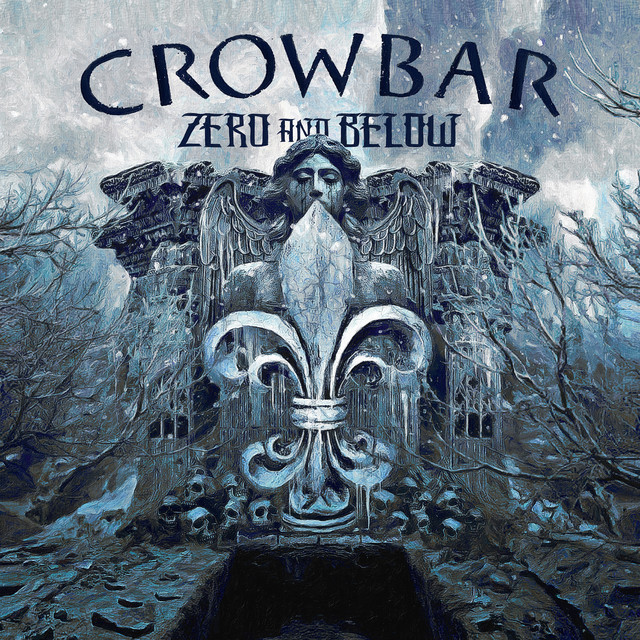
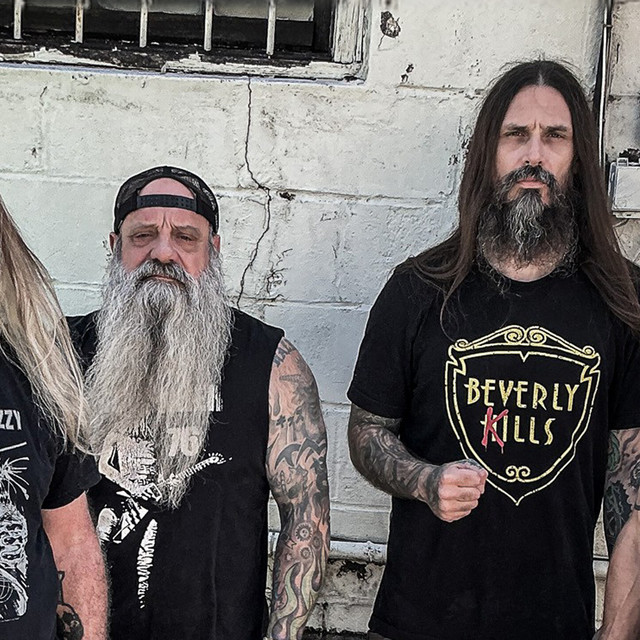
Crowbar's announcement of a free Louisiana hometown show being recorded for a live album exemplifies this authentic approach. Kirk Windstein's decision to professionally document the July 17 performance at Southport Music Hall in Jefferson demonstrates how sludge metal veterans prioritize genuine fan connection over technological innovation. The band's approach reflects broader trends among acts who view live performance as metal's irreplaceable core experience.
This emphasis on live authenticity extends throughout various metal subgenres. Bands exploring groove metal territories continue finding new ways to connect directly with audiences, whether through intimate venue performances or strategic festival appearances that showcase their evolution while honoring their roots.
Collector Culture and Fan Devotion
The emergence of record-breaking collector culture, exemplified by Danish fan Rasmus Stavnsborg's reportedly 10,000-piece Iron Maiden collection, reveals another dimension of metal's human connections. Stavnsborg's six-room shrine demonstrates how the best metal bands inspire devotion that transcends typical fan relationships, creating nearly museum-quality archives of band history.
This extreme collector culture raises fascinating parallels with AI preservation efforts. While Stavnsborg physically preserves Iron Maiden's legacy through tangible artifacts, the Osbourne family digitally preserves Ozzy's essence through artificial intelligence. Both approaches attempt to maintain connection with metal's legends, yet they represent fundamentally different philosophies about preservation and access.
The 99-year-old crowd surfing world record holder further emphasizes metal's unique ability to transcend traditional boundaries. Pauline Kana's historic achievement proves that metal's community spirit operates beyond conventional limitations, whether age-related or technological.
Innovation Versus Tradition
These parallel developments illuminate fundamental tensions within modern metal culture. Joe Satriani's preparation for "The Best Of All Worlds" tour, which involved studying YouTube videos of guitarists playing Eddie Van Halen's parts, demonstrates how even virtuoso musicians embrace technology for educational and tribute purposes. Satriani's approach with Sammy Hagar and Michael Anthony shows respectful integration of digital resources with live performance excellence.
Skid Row's partnership with Sweetwater for their vocalist search represents another technological innovation, using the musical equipment retailer's platform to identify potential singers. Rachel Bolan's confirmation that several candidates have "really piqued our interest" suggests that unconventional recruitment methods can yield serious results for established acts.
For emerging artists, these varied approaches offer multiple pathways to success. Bands can choose between Crowbar's grassroots live recording approach, The Pretty Reckless's traditional label release strategy, or more experimental technological integration similar to the Osbourne family's AI venture.
Scene Diversification and Cross-Genre Influence
The influence of MySpace-era metalcore on newer acts like Gradience, who blend rap elements with classic metalcore foundations, demonstrates how technological platforms continue shaping genre evolution. Their "Deathwish" approach, paying homage to Killswitch Engage, Job For A Cowboy, and The Black Dahlia Murder while adding rap and melodic elements, shows how 80s metal bands and 2000s metalcore acts both influence contemporary artists seeking to create distinctive sounds.
This cross-generational influence reflects metal's remarkable ability to simultaneously honor tradition and embrace innovation. Whether through AI technology, live album documentation, or genre-blending experimentation, the global metal scene continues expanding its creative boundaries while maintaining core identity elements that have defined the genre for decades.
Looking Forward
As 2026 unfolds, metal's trajectory appears increasingly diverse. Cox's cancer victory reminds us that human resilience remains central to metal's appeal, while technological innovations like digital Ozzy interactions suggest new possibilities for fan engagement. The success of both approaches depends on maintaining metal's essential spirit of rebellion, authenticity, and community connection.

For fans seeking upcoming shows, this diversity offers unprecedented variety. Whether preferring intimate live recordings like Crowbar's planned documentation, major festival debuts of new material, or potentially AI-enhanced experiences, the global metal scene provides options that would have seemed impossible just a few years ago.
The challenge for all participants—from veteran acts to emerging bands to dedicated fans—lies in navigating these options while preserving what makes metal meaningful. Cox's triumph over cancer and Ozzy's digital future both serve the same community, just through radically different means. As metal continues evolving, success will likely depend on balancing these approaches rather than choosing between them.