Congressional Recognition and Creative Authenticity: Ozzy Receives Official Honor While Soundgarden Preserves Cornell's Final Contributions
The metal community witnessed significant developments this week as political recognition intersected with artistic preservation, while veteran acts demonstrated evolving approaches to authenticity and legacy management. From congressional chambers to studio archives, these stories reveal how the global metal scene continues balancing institutional respect with creative integrity.
Political Recognition Reaches Heavy Metal Royalty
Ozzy Osbourne received an unprecedented congressional honor this month, marking a watershed moment for metal's mainstream acceptance. U.S. Representative Victoria Spartz of Indiana's 5th Congressional District formally recognized the Prince of Darkness through the Congressional Record, cementing his cultural impact beyond music circles. This official government acknowledgment represents decades of evolution from metal's outsider status to its current position as recognized American cultural export.
The timing proves particularly significant as metal bands touring 2026 face increasingly complex international landscapes. Official recognition like Ozzy's congressional honor potentially smooths diplomatic pathways for touring acts, particularly as governments worldwide reassess cultural exchange policies. The formal acknowledgment also validates metal's economic contributions, with touring revenues supporting countless communities globally.
This institutional embrace extends beyond symbolic gestures. When legendary figures receive government recognition, it legitimizes entire musical movements and their associated industries. For underground scenes developing worldwide, such recognition demonstrates potential pathways from marginalized subcultures to respected artistic traditions.
Soundgarden's Sacred Trust: Honoring Cornell's Final Works
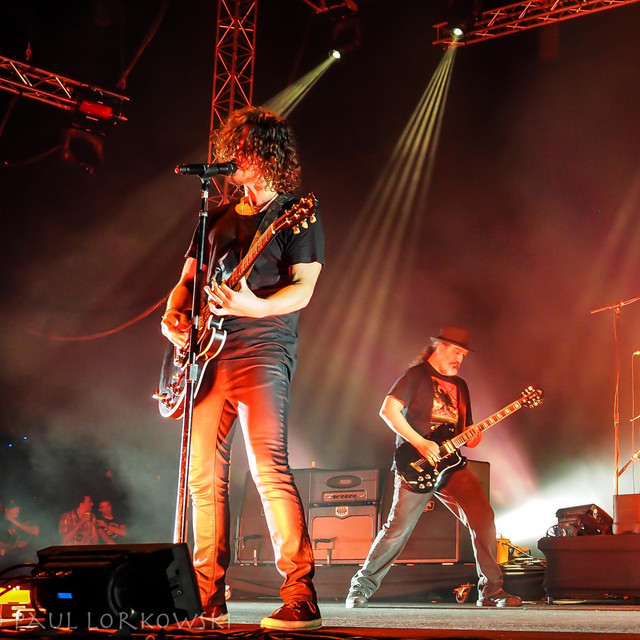
Meanwhile, Soundgarden revealed their careful approach to completing their final album featuring Chris Cornell's contributions. The surviving members emphasized their responsibility to honor both Cornell's legacy and Soundgarden's collective artistic vision. This delicate balance between preservation and completion showcases metal's sophisticated approaches to posthumous releases.
The band's commitment to "doing right by our partner and friend" reflects broader industry evolution regarding deceased members' contributions. Rather than rushing material to market, Soundgarden demonstrates how veteran acts can prioritize artistic integrity over commercial pressures. Their methodical approach contrasts sharply with previous decades' hasty posthumous compilations.
This preservation mindset resonates throughout metal's current landscape. As founding members of influential bands age, surviving musicians increasingly face decisions about incomplete projects and unreleased material. Soundgarden's careful stewardship establishes precedents for respectful completion while maintaining artistic authenticity.
Iron Maiden's Archaeological Excavation: Resurrecting Lost Gems
Iron Maiden's "Run For Your Lives" tour continued making headlines with their first performance of "Infinite Dreams" in 38 years. This archaeological approach to their catalog demonstrates how best metal bands can surprise longtime followers while introducing younger audiences to overlooked material. The Athens concert marked not just a tour kickoff but a masterclass in catalog curation.
The strategic resurrection of deep cuts like "Infinite Dreams" represents sophisticated fan engagement. Rather than relying solely on greatest hits, Maiden rewards devoted followers while creating unique concert experiences. This approach influences how contemporary acts view their own catalogs, encouraging deeper exploration of overlooked material rather than predictable setlist repetition.
For acts developing extensive catalogs, Maiden's archaeological excavations provide blueprints for long-term career sustainability. The excitement surrounding rare track performances often exceeds reactions to new material, suggesting veteran acts possess untapped resources within their own histories.
Studio Authenticity Versus Digital Enhancement
Chevelle's Sam Loeffler sparked important conversations about live performance authenticity by emphasizing their commitment to performing without backing tracks. His statement that "We're just three guys playing this music" highlights growing tensions between technological capabilities and artistic authenticity within modern metal.
This authenticity emphasis arrives as backing tracks become increasingly common across metal venues. While technology enables complex arrangements in live settings, purists argue that over-reliance on pre-recorded elements compromises performance integrity. Chevelle's stance represents broader philosophical divisions within metal's performance culture.
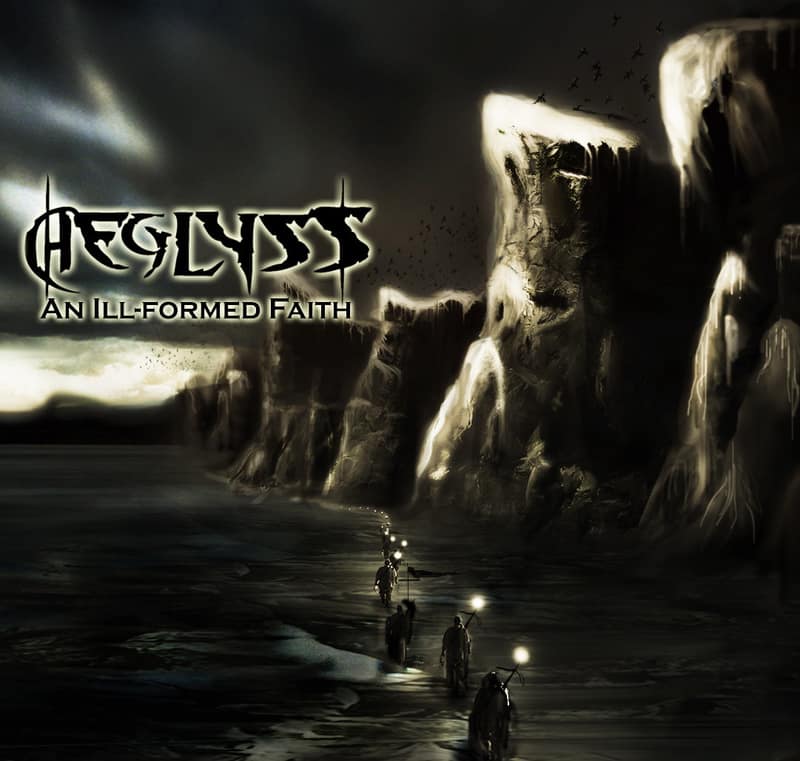
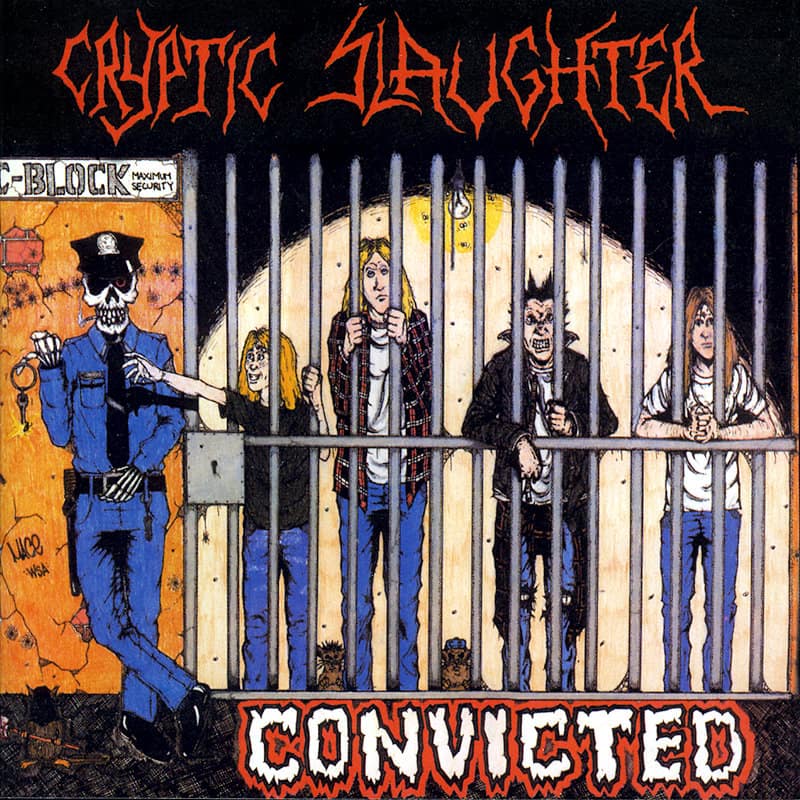
The backing track debate particularly affects crossover thrash and groove metal acts, where rhythmic complexity often challenges live reproduction. Bands like Cryptic Slaughter and Aeglyss face similar decisions about balancing studio sophistication with live authenticity. This conversation extends beyond technical considerations into fundamental questions about what constitutes "real" performance.
Cross-Genre Innovation and Collaborative Evolution
Sol Invicto, featuring members from Deftones and Cypress Hill, continued pushing genre boundaries with their latest track "Clarity" in collaboration with Technical Itch. These cross-pollination projects demonstrate how metal artists increasingly embrace diverse influences, creating hybrid sounds that challenge traditional categorization.
The collaboration trend reflects metal's current experimental phase, where established artists explore outside their comfort zones rather than repeating proven formulas. This adventurous spirit influences younger acts who view genre boundaries as suggestions rather than rigid limitations. The result creates increasingly diverse metal landscapes where traditional categorization becomes meaningless.
Tommy Lee's "Stupid World" single and accompanying revised version of his 2005 album "Tommyland: The Ride" exemplify this experimental approach. Rather than simply reissuing vintage material, Lee reimagined existing works through contemporary perspectives, demonstrating how veteran artists can reinvent their own legacies.
Democratic Band Dynamics and Collective Leadership
Sevendust's Lajon Witherspoon provided insights into their democratic approach with his observation that "No one is a leader" in the band, describing all members as "owners and bosses." This collective leadership model offers alternatives to traditional front-person dominance, potentially influencing how emerging bands structure their internal dynamics.
The democratic approach becomes particularly relevant as bands navigate longer careers and evolving member relationships. Rather than hierarchical structures that often create tension, collective ownership distributes both responsibility and creative input across all participants. This model particularly suits groove metal's rhythmic democracy, where each instrument contributes equally to the overall sonic architecture.
For newer acts exploring similar democratic structures, Sevendust's longevity provides evidence that non-hierarchical approaches can sustain successful careers. Their fifteenth studio album "One" demonstrates how collective creativity can maintain artistic vitality across decades.
Festival Culture and Documentary Preservation
Knocked Loose launched their "Wherever We May Roam" web series documenting their European tour with Metallica, showcasing how modern acts approach career documentation. This behind-the-scenes approach provides fans unprecedented access while creating historical records of significant career moments.
The documentary trend reflects metal's growing sophistication about legacy preservation. Rather than relying on external media coverage, bands increasingly control their own narratives through self-produced content. This approach ensures authentic representation while building deeper fan connections through intimate access.
Korn's performance of new track "Reward The Scars" at Sick New World demonstrated festival culture's role in new metal bands 2026 development. Major festivals provide platforms for both established acts to debut material and emerging artists to reach broader audiences. The festival ecosystem continues expanding globally, creating opportunities for international exchange and cultural cross-pollination.
Personal Authenticity in Public Spaces
Caleb Shomo's recent coming out sparked important conversations about personal authenticity within metal communities. His wife's supportive response and encouragement for others facing similar journeys highlighted metal's evolving relationship with personal vulnerability and public disclosure.
The supportive community response demonstrates metal's capacity for acceptance despite its historically masculine image. This evolution creates safer spaces for artists to share personal truths without fear of rejection or career damage. The authenticity emphasis extends beyond personal identity into artistic expression, where vulnerable honesty increasingly trumps manufactured personas.
These developments reflect broader cultural shifts where personal authenticity becomes valued over maintained facades. For metal artists navigating public and private identities, supportive community responses provide encouragement for honest self-expression both personally and artistically.
As 2026 progresses, these intersecting themes of political recognition, artistic preservation, technological authenticity, and personal honesty continue shaping metal's evolution. From congressional honors to democratic band structures, the scene demonstrates remarkable adaptability while maintaining core values of artistic integrity and community support. Whether through archaeological setlist excavations or vulnerable personal revelations, metal artists continue proving that authenticity and innovation can coexist successfully within respectful, supportive communities.