Tribute Performances and Stadium Spectacles: Metallica's Accept Homage While Parkway Drive Returns to Studio
The global metal scene continues its relentless evolution as veteran acts balance tribute performances with new creative endeavors. Recent developments showcase how the best metal bands of multiple generations are maintaining their relevance through strategic homages, studio returns, and massive spectacle productions that define the modern heavy music landscape.
Metallica's German Tribute Strategy
Metallica's decision to perform Accept's "Fast As A Shark" during their Frankfurt concert demonstrates the strategic importance of regional tribute performances in modern metal touring. The performance by Kirk Hammett and Robert Trujillo represents more than casual fan service—it reflects a sophisticated understanding of cultural connection points that strengthen bonds between international acts and local audiences.
This approach to incorporating regional classics into major stadium shows has become increasingly common among the best metal bands as they navigate global touring markets. Accept's influence on the development of European speed metal cannot be overstated, and their contribution to the foundation of what would become power metal and speed metal genres makes them natural reference points for acts seeking to honor the 80s metal bands that shaped the scene.
The choice to feature "Fast As A Shark" specifically demonstrates deep understanding of metal's evolutionary timeline. Accept's 1982 album "Restless and Wild" represented a crucial bridge between traditional heavy metal and the emerging speed metal movement that would influence countless acts. For bands working in similar territories, acts like BloodSaw and Sawdoff continue exploring the crossover thrash and speed metal territories that Accept helped establish.

Iron Maiden's Catalog Archaeology
Iron Maiden's resurrection of "Infinite Dreams" after 38 years represents one of the most significant catalog developments in recent memory. The track's return during their Athens performance signals a broader trend of veteran acts mining their extensive catalogs for rarely performed gems that can create unique live experiences for longtime followers.
The strategic deployment of deep cuts has become essential for bands with decades of material competing for setlist space. "Infinite Dreams," originally from 1988's "Seventh Son of a Seventh Son," showcases the progressive elements that made that album a watershed moment in Maiden's evolution. Its return suggests the band is comfortable revisiting their more complex compositional periods during major tour cycles.
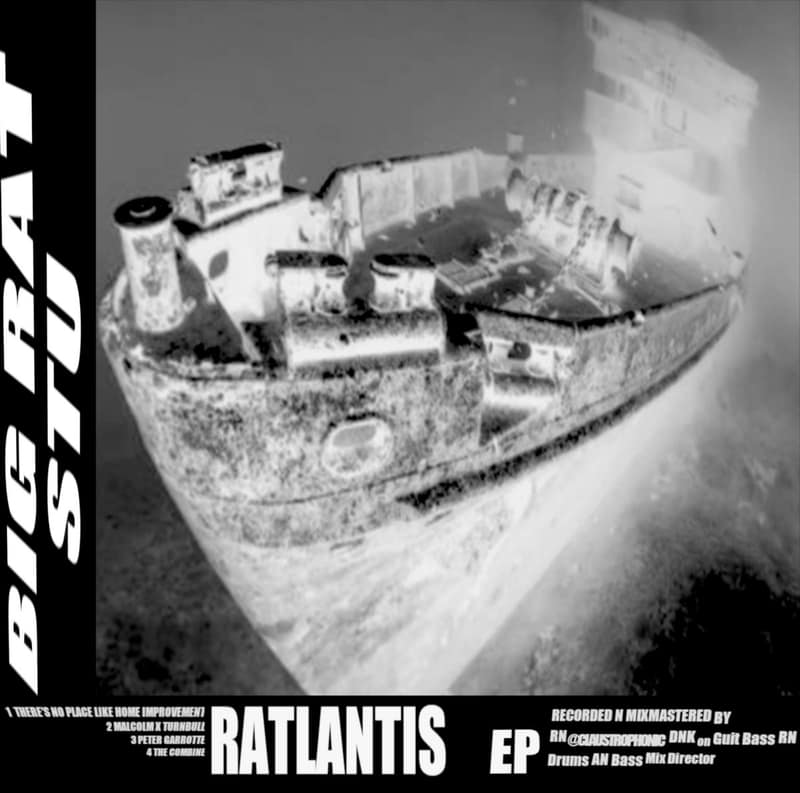
This catalog archaeology approach influences how contemporary progressive and heavy metal acts approach their own material development. The lesson for emerging bands is clear: creating diverse material that can surprise audiences years later requires compositional ambition beyond immediate commercial considerations. Acts in the progressive and heavy metal spheres, including Michael R. Stevenson and Big Rat, understand that building extensive catalogs requires balancing immediate impact with long-term artistic development.
Australian Titans Return to Creative Mode
Parkway Drive's return to studio work represents a significant development for the global metalcore scene. The Australian titans have consistently pushed the boundaries of what metalcore can achieve on major stages, and their studio return suggests continued evolution of their already expansive sound palette.
Their previous albums demonstrated increasing incorporation of orchestral elements and arena-ready production techniques that elevated metalcore beyond its underground origins. This studio return comes at a crucial time when metalcore acts are exploring increasingly diverse influences, from folk elements to electronic integration.
The timing of their studio work coincides with a broader resurgence in groove-oriented metal that emphasizes both technical proficiency and massive hooks. Acts working in related territories understand that modern extreme music requires balancing underground credibility with production sophistication that can translate to festival stages worldwide. The groove metal and crossover elements that many contemporary acts explore find their roots in the boundary-pushing work that bands like Parkway Drive have pioneered over the past decade.
Underground Innovation and Documentary Chronicles
The launch of Knocked Loose's documentary series represents the democratization of band storytelling through digital platforms. Their tour diary approach provides unprecedented access to the realities of modern extreme music touring, from logistical challenges to creative processes that occur between cities.
This direct-to-fan documentary model reflects broader changes in how extreme music acts build communities around their work. Rather than relying on traditional media gatekeepers, bands can now create ongoing narrative content that deepens fan relationships while providing insights into the business and creative realities of contemporary heavy music.
The documentary approach has particular relevance for hardcore and extreme metal acts who often struggle to receive mainstream coverage despite building dedicated followings. By controlling their own narrative presentation, bands can showcase the professionalism and creative sophistication that characterizes modern extreme music scenes.
Awards Recognition and Mainstream Positioning
The American Music Awards results, while disappointing to many metal fans, reflect ongoing challenges in mainstream recognition of heavy music's diversity and innovation. The victory of Twenty One Pilots over acts like Deftones, Sleep Token, and Linkin Park demonstrates persistent gaps between critical acclaim, fan devotion, and industry recognition systems.
These award outcomes highlight the complex relationship between commercial success and artistic innovation in modern heavy music. While mainstream recognition often trails behind actual cultural impact, the nominated acts represent diverse approaches to heavy music that continue attracting new audiences across generational boundaries.
The presence of bands like Sleep Token in major award categories signals growing industry acknowledgment of heavy music's creative sophistication, even when traditional voting patterns favor more commercially accessible acts.
Personal Authenticity in Public Spaces
Recent personal revelations from scene figures demonstrate metal's evolution toward greater authentic expression. The supportive community responses to personal announcements reflect the scene's maturation in handling complex identity discussions with respect and solidarity.
This trend toward personal authenticity creates space for more diverse voices within heavy music communities, potentially influencing both lyrical content and community building approaches across various extreme music genres. The positive community responses suggest metal's traditional values of individual authenticity and community support can successfully adapt to contemporary social discussions.
Looking Forward: 2026's Creative Landscape
The convergence of veteran acts revisiting catalogs, established bands returning to studios, and emerging artists documenting their journeys creates a dynamic environment for metal bands touring 2026. The year promises continued exploration of the balance between honoring metal's rich history and pushing creative boundaries into uncharted territories.
For the Global metal scene, these developments suggest continued health and diversity. From stadium tributes to underground documentation, metal's various communities continue finding new ways to celebrate both their heritage and their ongoing evolution. The scene's ability to support everything from massive spectacle tours to intimate documentary projects demonstrates remarkable resilience and creative vitality.
As these trends develop throughout 2026, the emphasis on catalog depth, studio innovation, and authentic community building provides a roadmap for sustained creative growth across all levels of the heavy music ecosystem. Whether through tribute performances, rare track resurrections, or personal storytelling, metal continues proving its capacity for both honoring its past and embracing its evolving future.