Generational Divides and Progressive Authenticity: Christian Metal's Independent Voice While Genre Boundaries Blur in 2026
The global metal scene continues to defy easy categorization as 2026 unfolds, with established artists making bold statements about artistic independence while new voices challenge traditional boundaries. From Christian metal's unapologetic stance on mainstream acceptance to progressive acts maintaining creative mystery, the landscape reveals a community increasingly comfortable with its diverse identity.
Christian Metal's Independent Path
Stryper's recent positioning against mainstream metal acceptance highlights a fascinating tension within the scene's evolution. The band's frontman has made clear that despite Metallica's undeniable influence on the broader metal landscape, personal artistic choices don't always align with commercial dominance. This perspective illuminates how best metal bands throughout history have maintained their integrity by following creative instincts rather than industry expectations.
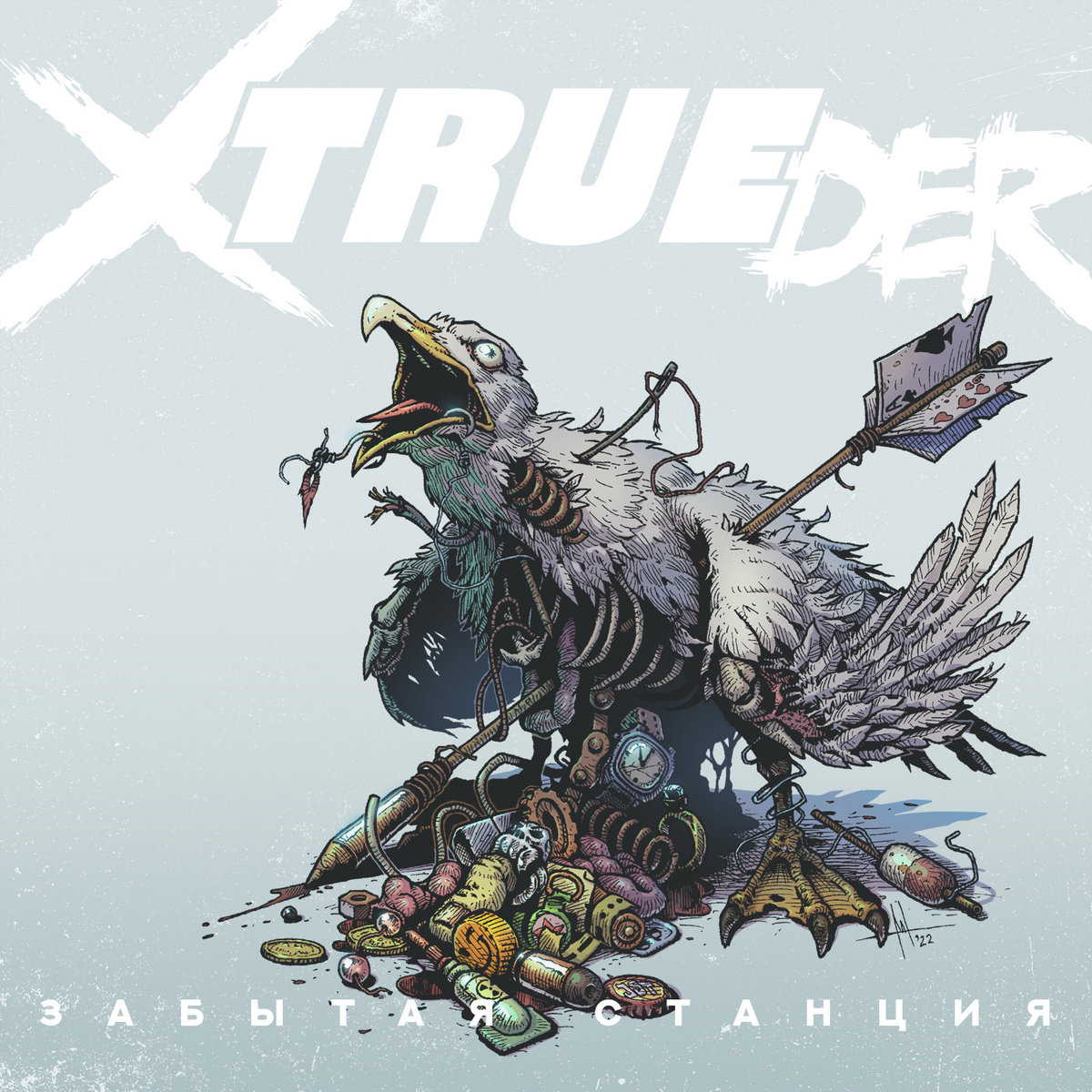
The statement reveals something deeper about metal's ecosystem—success isn't measured solely by universal appeal or chart positions. Instead, artists like Stryper have carved sustainable careers by serving specific audiences with unwavering authenticity. This approach resonates particularly within the groove metal and thrash metal communities, where bands like Xtrueder and Rapidforce have similarly built devoted followings through consistent artistic vision rather than mainstream compromise.
The Christian metal movement's persistence demonstrates how niche scenes can thrive alongside the genre's titans. While Metallica dominates stadium conversations, countless specialized subgenres maintain passionate communities that value message and meaning over mass appeal. This dynamic strengthens metal's overall ecosystem by ensuring diverse voices continue developing distinct sounds.
European Metal's Historical Reverence
Meanwhile, Metallica's tribute to Accept during their Frankfurt performance showcased the global metal scene's deep respect for its foundational influences. These spontaneous covers during major tours represent more than nostalgia—they're educational moments that introduce younger audiences to the genre's rich heritage while honoring the pioneers who established metal's core principles.
Accept's influence on speed metal and power metal cannot be overstated, particularly their impact on bands emerging from European scenes. The recognition during such a high-profile event validates how 80s metal bands continue shaping contemporary artists' approaches to songwriting and performance intensity. This cross-generational dialogue ensures that metal's evolution remains connected to its roots rather than abandoning foundational elements for temporary trends.
The spontaneous nature of such tributes also demonstrates the camaraderie that exists within metal's upper echelons. Despite different commercial trajectories, established artists regularly acknowledge their influences in ways that strengthen the entire community's sense of shared history and purpose.
Progressive Metal's Cryptic Strategies
Protest The Hero's mysterious social media blackout exemplifies progressive metal's sophisticated approach to fan engagement. Rather than relying on traditional announcement cycles, the Canadian outfit has embraced intrigue as a marketing strategy that respects their audience's intelligence while building genuine anticipation for new material.
This cryptic approach reflects broader trends within progressive and avant-garde metal communities, where artists like The Conjuration have similarly used unconventional methods to maintain creative mystery. The strategy acknowledges that modern metal fans appreciate being treated as active participants in the discovery process rather than passive consumers of predetermined content.
Progressive metal's embrace of puzzle-like marketing parallels the genre's musical complexity—both challenge audiences to engage more deeply with the material. This intellectual approach has proven particularly effective for bands targeting dedicated metal communities rather than casual listeners seeking immediate gratification.
Nu-Metal's Continued Evolution
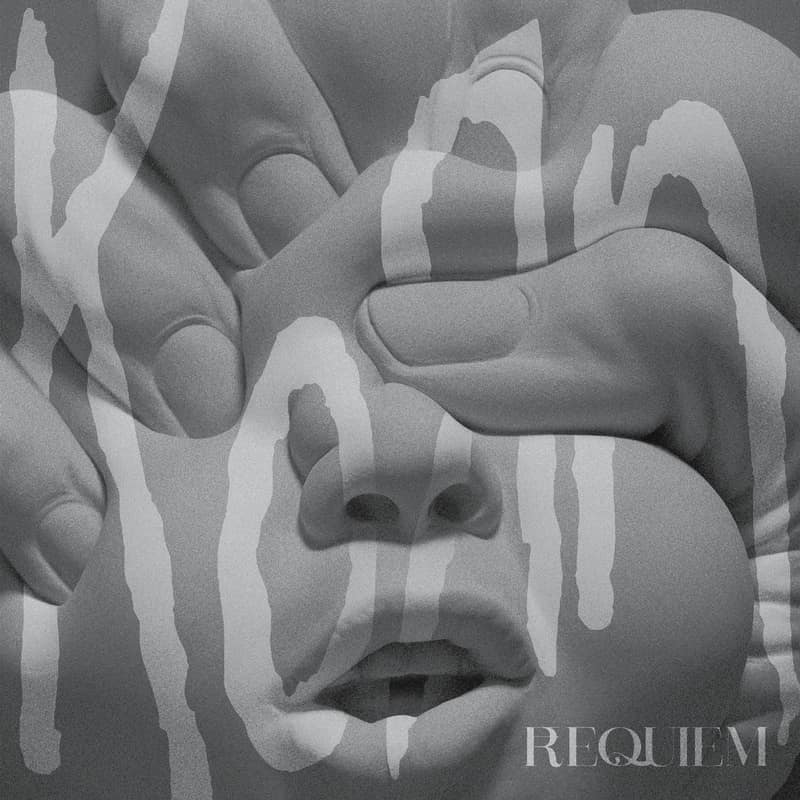
Korn's live debut of new material at Sick New World demonstrates how pioneering nu-metal acts continue pushing their sound forward while maintaining core identity elements. The band's willingness to test unreleased tracks in festival settings shows confidence in their creative direction and respect for their fanbase's ability to appreciate evolving artistry.
This live-first approach to new material reveals sophisticated understanding of modern music consumption patterns. Rather than studio perfection followed by tour reproduction, bands increasingly use live environments as laboratories for developing songs that will eventually reach broader audiences through recordings. The strategy ensures that metal bands touring 2026 offer genuine surprises rather than predictable setlists.
Nu-metal's persistence into 2026 validates the genre's foundational strength despite years of critical dismissal. Bands that survived the backlash have emerged with refined approaches that incorporate lessons learned from both commercial success and industry rejection, resulting in more authentic artistic expressions.
Rock's Congressional Recognition
Ozzy Osbourne's recognition by the US House of Representatives marks a watershed moment for metal's mainstream acceptance. The official acknowledgment of his "rebellious independence" and "creative freedom" validates principles that have driven metal's development since its earliest days. This institutional recognition doesn't diminish metal's outsider status—instead, it confirms the genre's cultural significance and lasting impact on artistic expression.
The timing of this honor reflects metal's maturation as an art form worthy of serious cultural consideration. While maintaining its rebellious spirit, the genre has proven its ability to address complex themes and inspire positive change among listeners worldwide. This balance between institutional respect and countercultural energy provides a template for how metal can evolve without compromising its essential character.
Folk Metal's Expanding Horizons
The growing prominence of folk-influenced metal acts demonstrates the genre's continued expansion into new territorial combinations. Bands like Adavänt represent this evolution, blending traditional musical elements with metal's power and intensity to create sounds that honor both heritage and innovation. This fusion approach has become increasingly sophisticated, moving beyond surface-level novelty toward genuine artistic integration.
Folk metal's development parallels metal's broader tendency to absorb and transform influences from diverse sources. The genre's willingness to incorporate non-traditional instruments and compositional structures has opened new possibilities for creative expression while maintaining the emotional intensity that defines quality metal music.
Looking Forward: Metal's Diverse Future
As 2026 progresses, metal's strength lies in its incredible diversity—from Christian metal's unwavering message focus to progressive acts' cryptic creativity, from nu-metal's continued evolution to folk metal's cultural bridges. This variety ensures that the global metal scene remains vibrant and relevant across multiple demographics and geographical regions.
The year's developments suggest that authenticity remains metal's most valuable currency. Whether through Stryper's independent stance, Metallica's historical tributes, or emerging acts' innovative approaches, success continues flowing to artists who prioritize genuine expression over calculated market positioning. This principle provides hope for both established acts seeking creative renewal and new metal bands 2026 building their initial audiences.
Metal's future appears increasingly bright as the community embraces both its foundational principles and evolutionary potential. The genre's ability to simultaneously honor its past while exploring new territories ensures continued relevance for audiences seeking music that combines technical excellence with emotional authenticity and cultural significance.