Lineup Upheavals and Band Evolution: Mastodon's Guitarist Transition While Metal Tours Navigate Formation Changes
The metal landscape continues its relentless evolution as established acts navigate significant lineup changes while maintaining their creative momentum. From progressive metal giants facing member departures to veteran bands asserting their longevity despite external perceptions, the current scene demonstrates how adaptability and persistence define survival in heavy music's competitive ecosystem.
Mastodon Enters New Territory Without Founding Member
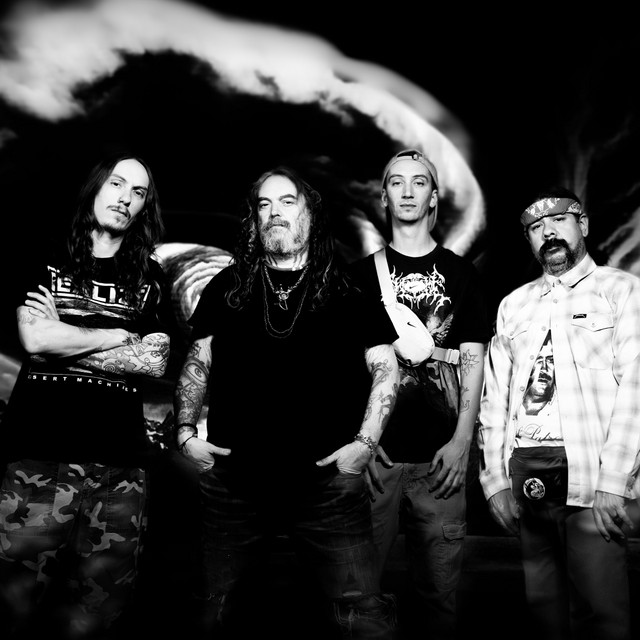
Atlanta progressive metal titans Mastodon have released their first track without founding guitarist Brent Hinds, marking a pivotal moment in the band's two-decade career. The new single represents uncharted waters for a group that has consistently ranked among the best metal bands of the modern era, demonstrating their willingness to evolve rather than stagnate.
This departure follows a pattern of lineup adjustments across the global metal scene, where long-standing partnerships face inevitable strain from touring demands, creative differences, and personal evolution. The band's ability to continue creating while processing such a fundamental change speaks to the resilience required in professional heavy music.
World tour announcements accompanying this release suggest Mastodon views this transition as an opportunity rather than a setback. Their approach mirrors how many of the 80s metal bands maintained relevance through strategic reinvention, proving that core songwriting strength can transcend individual personalities when properly channeled.
Touring Circuit Responds to Evolving Lineups
The current festival and touring landscape reflects this broader trend of adaptation, with multiple acts announcing significant tour packages despite recent changes. Uncle Acid and The Deadbeats have confirmed North American dates with Italian doom metal support Messa, creating a package that showcases both stoner metal's psychedelic heritage and its contemporary European evolution.
Meanwhile, instrumental progressive guitarist Plini's announced fall tour with Night Verses demonstrates how new metal bands 2026 are building sustainable careers through strategic partnerships and consistent live presence. These touring strategies prove particularly relevant for acts exploring post-metal territories, where atmospheric compositions require live translation to achieve full impact.
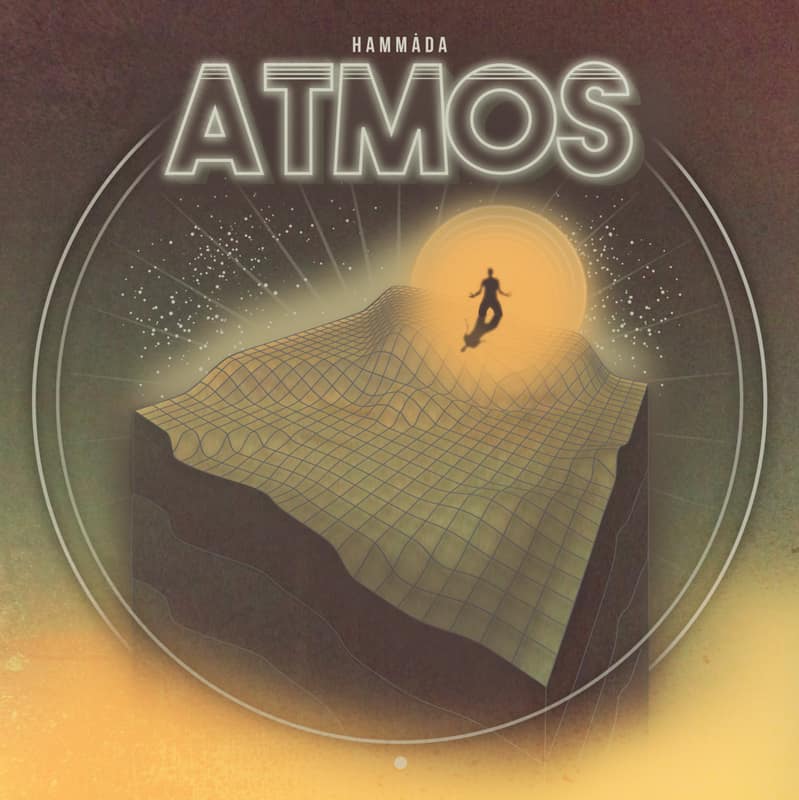
The stoner metal revival continues gaining momentum through these tour announcements, addressing a significant gap in contemporary heavy music coverage. Acts like Hammada represent this genre's global expansion, bringing desert rock aesthetics to international audiences hungry for groove-heavy alternatives to increasingly technical modern metal.
Veterans Assert Staying Power Against Skepticism
Chris Jericho's recent defense of Fozzy's quarter-century career highlights ongoing tensions between celebrity involvement and metal credibility. His assertion that longevity proves musical merit rather than marketing success resonates beyond his specific situation, addressing broader questions about authenticity in an increasingly commercialized genre.
This credibility debate extends throughout metal's current ecosystem, where social media presence and cross-platform engagement often overshadow traditional metrics like album quality or live performance intensity. Jericho's comments reflect frustration shared by many artists who feel their musical contributions get overshadowed by external factors beyond their creative control.
The persistence required to maintain relevance for 25 years deserves recognition regardless of an artist's other pursuits. Many of the best heavy metal songs emerged from musicians balancing multiple creative outlets, suggesting that diverse experience can enhance rather than compromise artistic authenticity when properly integrated.
Political Consciousness in Contemporary Metal
Queensrÿche vocalist Todd La Torre's recent political commentary demonstrates metal's continued engagement with social issues, reflecting a tradition extending back to the genre's working-class origins. His observations about voter sentiment and political climate echo themes that have long permeated heavy music, from early thrash bands' anti-establishment stance to contemporary acts addressing systemic inequality.
This political awareness connects to Pussy Riot's ongoing protest activities, where performance art and metal collaboration create platforms for resistance messaging. Their partnership with Avenged Sevenfold represents how established metal acts can amplify activist voices while maintaining their core musical identity.
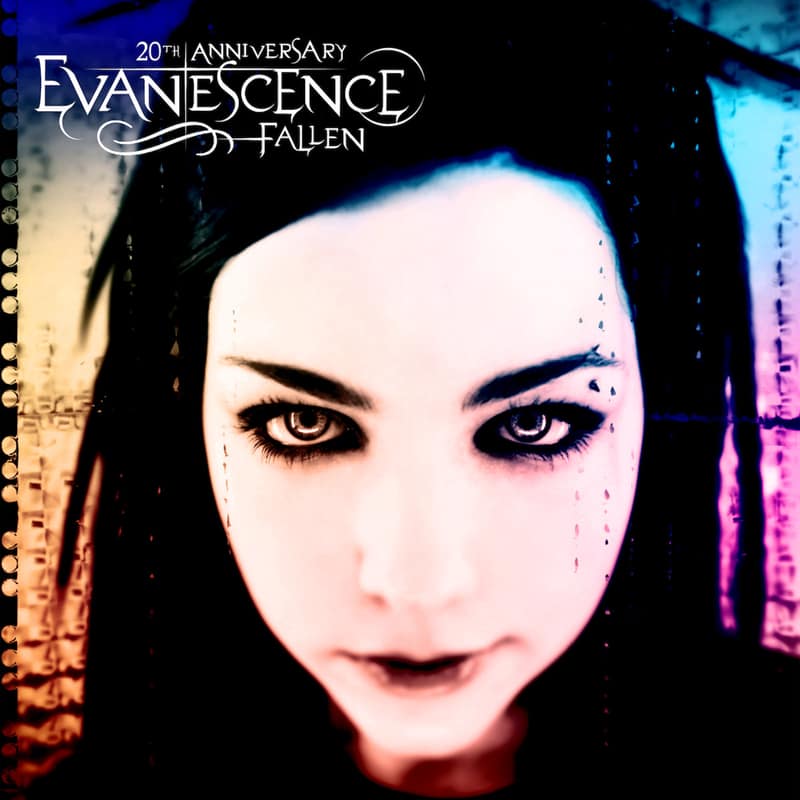
Evanescence's Amy Lee has similarly addressed contemporary news fatigue and the challenge of maintaining hope amid constant negative information cycles. Her perspective reflects metal's therapeutic function for both artists and audiences seeking emotional processing tools during difficult periods.
Nu-Metal Revival and Genre Nostalgia
Korn's live performance of new material at Sick New World festival demonstrates nu-metal's surprising endurance, with veteran acts continuing to attract massive festival audiences decades after their initial breakthrough. This persistence challenges predictions about genre lifespan and audience loyalty in an era of constant musical innovation.
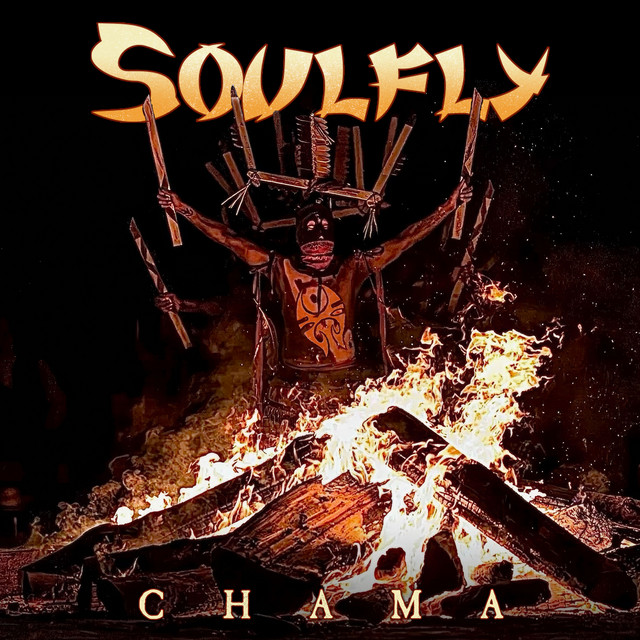
The nu-metal revival intersects with broader nostalgia trends affecting multiple heavy music subgenres, from groove metal's return to prominence to renewed interest in alternative metal experimentation. Acts like Soulfly continue bridging multiple metal traditions, incorporating folk elements and groove-heavy rhythms that influenced the original nu-metal movement.
Cover versions of 90s hits, including recent interpretations of EMF tracks, demonstrate how contemporary metal artists engage with their formative influences. These covers serve educational functions for younger audiences while providing established acts opportunities to showcase technical evolution since their early careers.
Looking Ahead: Metal's Adaptive Future
The current wave of lineup changes, touring announcements, and creative collaborations suggests a metal scene increasingly comfortable with fluid boundaries and evolving partnerships. Rather than viewing change as disruption, many acts now embrace transformation as essential for long-term sustainability.
This adaptability proves particularly crucial for metal bands touring 2026, where economic pressures and changing audience expectations require strategic flexibility. The most successful acts combine respect for their foundational sound with willingness to explore new creative territories, whether through different lineups, unexpected collaborations, or innovative live presentation approaches.
The global metal scene's diversity continues expanding through these developments, offering audiences unprecedented variety in both established acts and emerging voices. This evolution ensures heavy music's continued relevance across multiple generations while maintaining the authenticity and intensity that defines its core appeal. As veteran bands navigate significant changes and new acts establish their identities, the metal community's strength lies in its ability to honor tradition while embracing necessary evolution.