Cross-Genre Collaborations and Vocalist Shake-Ups Define Metal's Creative Renaissance
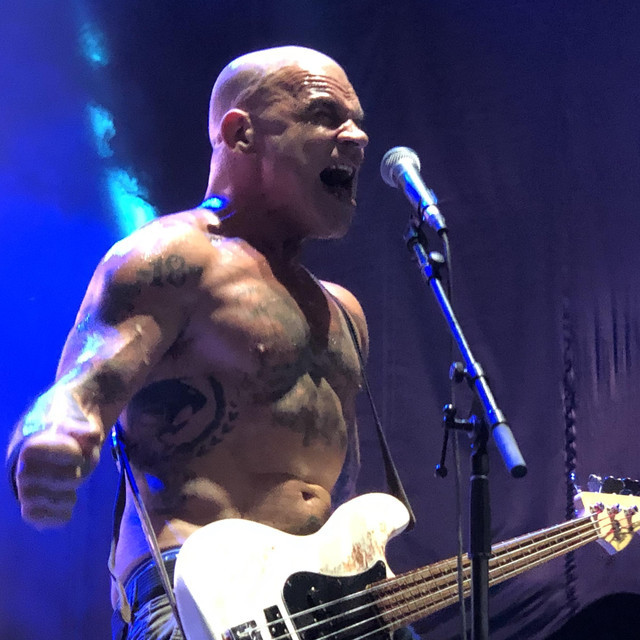
The metal scene is experiencing a fascinating period of artistic cross-pollination and personnel shifts that's reshaping how bands approach both songwriting and live performance. From unexpected collaborative partnerships to strategic lineup changes, the current landscape demonstrates the genre's evolution beyond traditional boundaries.
Unlikely Alliances Forge New Sounds
The partnership between Black Veil Brides and Machine Head's Robb Flynn on "Revenger" represents more than just a one-off collaboration—it signals a broader trend of bands seeking creative inspiration outside their established circles. This theatrical rock meets groove metal fusion exemplifies how modern metal acts are increasingly willing to experiment with genre-blending approaches.
Such cross-pollination isn't entirely new to metal, but the frequency and boldness of these partnerships has intensified. Where once bands might have stuck rigidly to their stylistic lanes, today's metal scene rewards innovation and unexpected combinations. The success of these collaborations often hinges on finding common ground between seemingly disparate approaches to heavy music.
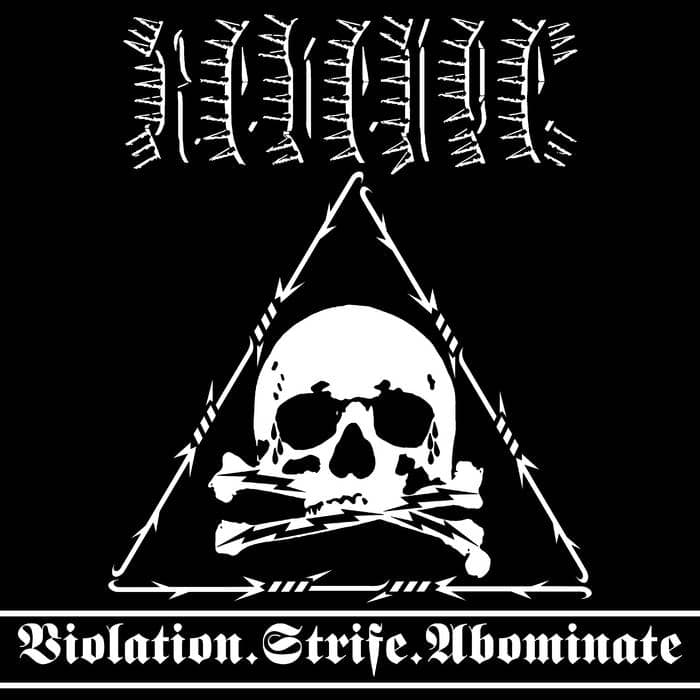
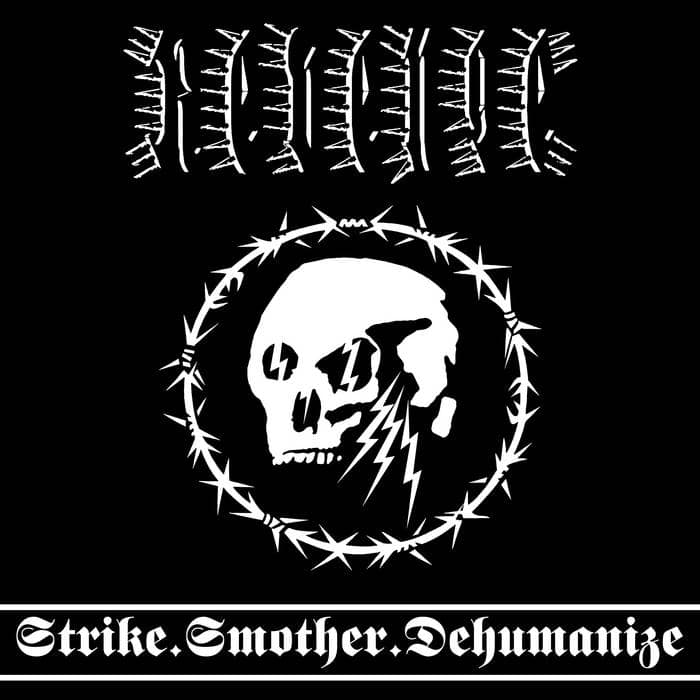
For newer acts like Brazilian power metal band Revenge, these high-profile collaborations provide a roadmap for how established acts can reinvent themselves while maintaining their core identity. The willingness of veteran musicians to step outside their comfort zones sends a powerful message to emerging bands about the value of creative risk-taking.
Vocal Transitions and Band Evolution
The underground death metal scene is witnessing its own personnel shifts, with Internal Bleeding welcoming Theo Vlahos as their new vocalist. Vlahos brings experience from both Vomit Forth and Weeping, representing the kind of cross-band pollination that keeps the extreme metal underground vibrant and interconnected.
These vocalist changes often serve as creative catalysts, forcing bands to reevaluate their approach and potentially explore new musical territories. For bands operating in the brutal death metal and grindcore spheres, where technical precision and vocal extremity are paramount, the right vocalist can completely transform a band's impact and reach.
The interconnected nature of the extreme metal scene means that musicians like Vlahos often bring influences and techniques from their previous projects, creating an organic evolution of sound that benefits the entire subgenre. This constant circulation of talent helps prevent stagnation and ensures that even long-established bands can find new directions.
Festival Culture Drives Scene Development
The addition of GWAR and X-Cops to the 2026 Endless Fires Festival lineup demonstrates how festival culture continues to shape band touring strategies and fan engagement. These festival announcements create momentum that ripples throughout the metal community, influencing everything from band booking decisions to fan travel plans.
Modern festivals serve multiple functions beyond simple entertainment—they act as networking hubs for musicians, showcases for emerging talent, and cultural touchstones that help define regional metal scenes. The strategic placement of established acts like GWAR alongside newer or more experimental artists creates opportunities for cross-audience exposure that benefits the entire metal ecosystem.
For bands across all subgenres, festival appearances represent crucial opportunities to reach new audiences and establish credibility within the broader metal community. The festival circuit has become increasingly important for band development, often serving as stepping stones between local scenes and national recognition.
Hardcore Punk Maintains Its Edge
The release of New York hardcore legends Cro-Mags' new single "Wired For Chaos" reinforces the enduring vitality of the NYHC scene. As pioneers of the crossover thrash movement, Cro-Mags continue to demonstrate how hardcore punk's aggressive energy and social consciousness remain relevant to contemporary metal audiences.
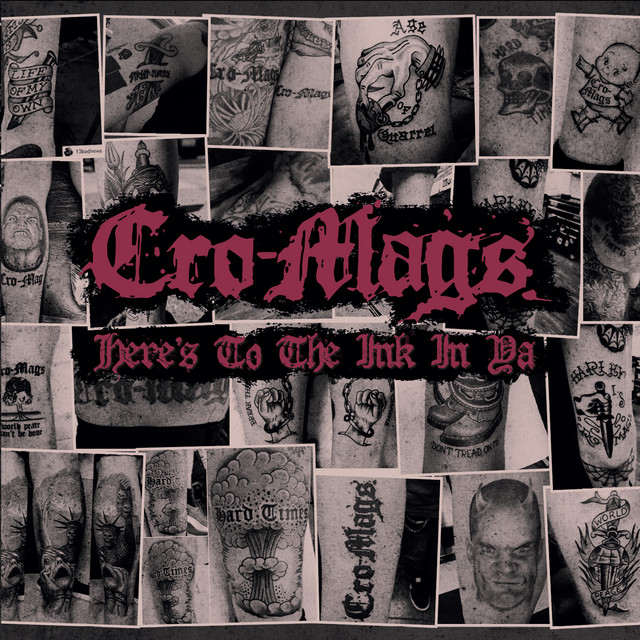
The ongoing activity of NYHC veterans provides inspiration for younger bands working within the hardcore and crossover thrash genres. Their continued output proves that longevity in heavy music isn't just about nostalgia—it requires ongoing creative evolution and genuine connection to the music's core values.
This persistence also highlights how certain regional scenes develop their own distinct identities that transcend individual bands or eras. The New York hardcore tradition continues to influence bands worldwide, providing a template for combining musical aggression with social and political awareness.
Tour Economics and Market Realities
The challenges facing veteran rock acts in today's touring market were highlighted by Sammy Hagar's admission that his 2026 UK tour dates required revision due to lower-than-expected ticket sales. This honest acknowledgment of market realities reflects broader changes in how fans consume live music and allocate their entertainment spending.
These economic pressures affect bands at all levels, from international headliners to local acts trying to build their audiences. The increasing costs of touring, combined with competition from numerous entertainment options, force bands to be more strategic about their live performance approach and more realistic about their drawing power in different markets.
For emerging bands, understanding these market dynamics becomes crucial for sustainable career development. The willingness of established artists to discuss these challenges openly helps newer acts develop more realistic expectations and better business strategies.
Scene Interconnectedness and Future Directions
The current state of the metal scene reflects a healthy balance between respect for tradition and openness to innovation. Whether through unexpected collaborations, strategic lineup changes, or honest discussions about industry challenges, today's metal community demonstrates remarkable adaptability and resilience.
This interconnectedness extends beyond geographical boundaries, creating a truly global metal community where influences flow freely between regions and subgenres. For fans and musicians alike, this represents an unprecedented opportunity to discover new sounds and forge meaningful connections across traditional dividing lines.
As the metal scene continues to evolve, the examples set by both veteran acts and emerging bands will shape the genre's future direction. The willingness to embrace change while maintaining core values suggests that metal's creative renaissance is far from over, promising exciting developments for bands and fans worldwide.