Mythological Metal Rises as Live Nation Drops Budget Barriers and Tony Iommi Receives Royal Honor
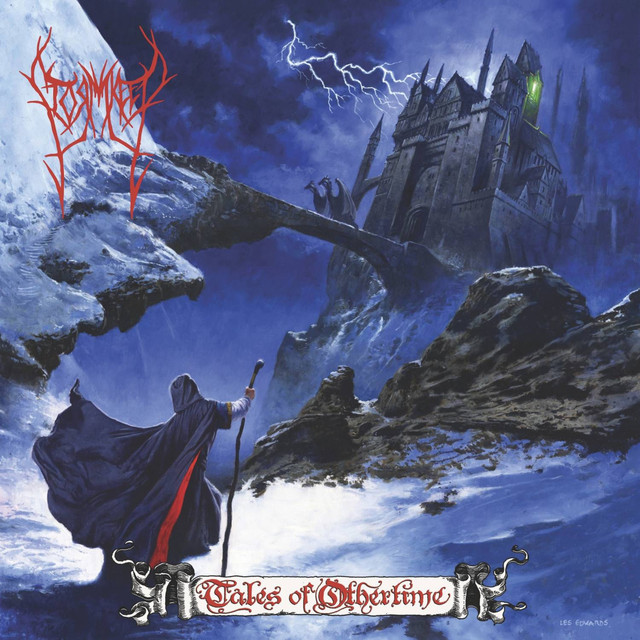
The global metal scene witnesses a fascinating convergence this week as fantasy-driven extreme metal gains momentum, accessibility barriers crumble, and legendary figures receive long-overdue recognition. From Stormkeep's elaborate mythological universe to Live Nation's unprecedented $30 ticket initiative, the heavy music landscape demonstrates both artistic ambition and industry evolution.
Fantasy Metal Ascendant: Mythology Meets Extremity
Stormkeep emerges at the forefront of a growing movement where extreme metal bands construct elaborate fictional universes around their music. Their latest visual offering for "The Black Dragons Of Iswylm" represents more than just a music video—it's world-building on par with fantasy literature, complete with detailed mythological backstories and interconnected narratives spanning multiple releases.
This approach reflects a broader trend within the global metal scene where bands increasingly embrace storytelling complexity traditionally reserved for concept albums or progressive rock epics. The mythological metal movement draws parallels to the atmospheric work of Chilean post-black metal innovators Agalariept, who similarly weave elaborate narratives through their extreme metal compositions.
The appeal extends beyond mere escapism. In an era of political uncertainty and social fragmentation, these fantastical narratives provide both artists and audiences with alternative frameworks for processing complex emotions and experiences. Bands like folk metal storytellers Merkfolk have long understood this dynamic, using mythological themes to explore contemporary issues through metaphorical distance.
Industry Disruption: The $30 Revolution
Live Nation's announcement of $30 tickets for major acts including Iron Maiden and Rob Zombie represents a seismic shift in concert economics. This pricing strategy directly addresses fan complaints about escalating ticket costs that have priced out significant portions of metal's traditional working-class audience.
The implications extend far beyond individual show accessibility. For decades, touring has become increasingly crucial for band revenue as streaming royalties remain minimal. High ticket prices created a feedback loop where only established acts could afford major venue tours, while emerging bands struggled to build audiences through live performance.
This democratization of concert access could particularly benefit new metal bands 2026 as festival lineups and package tours become more financially viable for younger audiences. The ripple effects may transform how bands approach tour planning and venue selection, potentially revitalizing mid-sized venue circuits that have struggled in recent years.
Royal Recognition for Metal's Architect
Tony Iommi's appointment as Member of the Order of the British Empire acknowledges not just personal achievement but metal's cultural legitimacy. The guitarist's innovative approach to heavy riffing following his industrial accident created the sonic foundation for countless subgenres, from doom to death metal.
This recognition arrives as metal approaches its sixth decade, with influences now permeating mainstream culture in ways unimaginable during Black Sabbath's early years. The honor validates metal's artistic merit while highlighting its charitable contributions—Iommi's extensive work supporting various causes demonstrates the genre's community engagement beyond its rebellious image.
The timing proves particularly significant as many 80s metal bands face questions about legacy and cultural impact. Official recognition suggests institutional acceptance of metal's artistic and social value, potentially opening doors for greater cultural support and academic study.
Live Performance Evolution: From Rarities to Covers
Recent live developments showcase metal's continued emphasis on concert experiences as unique artistic statements. Korn's debut of "Reward The Scars" at Sick New World, combined with deep cuts from their catalog, demonstrates how established acts balance new material promotion with fan service.
Evanescence's world tour launch with multiple live debuts, including rarely performed tracks like "Like You," reflects growing fan demand for comprehensive retrospectives rather than greatest hits packages. The inclusion of Spiritbox and Nova Twins members as special guests illustrates metal's collaborative spirit across generational and stylistic boundaries.
My Chemical Romance's official release of their Pulp cover "Common People" represents another trend—bands mining their live archives for streaming content. This practice transforms concert-exclusive moments into permanent catalog additions, blurring lines between live and studio experiences.
Regional Scene Implications
These developments resonate throughout metal's global ecosystem. Budget-conscious touring models could particularly benefit regions where high ticket prices previously limited major act appearances. Emerging scenes in developing markets may finally access headlining acts previously restricted to premium pricing tiers.
The mythological metal trend also provides templates for regional bands seeking distinctive identities. Local folklore and cultural narratives offer rich source material for bands looking to differentiate themselves within increasingly saturated extreme metal markets. Folk metal pioneers Crowen exemplify this approach, drawing from regional cultural traditions to create uniquely positioned extreme metal.
Community Dynamics and Industry Response
Five Finger Death Punch bassist Chris Kael's response to community incidents highlights metal's ongoing struggles with toxicity and inclusivity. His "outrage" at community mistreatment suggests growing awareness among established acts about their responsibility to foster positive environments.
This accountability trend reflects metal's maturation as both artistic movement and business ecosystem. Best metal bands increasingly recognize their influence extends beyond musical output to cultural leadership and community building.
Sepultura's farewell tour planning, with potential appearances by former members, demonstrates how bands navigate legacy management while maintaining artistic integrity. These decisions influence how entire careers are remembered and contextualized within metal history.
Looking Forward: Innovation and Accessibility
The confluence of these developments suggests 2026 may mark a pivotal moment for metal's evolution. Reduced barriers to live music access, combined with increasing artistic ambition in areas like mythological storytelling, creates conditions for significant scene growth and diversification.
Metal bands touring 2026 operate within dramatically different parameters than their predecessors, with pricing strategies, visual presentation standards, and audience expectations all evolving rapidly. The challenge lies in maintaining metal's authentic core while embracing necessary adaptations for contemporary relevance.
As institutional recognition grows and accessibility barriers fall, metal's next chapter promises both unprecedented reach and artistic sophistication. The genre's ability to simultaneously honor its roots through figures like Iommi while embracing innovation through acts like Stormkeep positions it for continued cultural significance in an rapidly changing musical landscape.