Accountability Crisis Rocks Metal Scene as Controversies Overshadow Musical Innovation
The global metal scene finds itself grappling with a mounting accountability crisis this month, as sexual assault allegations against festival organizers and inflammatory statements from established artists threaten to overshadow genuine musical developments. From stage fires to contentious social commentary, the heavy music community confronts uncomfortable questions about leadership, responsibility, and the values that define modern metal culture.
Festival Industry Under Scrutiny
The latest blow to festival integrity came with sexual assault accusations leveled against the founder of Slam Dunk Festival, forcing their immediate resignation from the organization. This development adds to a growing list of festival-related controversies that have plagued the industry over recent years, highlighting systemic issues within event management structures across the global metal scene.
The timing proves particularly damaging given the festival season's critical importance to emerging bands and established acts alike. Independent promoters and smaller festivals now face increased pressure to demonstrate transparent leadership practices, while audiences become more selective about which events receive their support and financial investment.
Safety concerns extend beyond administrative misconduct to physical hazards, as evidenced by a stage curtain catching fire during Evanescence's performance in Tampa. While quick-thinking stagehands prevented serious injury, the incident underscores the complex safety challenges facing live music production in an era of increasingly elaborate stage designs and pyrotechnics.
Inflammatory Commentary Divides Community
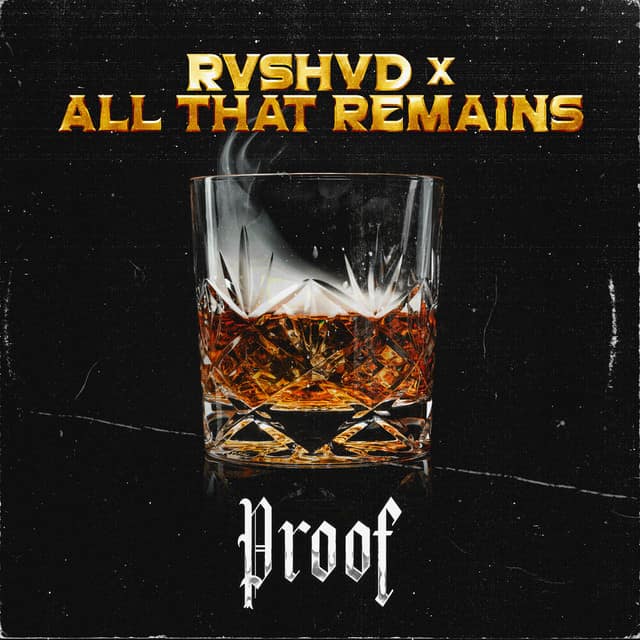
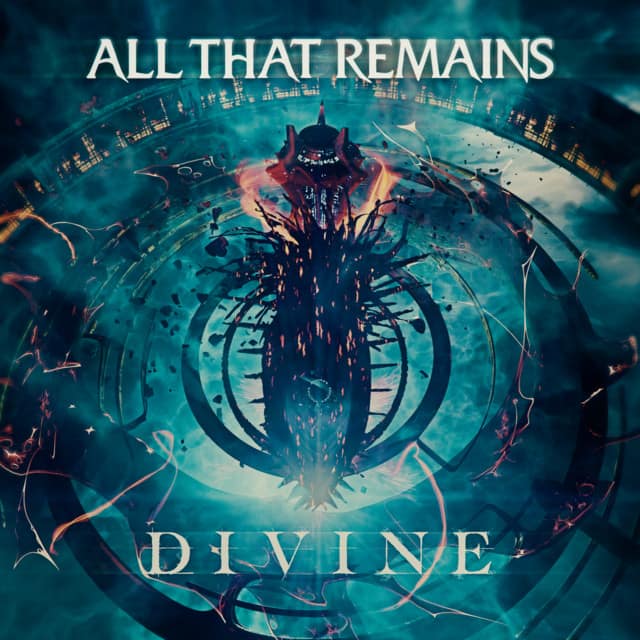
Perhaps more divisive than safety concerns are the recent comments from All That Remains vocalist Phil Labonte regarding mental health treatment, specifically his assertion that "therapy is for women" and that men should not address problems through conversation. These statements, emerging from discussions about his recent memoir, have sparked fierce debate within metal communities worldwide.
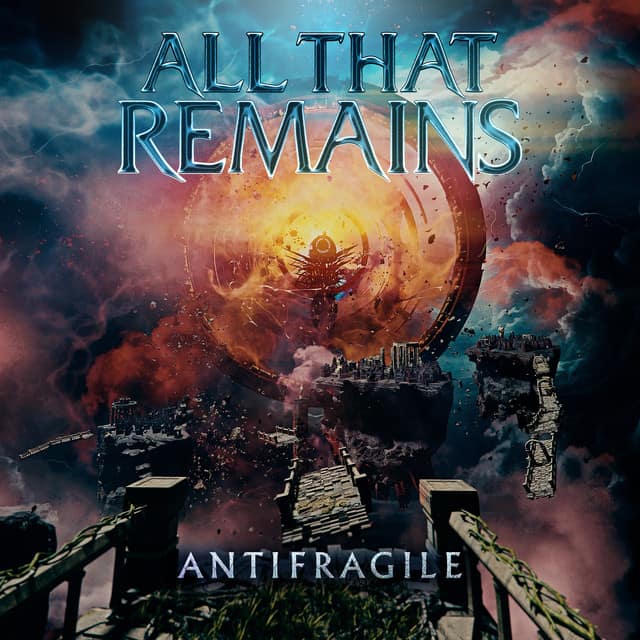
The controversy extends beyond individual opinion into broader questions about masculinity representation within heavy music culture. Massachusetts metalcore band All That Remains has long occupied a prominent position in American heavy music, making Labonte's platform particularly influential among younger fans seeking guidance on mental health approaches.
Mental health advocacy groups have responded with criticism, arguing that such statements perpetuate harmful stereotypes that prevent men from seeking necessary psychological support. The incident highlights growing tensions between traditional metal culture values and evolving understanding of mental wellness practices.
Community Response and Positive Messaging
In contrast to divisive rhetoric, some artists have chosen to emphasize inclusivity and community building. The OBGMs recently addressed fan behavior concerns with explicitly welcoming messages, stating "Black, Brown, White... Show Up As You Are. We Welcome You." This response came amid broader discussions about fan conduct and safety at hardcore and metal shows.
Such positive messaging represents an important counterbalance to controversies plaguing the scene. As festivals face leadership crises and established artists make questionable statements, younger bands and emerging voices increasingly position themselves as champions of inclusive heavy music communities.
The emphasis on welcoming diverse audiences reflects broader demographic shifts within metal culture, where traditional gatekeeping attitudes increasingly clash with expanding listener bases that span racial, gender, and cultural boundaries previously underrepresented in heavy music spaces.
Musical Innovation Continues Despite Turmoil
While controversies dominate headlines, genuine musical developments continue across the global metal scene. Bring Me The Horizon's re-recording of their debut album "Count Your Blessings" demonstrates how established bands revisit early material with evolved perspectives and improved production techniques.
The British band's approach to reimagining foundational works reflects broader trends in metal retrospective projects, where artists leverage current technical capabilities to enhance songs originally recorded under budget or time constraints. This practice allows longtime fans to experience familiar material through fresh interpretations while introducing newer audiences to historical catalog material.
Meanwhile, Korn's live debut of "Reward The Scars" at Sick New World showcases how veteran acts continue pushing creative boundaries despite decades-long careers. The performance included rarely played catalog material, demonstrating the band's commitment to varying their live presentations rather than relying solely on greatest hits packages.
Industry Personnel Changes and Adaptability
Behind-the-scenes developments reveal the metal industry's remarkable adaptability when facing personnel challenges. Godsmack's recruitment of former Dream Theater drummer Mike Mangini following Wade Murff's departure to Black Veil Brides illustrates how quickly established acts can secure high-caliber replacements through professional networks.
Mangini's transition from progressive metal virtuosity to Godsmack's more straightforward approach demonstrates the versatility expected of contemporary metal musicians. Such crossover appointments become increasingly common as touring schedules intensify and bands require reliable personnel capable of adapting to different musical contexts.
The situation also highlights how drummer availability creates cascading effects throughout the touring circuit, with Murff's move creating opportunities for Mangini while potentially affecting other bands' personnel plans across the broader metal ecosystem.
Legacy Artists Face Health Challenges
Health concerns affecting metal veterans add sobering context to industry controversies and personnel changes. The Wildhearts frontman Ginger's recent cancer diagnosis and three-year prognosis serve as stark reminders of mortality's impact on creative communities built around larger-than-life personalities.
Such developments force fans and industry professionals to confront the finite nature of artistic careers while celebrating ongoing creative output. Ginger's commitment to "living every second in the moment" exemplifies the resilience that has long characterized metal culture's response to adversity.
Anniversary celebrations like Staind's upcoming "Break The Cycle - 25th Anniversary Live" release take on additional poignancy when viewed alongside health struggles affecting scene veterans. These commemorative projects preserve musical legacies while providing financial support for artists facing medical expenses.
Looking Forward Through Crisis
The current crisis period may ultimately strengthen the global metal scene by forcing overdue conversations about leadership, accountability, and community values. While sexual assault allegations and inflammatory statements create immediate damage, they also create opportunities for positive change through reformed practices and elevated standards.
Emerging bands and younger artists increasingly position themselves as champions of inclusive, responsible metal culture that honors the genre's rebellious spirit while rejecting harmful behaviors that have historically been tolerated or ignored. This generational shift suggests potential for meaningful reform despite current turmoil.
The metal community's response to these challenges will likely define its trajectory through the remainder of 2026 and beyond. Whether the scene chooses accountability and growth or retreats into defensive positions will determine its relevance for future generations of heavy music enthusiasts worldwide.