Explore World Metal
Featured Album
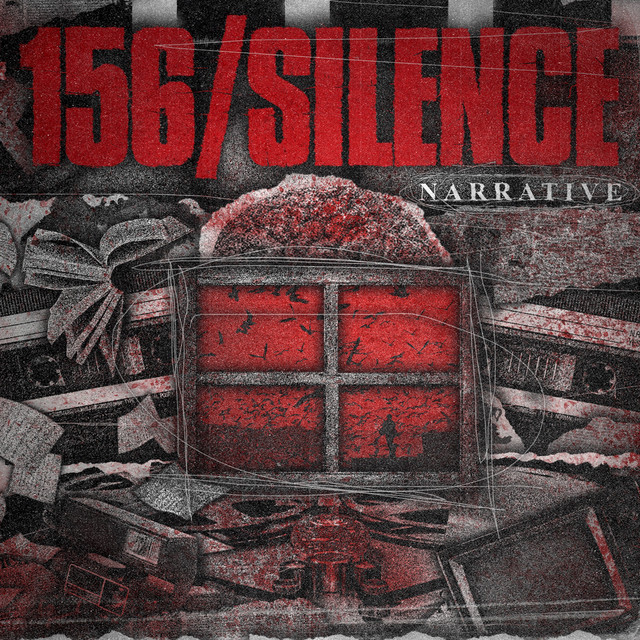
For All To Blame (2022)
Featured Stoner Metal Album
Green Man Rising (Demo) (2017)
Featured Artist with an Upcoming Show
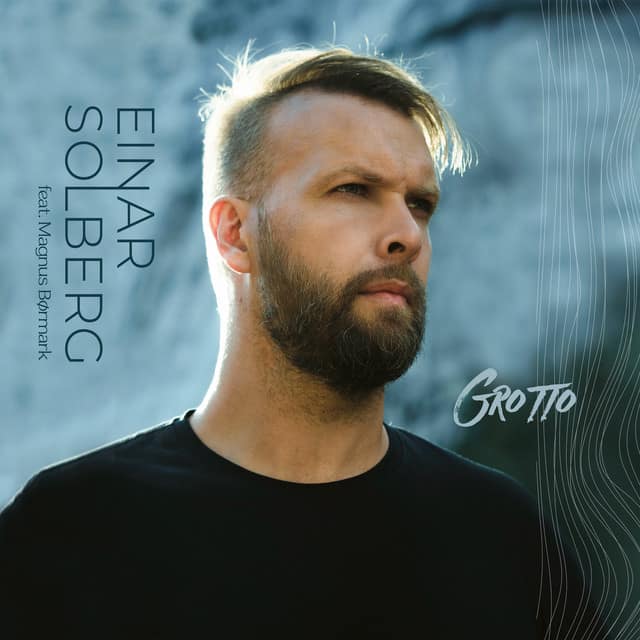
Featured Progressive Metal Album
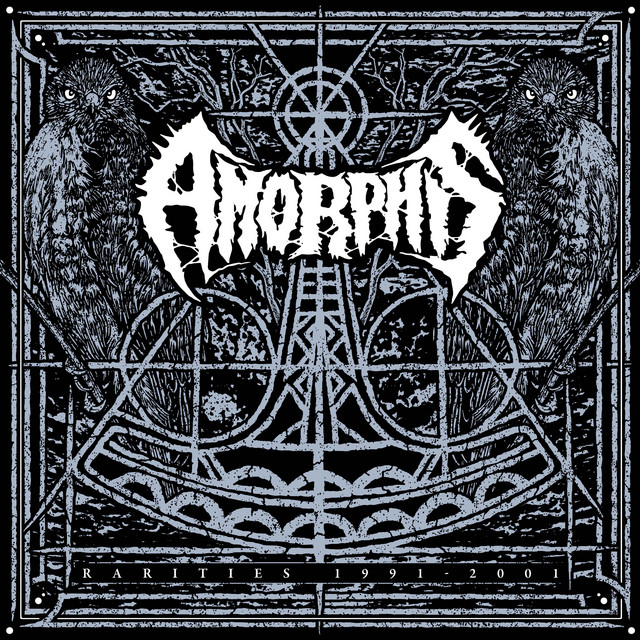
Rarities 1991 - 2001 (2024)
Featured Artist with an Upcoming Show
Browse World Metal Bands
7 bands found
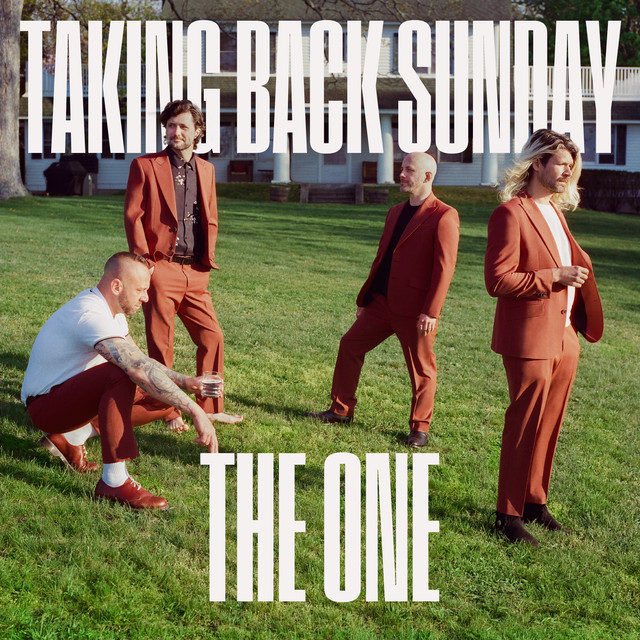
Taking Back Sunday became a defining voice in the overlap between emo, post-hardcore, and pop punk by making conflict sound communal. Tell All Your Friends captured the band's volatile early chemistry: Adam Lazzara's wounded lead vocals, John Nolan's cutting counter-melodies, Eddie Reyes' driving guitar parts, Shaun Cooper's bass movement, and Mark O'Connell's urgent drumming all pushed against one another without losing the song. The result was a style built on overlapping voices, accusatory hooks, jagged rhythms, and lyrics that felt like arguments shouted from opposite sides of the same room. Where You Want to Be and Louder Now gave that approach a broader rock shape, producing songs with cleaner choruses but the same emotional friction. Later lineup changes and reunions shifted the band's tone, yet the core identity remained tied to tension, call-and-response vocals, and guitar-driven release. Taking Back Sunday endure because their best songs do not simply describe heartbreak or betrayal; they dramatize it in the arrangement. Every pause, shouted harmony, and sudden lift feels like another person entering the fight.
The Ataris began in Anderson, Indiana in 1996 as Kris Roe's vehicle for emotionally direct punk rock, eventually becoming one of the more recognizable names in late-1990s and early-2000s pop punk. Anywhere but Here and Blue Skies, Broken Hearts...Next 12 Exits established the early sound: fast tempos, earnest vocals, and lyrics shaped by distance, regret, travel, and romantic memory. End Is Forever kept the melodic punk core intact, while So Long, Astoria gave the band its biggest moment through polished songwriting, "In This Diary," and a widely heard cover of "The Boys of Summer." Welcome the Night later moved into darker, more spacious alternative rock, showing Roe's willingness to stretch beyond scene expectations. The Ataris' music belongs in the punk and emo scope because its emotional language is guitar-driven and immediate, even when the production becomes more expansive. Across many lineup changes, the constant has been Roe's writing voice: nostalgic, wounded, road-worn, and committed to the idea that a loud chorus can preserve a feeling before it disappears completely.
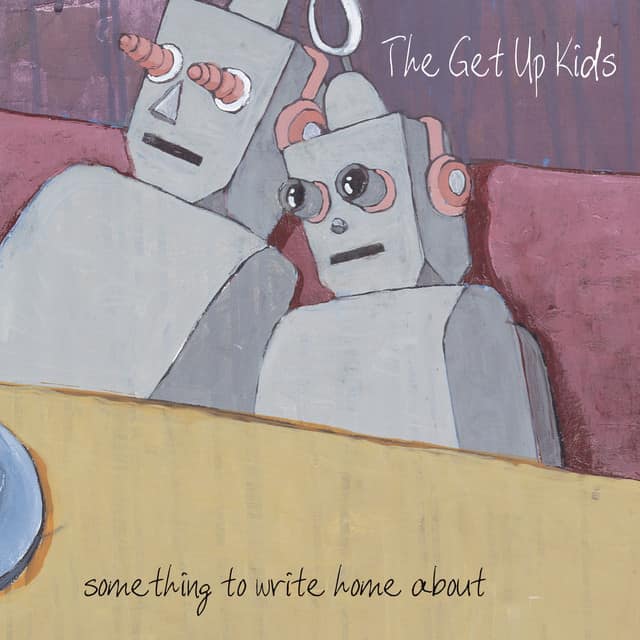
The Get Up Kids formed in Kansas City in 1995 and became one of the central bands in second-wave emo, shaping how later pop punk and indie rock would handle emotional urgency. Four Minute Mile introduced the band's fast, rough-edged melodic style, but Something to Write Home About became the landmark, with Matt Pryor and Jim Suptic's guitars, Rob Pope's bass, Ryan Pope's drums, and James Dewees's keyboards turning heartbreak and ambition into compact, propulsive songs. "Holiday," "Action & Action," "Ten Minutes," and "I'm a Loner Dottie, a Rebel" helped define a vocabulary of ringing guitars, strained vocals, and choruses that sounded like private anxiety made public. Later albums such as On a Wire, Guilt Show, There Are Rules, and Problems pulled the band toward indie rock, power pop, and more restrained textures without erasing the early emotional charge. The Get Up Kids are not heavy, but they are firmly inside the accepted emo and pop-punk scope. Their legacy rests on making vulnerability sound active, tense, and band-driven rather than soft or passive.
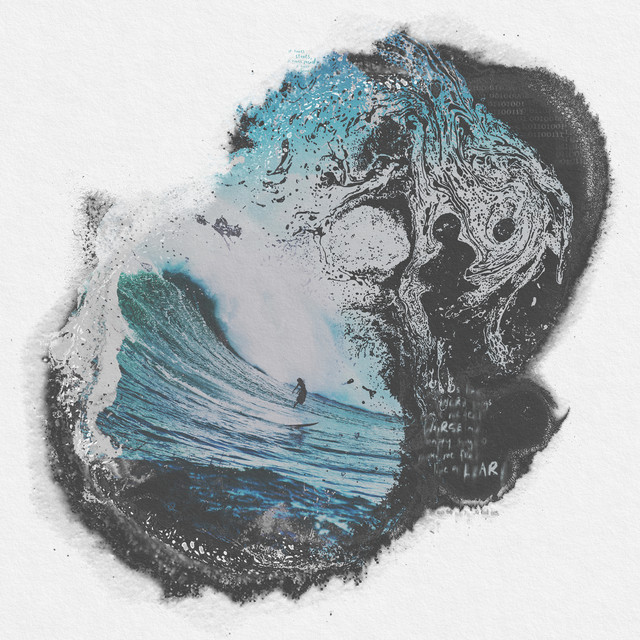
Orem, Utah's The Used were one of the defining bands of the early-2000s post-hardcore and emo explosion, with Bert McCracken's raw, unpredictable vocal delivery and the band's ferocious-yet-catchy songwriting helping to shape the sound of a generation. Their 2002 self-titled debut and 'In Love and Death' produced genre-defining anthems like 'The Taste of Ink' and 'All That I've Got,' songs that soundtracked countless coming-of-age moments. Two decades in, The Used continue to tour and evolve while remaining one of the most beloved and influential bands in post-hardcore history.
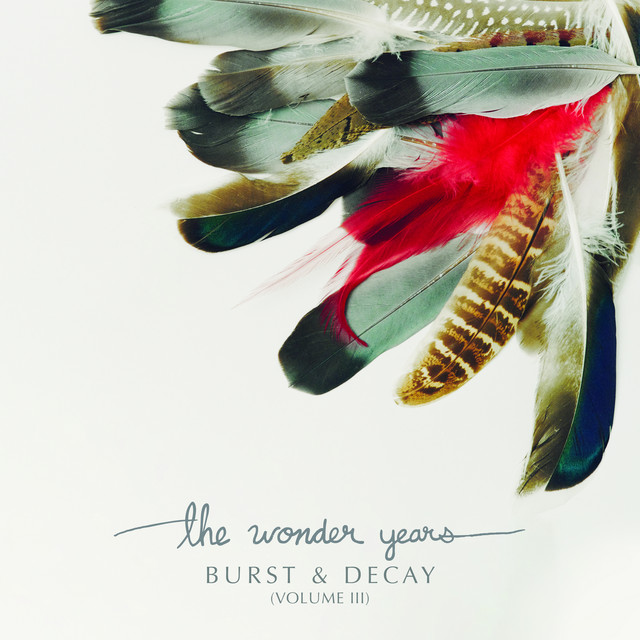
The Wonder Years formed in Lansdale, Pennsylvania in 2005 and became one of the defining pop-punk bands of their generation by making anxiety, grief, and suburban detail feel literary without losing speed. The Upsides and Suburbia I've Given You All and Now I'm Nothing established Dan Campbell's voice as the band's center: self-critical, specific, and built for cathartic shouting. The Greatest Generation completed that early arc with bigger arrangements and a stronger sense of emotional reckoning, while No Closer to Heaven, Sister Cities, and The Hum Goes on Forever widened the band's world into loss, parenthood, travel, and adult dread. Musically, The Wonder Years balance fast punk drums, layered guitars, and huge choruses with enough dynamic control to let quieter details matter. They are not heavy in a metal sense, but they sit firmly in punk and emo scope because the songs are guitar-driven, communal, and physically urgent. The band's importance lies in proving that pop punk could grow older, more articulate, and more wounded without surrendering its velocity outright.
The sprawlingly named The World Is a Beautiful Place & I Am No Longer Afraid to Die became central figures in the 2010s emo revival, weaving post-rock crescendos, indie-rock warmth, and spoken-word passages into richly textured compositions. Their albums 'Whenever, If Ever' and 'Harmlessness' offered a uniquely communal, orchestral take on emo that resonated deeply with fans seeking emotional complexity beyond the genre's stereotypes.
New Brunswick, New Jersey's Thursday were one of the most critically acclaimed and emotionally intense bands of the early-2000s post-hardcore movement, with Geoff Rickly's literary, deeply personal lyrics and the band's atmospheric yet aggressive sound helping to legitimize emo and post-hardcore as serious artistic endeavors. Albums like 'Full Collapse' and 'War All the Time' achieved both commercial success and cultural impact, with tracks like 'Understanding in a Car Crash' becoming anthems of a generation. Thursday's influence on the landscape of emotional, intellectually ambitious heavy music extends far beyond their commercial peak.
Enter the Inferno
View all threads →Frequently asked questions
World Metal Index indexes hundreds of global heavy metal bands across every subgenre — death metal, black metal, thrash metal, doom metal, metalcore, hardcore punk, grindcore, sludge, stoner metal, and more. Browse heavy metal bands by genre, city, or state.
Yes — browse global death metal bands in our index. Filter by genre to find death metal, technical death metal, and melodic death metal bands. We also index black metal, thrash metal, doom metal, and all heavy metal bands.
Use the genre filter to browse global black metal bands. We index black metal, atmospheric black metal, and related subgenres alongside death metal, thrash metal, doom metal, and all heavy metal bands.
Browse our index for global thrash metal bands. Filter by genre to discover thrash metal, crossover thrash, and speed metal bands. Our index covers all heavy metal bands including death metal, black metal, doom, and metalcore.
Yes — we index metalcore bands, doom metal bands, and every heavy metal subgenre. Browse global metalcore, doom metal, sludge metal, stoner metal, progressive metal, power metal, and more.
Yes — browse global hardcore punk bands alongside heavy metal bands. We cover hardcore punk, crust punk, D-beat, grindcore, metalcore, and all heavy music subgenres.
Filter by city and state to find heavy metal bands near you. Each band page includes streaming links, genre tags, and upcoming metal concerts. Discover death metal, black metal, thrash, doom, and all heavy metal bands in your area.
Visit our shows page for global metal concerts — death metal shows, black metal concerts, thrash metal shows, doom concerts, and all heavy metal events. Updated daily with ticket links from Ticketmaster and SeatGeek.
World Metal Index is an index of global heavy metal bands — death metal, black metal, thrash metal, doom metal, metalcore, hardcore punk, and all heavy music. Browse bands by genre, find metal concerts near you, and discover the global metal scene.