Farewell Tours and Future Reunions Define Metal's Paradoxical Approach to Career Endings
The metal scene is currently grappling with a fascinating paradox: while some legendary acts announce final tours, they're simultaneously leaving doors open for future reunions. This complex dance between artistic closure and commercial opportunity reveals how modern metal bands navigate career endings in an era where "farewell" has become increasingly fluid.
Progressive Metal Pioneers Navigate Comeback Expectations
Savatage's recent European and South American performances have reignited speculation about the progressive metal pioneers' long-term plans. The band's return to live performance after years of dormancy has generated significant fan enthusiasm, with audiences demonstrating the enduring power of their theatrical metal approach. However, the uncertainty surrounding potential U.S. dates highlights the logistical complexities facing reunited bands in today's touring landscape.
The progressive metal scene has witnessed numerous successful reunions over the past decade, with veteran acts proving that extended hiatuses can actually enhance rather than diminish fan anticipation. Savatage's cautious approach to announcing future dates reflects a broader trend among reunited bands prioritizing quality over quantity in their comeback strategies.
Sepultura's Strategic Farewell Philosophy
Perhaps no band exemplifies the modern farewell paradox better than Sepultura, whose ongoing "farewell" tour comes with built-in flexibility for potential future performances. This strategic ambiguity allows the Brazilian metal legends to honor their decades-long legacy while maintaining options for special occasions or anniversary celebrations.
The concept of the conditional farewell has become increasingly common among veteran metal acts who recognize that absolute finality often proves commercially and artistically limiting. By framing current tours as farewell journeys while acknowledging that "possibilities are always open," bands can create urgency for current dates while preserving future revenue streams.
Technical Death Metal's European Assault
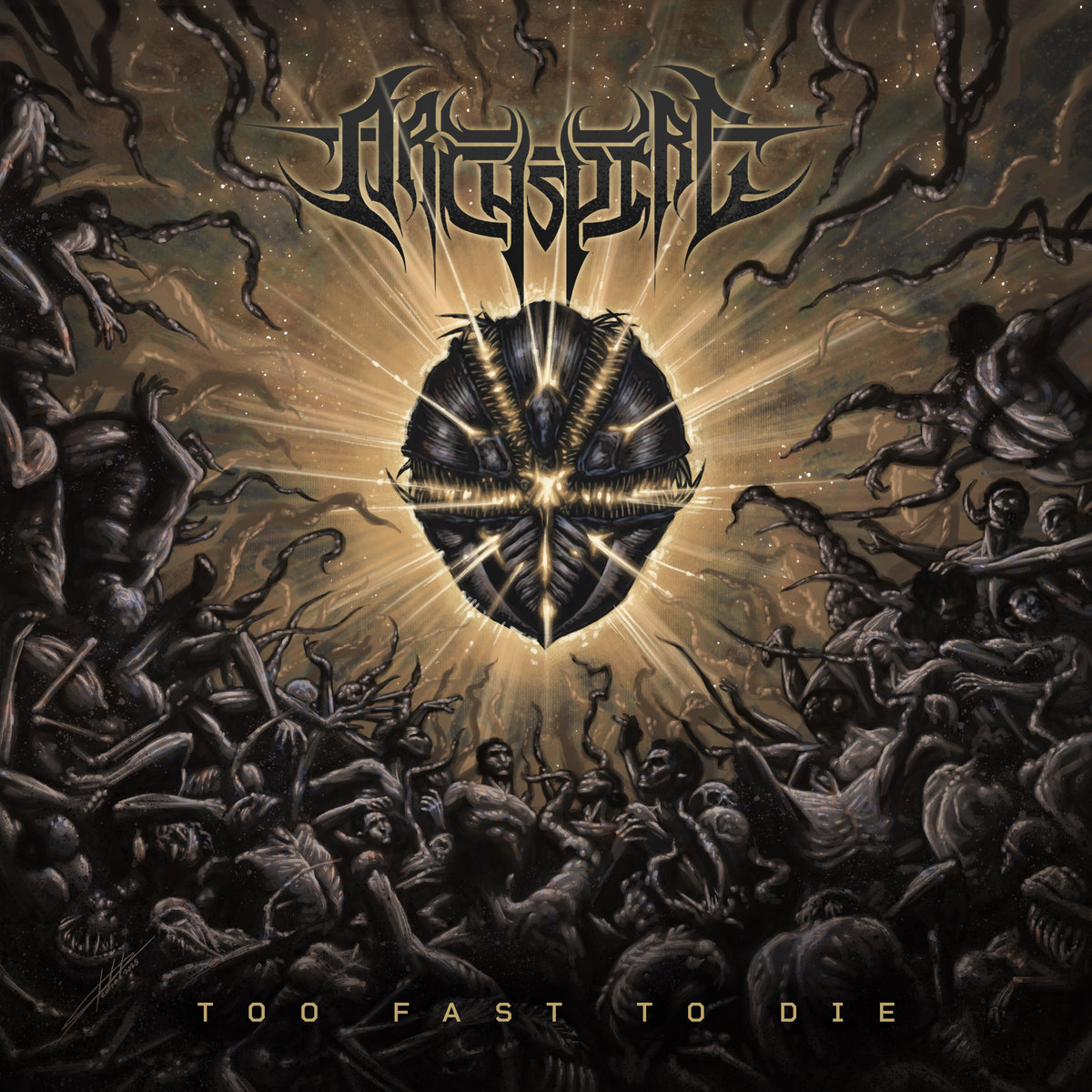
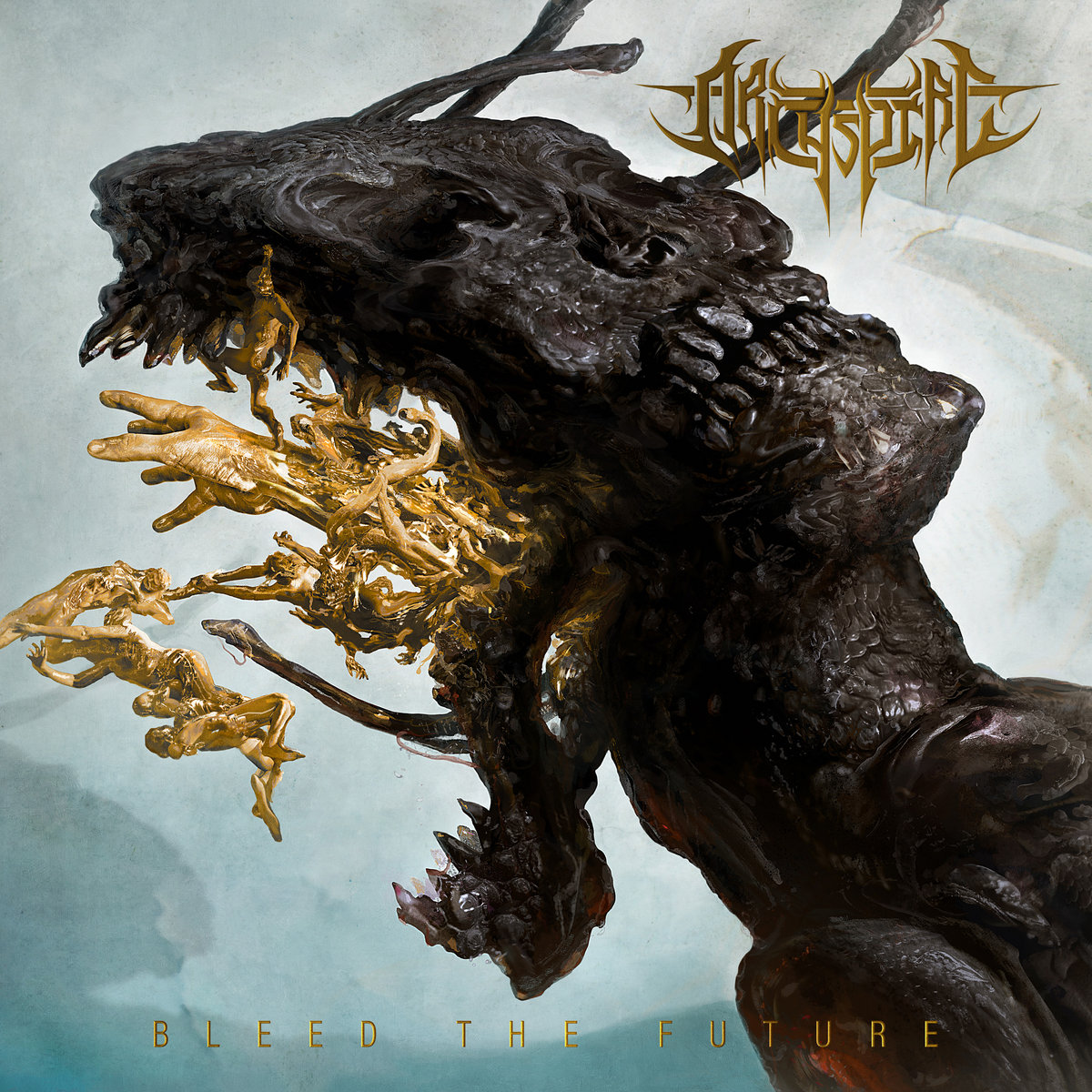
While veteran acts contemplate endings and reunions, the technical death metal scene continues its relentless forward momentum. Archspire has announced an ambitious European tour featuring Crown Magnetar, The Zenith Passage, and Analepsy, demonstrating the genre's international appeal and the continuing demand for technically demanding extreme metal.
This touring package represents the current state of technical death metal's global reach, with Canadian headliners supported by acts that showcase the genre's diversity and evolution. The European tour circuit has become increasingly important for extreme metal acts, offering opportunities to perform for audiences that often demonstrate greater appreciation for technical complexity than traditional metal markets.
Cross-Media Ventures Expand Artistic Horizons
Metal Church guitarist Kurdt Vanderhoof's work composing documentary scores exemplifies how metal musicians are expanding their creative boundaries beyond traditional album cycles. His involvement with the Eddie Fiola BMX documentary represents a growing trend of metal composers bringing their sonic sensibilities to film and television projects.
These cross-media ventures offer metal musicians opportunities to explore different compositional approaches while maintaining their core musical identity. The challenge of adapting metal sensibilities to documentary storytelling requires musicians to balance their established sound with narrative requirements, often resulting in innovative approaches that influence their primary band work.
Symphonic Black Metal's Uncompromising Return
Dimmu Borgir's approach to their upcoming "Grand Serpent Rising" album demonstrates how established extreme metal acts can maintain artistic integrity while acknowledging commercial realities. The Norwegian symphonic black metal veterans' emphasis on creating "great songs without compromising" reflects a mature understanding of balancing artistic vision with fan expectations.
The symphonic black metal genre has evolved significantly since Dimmu Borgir's initial rise to prominence, with newer acts incorporating orchestral elements in ways that both honor and expand upon the foundations established by pioneering bands. The upcoming album represents an opportunity for the veterans to demonstrate continued relevance while influencing the genre's ongoing development.
Resurrection and Final Chapters
Bloodbather's decision to reunite specifically to record a final album illustrates another variation on the farewell theme. By framing their comeback as explicitly terminal, the deathcore act creates a narrative of artistic completion rather than commercial opportunism. This approach allows bands to address unfinished creative business while maintaining the integrity of their original breakup decision.
The "final album" concept has become an important tool for bands seeking to conclude their catalog on their own terms. Rather than letting their discography end with whatever happened to be their last release before hiatus, acts like Bloodbather can craft deliberate artistic statements that serve as proper conclusions to their creative journey.
Streaming Success Validates Metal's Enduring Appeal
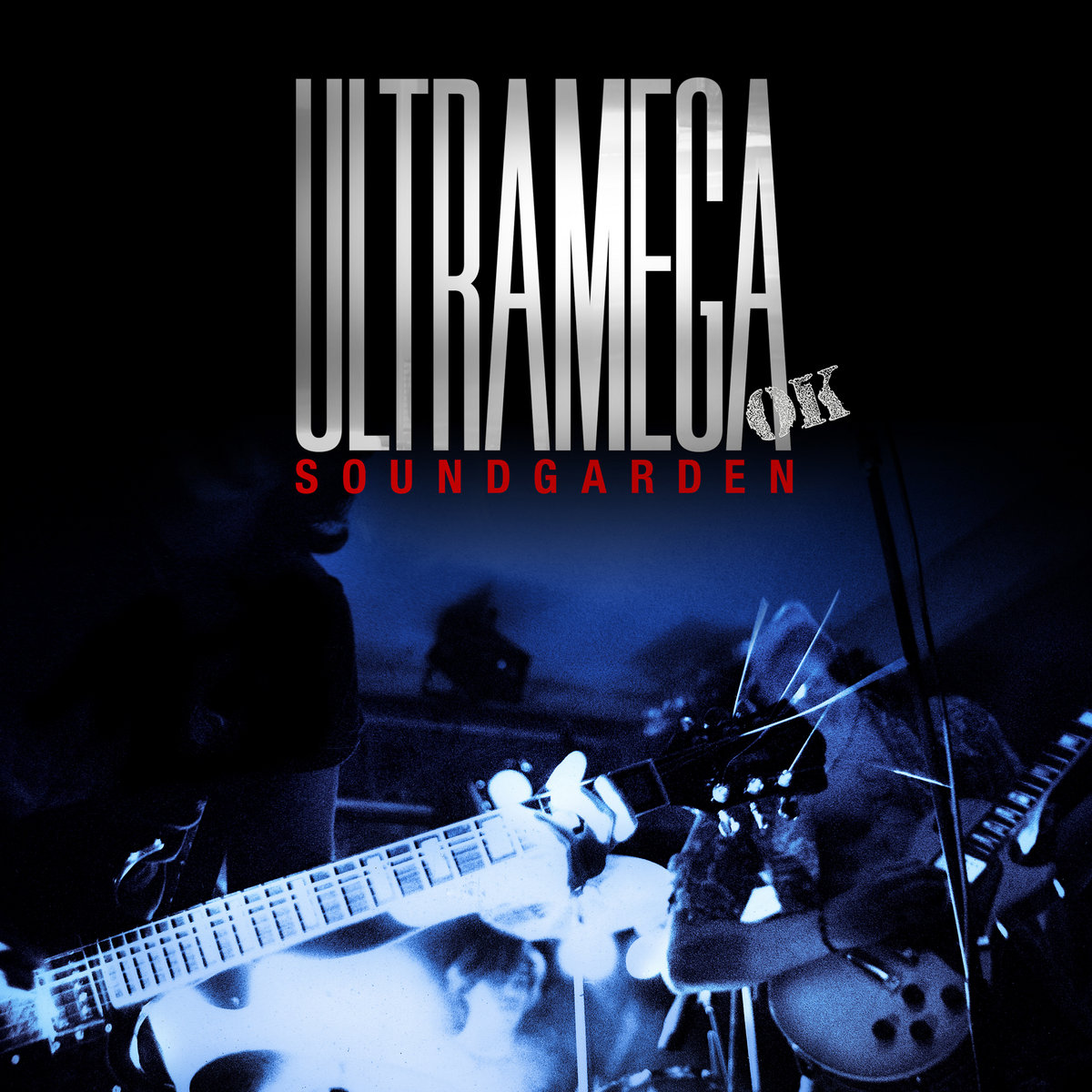
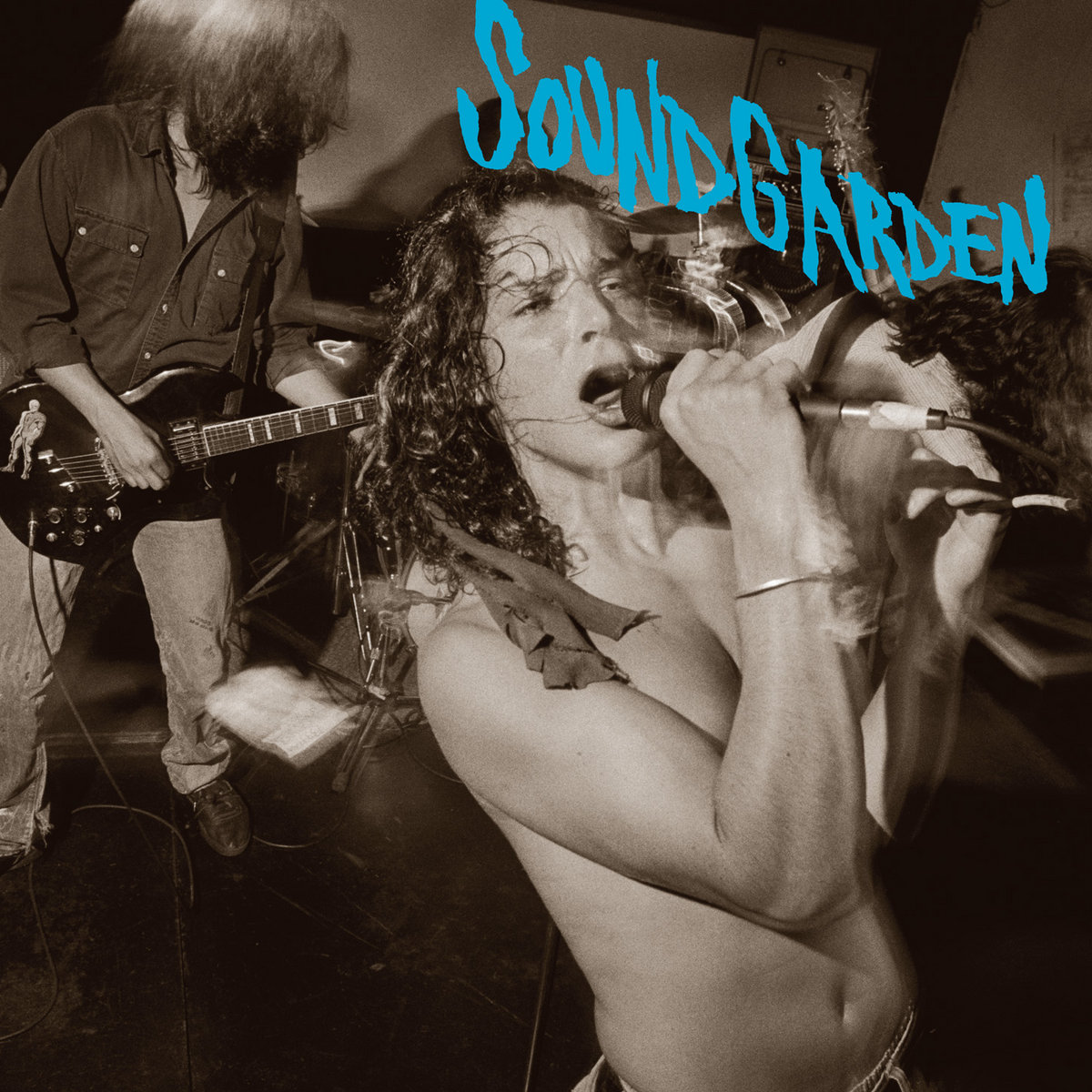
Recent additions to Spotify's billions club, including tracks from System of a Down, Disturbed, and Soundgarden, demonstrate metal's continued commercial viability across different eras and subgenres. These streaming milestones validate the genre's ability to maintain relevance across generational divides while attracting new listeners through digital platforms.
The success of metal tracks in achieving billion-play status reflects the genre's unique position in contemporary music culture. Unlike many genres that experience cyclical popularity, metal maintains consistent engagement across decades-old material, suggesting that the best metal albums of all time continue finding new audiences through streaming discovery mechanisms.
Legacy Acts Navigate Contemporary Challenges
Queensrÿche's ongoing songwriting process for their follow-up to "Digital Noise Alliance" demonstrates how veteran progressive metal acts balance productivity with quality control. The band's approach of accumulating substantial material before committing to final arrangements reflects lessons learned from decades of album production experience.
The challenge facing metal bands touring in 2026 involves balancing fan expectations with practical limitations imposed by an increasingly complex live music industry. Veteran acts must navigate higher production costs, more competitive venue markets, and evolving audience expectations while maintaining the authentic intensity that defines quality metal performance.
Cultural Crossover Moments
Unexpected cultural crossovers, such as professional baseball players receiving recognition from metal bands for using their songs as entrance music, illustrate metal's broad cultural penetration beyond traditional fan demographics. These moments demonstrate how metal's influence extends into mainstream sports and entertainment, creating opportunities for genre exposure to non-traditional audiences.
The intersection between metal music and professional athletics has created interesting promotional opportunities for both musicians and athletes. When sports figures embrace metal as their personal soundtrack, it validates the genre's ability to convey power and intensity across different performance contexts.
As the global metal scene continues evolving, the tension between farewell tours and future possibilities reflects broader changes in how artists manage career longevity. The most successful approaches seem to involve strategic ambiguity that honors past achievements while preserving future opportunities, allowing both artists and fans to navigate the complex emotions surrounding artistic endings and new beginnings.